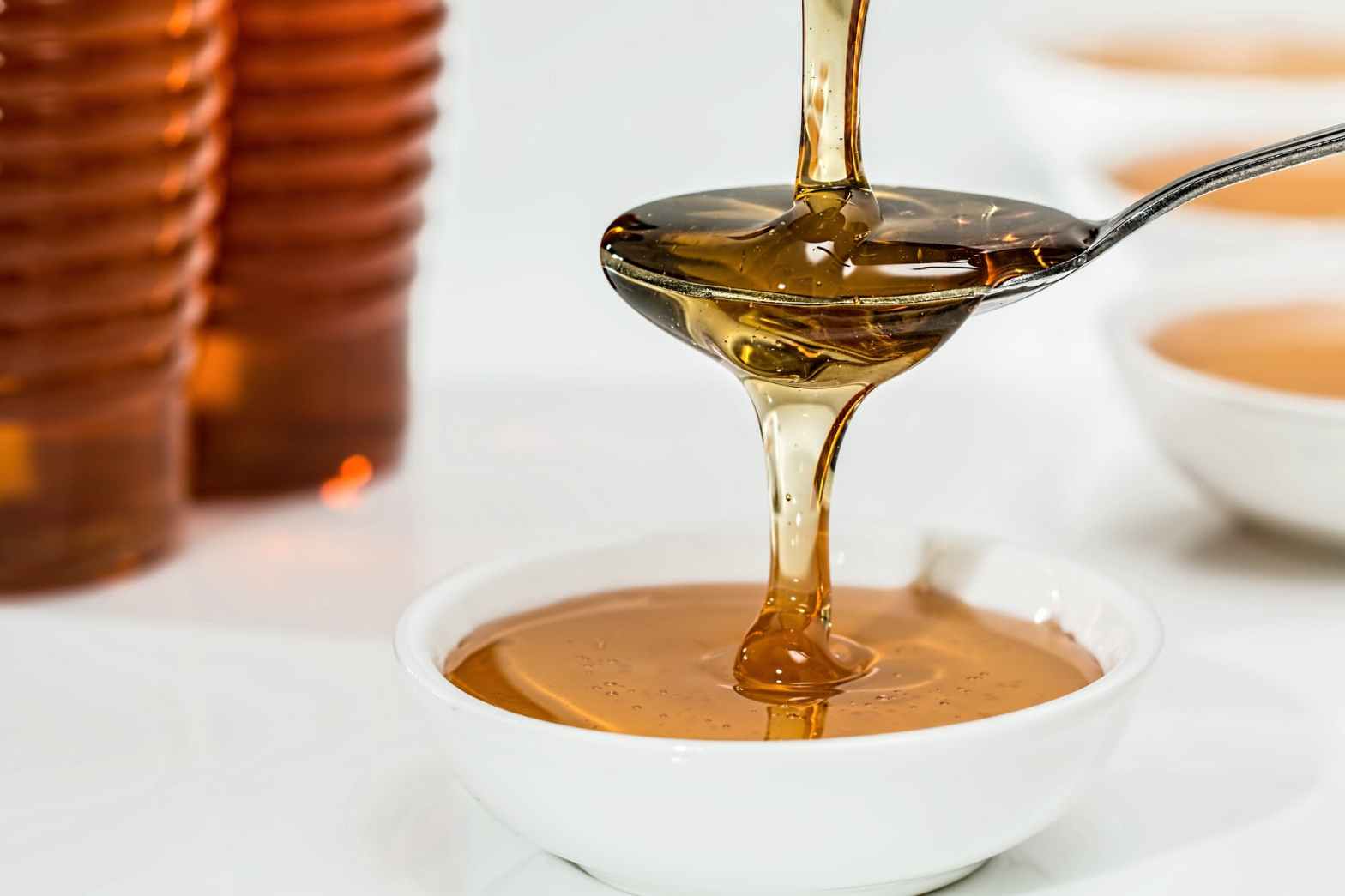

We all tried that melting, gooey delight at least once in our lives. Commonly, we put it in herbal tea, devour it during a bad cough, and use it as a substitution for sugar. However, not only is this humble substance rich in antioxidants and nutrients, but it does wonders for the body, such as lowering the overall risk for ulcer cancer. Honey is not just natural sugar. It is a lifestyle waiting to be chosen.
| Calories: | 64 kcals |
| Total Fat: | 0 grams |
| Cholesterol: | 0 mg |
| Sodium: | 1 mg |
| Potassium: | 11 mg |
| Carbohydrates: | 17 grams |
| Sugars: | 17 grams |
The ingredients of honey are simple: Water and Sugar (fructose and glucose). High-quality honey does not contain any added sugars, syrups, or chemicals.
It contains trace amounts of :
- Amino Acids
- Vitamin B
- Vitamin C
- Enzymes
- Minerals
- Antioxidants
Pros
It is high in antioxidant value:
Many essential antioxidants such as flavonoids, organic acid, and phenolic come from honey. Flavonoids have inflammatory properties, carrying various health benefits. Multiple studies concerning buckwheat honey show that it increased the antioxidant value in the blood. Antioxidants are substances that may prevent free radical damage that enters the body due to pollution, exposure to chemicals, smoking, and radiation. Antioxidants protect the cells in the body from these damages – and antioxidants are also known to prevent certain types of cancers, strokes, and heart attacks. Antioxidant-rich foods, not including honey, are dark chocolate, berries, pecans, kiwi, avocado, beans, kale, goji, spinach, and kale.
The combination of organic acids and phenolic compounds found in honey is what scientists believe gives it its high antioxidant value.
Lowers blood pressure + less risk towards heart diseases:
As honey has antioxidants, these compounds lower the risk of various diseases, including heart-related diseases. Honey helps the arteries in the heart enlarge, increasing blood flow to the heart. Not to mention, honey also helps reduce blood clot formation. Eating a small dosage of honey (daily) lowers a modest amount of blood pressure, overall reducing the high risk of heart attacks, stroke, heart failure, and irregular heartbeat.
Honey also can lower Triglycerides. Elevated blood triglycerides are another risk for heart disease and the main factor for type 2 diabetes. Various studies have concluded that daily intake will decrease triglyceride levels, as 11-19% of the triglyceride were lowered in honey consumption rather than sugar.
Medicine for allergies and coughing:
Coughing fits are not uncommon for children, leaving them with a restless night’s sleep. However, medicines may not always do the trick, as studies found that honey worked better between two popular cough medicines. In addition, a dose of honey gave adults a peaceful night of sleep and reduced the symptoms than regular leading cough medicine.
Penn University Researchers completed a study resulting in the fact that honey is more effective in treating coughs than “counter-top cough medicine.” Honey did a better job overall in preventing the “annoyances” and pain during the night. Honey also gave parents is a better night’s sleep, as the study implies. Billions of dollars a year are spent by consumers on cough medicines, which might not be as effective as local honey.
On the concept of allergies, raw honey contains small amounts of local pollen. Therefore, during pollen season, a daily dose will lower severe allergies symptoms by desensitizing it.
Wound, Burn, and Healing Care:
Honey is an excellent therapeutic choice of healing care due to its antibacterial and germ-killing qualities. Honey, on the other hand, differs from most other antibiotics in that it does not target the bacteria’s cell wall or shut down its internal processes. Honey, thereon, takes moisture from bacteria and dehydrates it.
The majority of medical honeys now on the market are made from New Zealand and Australian honeys, such as Manuka, Gelam, and Tualang honey. These honeys help remove dead tissue and reduce odor in addition to being antibacterial and fluid absorbing. This methylglyoxal compound is cytotoxic (or kills bacteria). It may pass more easily into the skin and bacteria compared to other treatments. Keep in mind that honey as a wound healer is not suitable for everyone, particularly those with severe bee allergies.
Professional healthcare specialists have noted that honey is most effective at treating:
- Boils
- Venous and Diabetic Foot Ulcers
- Burns
- Pilonidal Sinus
- Non-healing Wounds and Ulcers
- Skin Conditions (Psoriasis and Herpes Lesions)
For example, in another study, more than 97% of diabetic ulcer patients who used topical honey were successful in treatment.
Next time at home, when getting a scratch, scar, wound, or cut, raw honey, (which has not been filter by machines), will work more efficiently than a chemically-processed “healing” treatment.
Skin Care
Not only does honey have microbial properties (killing bacteria), but it also contains anti-inflammatory, anti-aging, and treatments for skin cancer. The anti-inflammatory property can help with skin conditions like acne or psoriasis. Moreover, according to one study, honey can improve the skin’s reflection, as its moisturization “prevents infections on the skin (which speeds up aging), stops wrinkles from forming, and keeps the skin appearing youthful.”
Several pieces of evidence suggest that using honey on cancer cells (when having skin cancer) shows positive results, as honey will “slow the growth and reproduction” of cancer cells in the body. Furthermore, The Skin Care Resource Center confines in honey as an effective natural sunscreen, preventing premature wrinkling, which decreases skin cancer risks.
Honey moisturizes skin and can be a part of any skin type’s daily routine. Honey properties are described as a humectant (which is a substance that attracts moisture and prevents it from leaving), keeping it “locked.” Oily skin types can also use honey, as it keeps the moisture within and will not dry the skin out afterward. Next time, use a honey masked-related facial, as they prove to be helpful to dry areas of the skin.
Check out my other blog post for honey facial mask ideas + how you can use honey!
When to use (according to Medical News Today):
- part of daily washing of the face
- help with eczema
- moisturizing effects
- help with healing minor cuts or abrasions
- help skin look more youthful
Note: Please consult with a healthcare physician before approving these remedies for you as an effective treatment.
Cons
Although honey is a better alternative to sugar and syrups, there are few downsides.
- It is still high in calories
One tablespoon of honey is 64 calories, while one tablespoon of sugar is 46 calories. However, honey contains Vitamin C, antioxidants, magnesium, and potassium, while sugar does not contain any nutritional value at all. Moreover, sugar contains fewer sweeteners than honey. Therefore, to have the same level of sweetness as honey, you would just be consuming more calories of sugar.
2. It may elevate blood sugar levels
Eating a high excess amount of honey a day can cause elevated blood levels as sugar would, also contributing to weight gain, some studies and experts argue. However, studies have also proven that honey has anti-diabetic properties, and it also contributes to weight loss when taking it with warm water or lemon juice (“losing those extra calories”).
Turkish researchers discovered that eating 5-25 grams of honey daily for four months lowered hemoglobin A1c (HbA1c), a marker of blood sugar management in recent months, in patients with type 2 diabetes. Those that consumed more honey each day, on the other hand, saw their A1c level climb. It’s also difficult to say if the findings apply more generally because the study only included 64 participants, half of whom received daily honey dosages.
Another study discovered that daily use of honey raised A1c levels. The participants in this trial were 48 patients with type 2 diabetes, half of whom received an 8-week honey treatment. Since studies on honey and diabetes yielded inconsistent findings at best and only involved small groups of patients, further study is needed to determine what, if any, dosage of honey is healthiest for diabetics. Please research further to be aware.
| Fructose | Glucose | Sucrose |
| Usually stored most as fat than glucose | Used as quick energy or stored as fat | Disaccharide: half glucose + half fructose |
3. Honey may contain natural toxins
Raw, unpasteurized honey, when not sterilized, may contain spores of the bacteria Clostridium botulinum. Symptoms depending on your immune system may range from mild allergies to nausea, poisoning, and vomiting. Contact a doctor immediately if you have any of the sides effects. Nevertheless, always make sure when buying honey that it is certified and safe accordingly.
Conclusion:
Honey is a combination of water, glucose, and fructose. It has more calories than sugar. Lest, it contains natural sweeteners, vitamins, antioxidants, and anti-inflammatory properties. Bees add a particular digestive enzyme within the components during the liquid-making process, making it easier for human digestion than sugar (having no particular enzyme to aid digestion). Sugar is just crystallized sucrose, containing a different texture, flavor, energy, and sweetening source. Sugar, being harmful in overuse, is the prime factor for obesity today.
However, choose whatever is intuitively pleasing to your body’s needs and wants. Make the impact. Start the lifestyle.