
Fall is finally amongst us- and it’s one of the most important seasons to get our colonies prepared.
The goal of autumn management is to ensure that your colonies stay healthy over the winter so that they can quickly rebuild in the spring. Your colonies must be disease-free, well-fed, and led by a strong and productive queen to stay healthy. Beekeepers can do a variety of things during the fall seasons such as fall feeding, mite checking, and honey harvesting.
As the seasons shift from fall to winter, the beekeeper’s responsibility is to ensure that their bees are fed, warm, and safe from the elements, including the wind and cold, as well as any predators that could harm or even harm the colony.
Fall hive management focuses on preparing for winter:
- Replace queens and unite colonies, if necessary.
- Remove surplus honey.
- Check varroa levels and treat if needed.
- Remediate other infestations and diseases accordingly.
- Reduce hive sizes to accommodate the cluster and its stores.
- Winterize for your area’s climate.
Fall Feeding:
Fall syrup is a thick 2:1 (2 parts sugar and 1 part water) mixture of sugar and water. Before the syrup can be capped, the bees must minimize the amount of water in it.
The method of making thick syrup needs less work from the bees. Always keep an eye out for robbing if you feed.
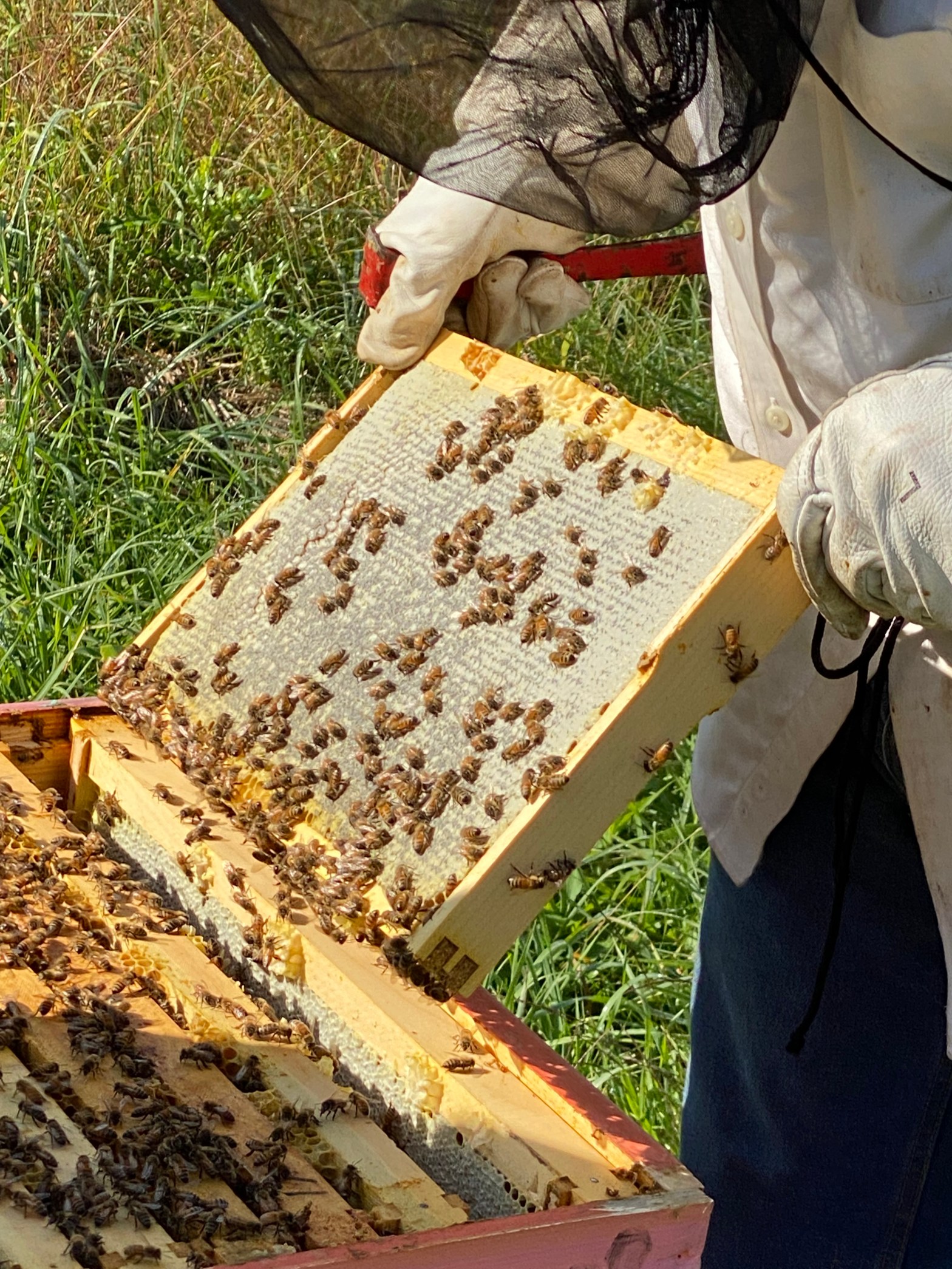
Here are some of my fall inspection pictures:
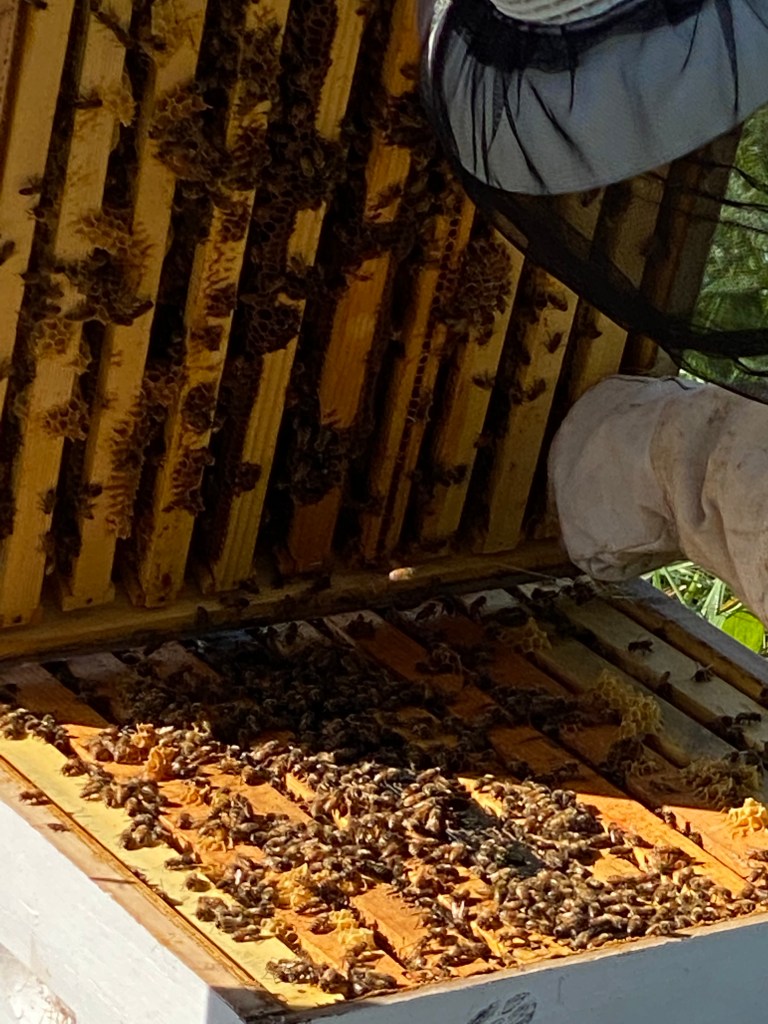
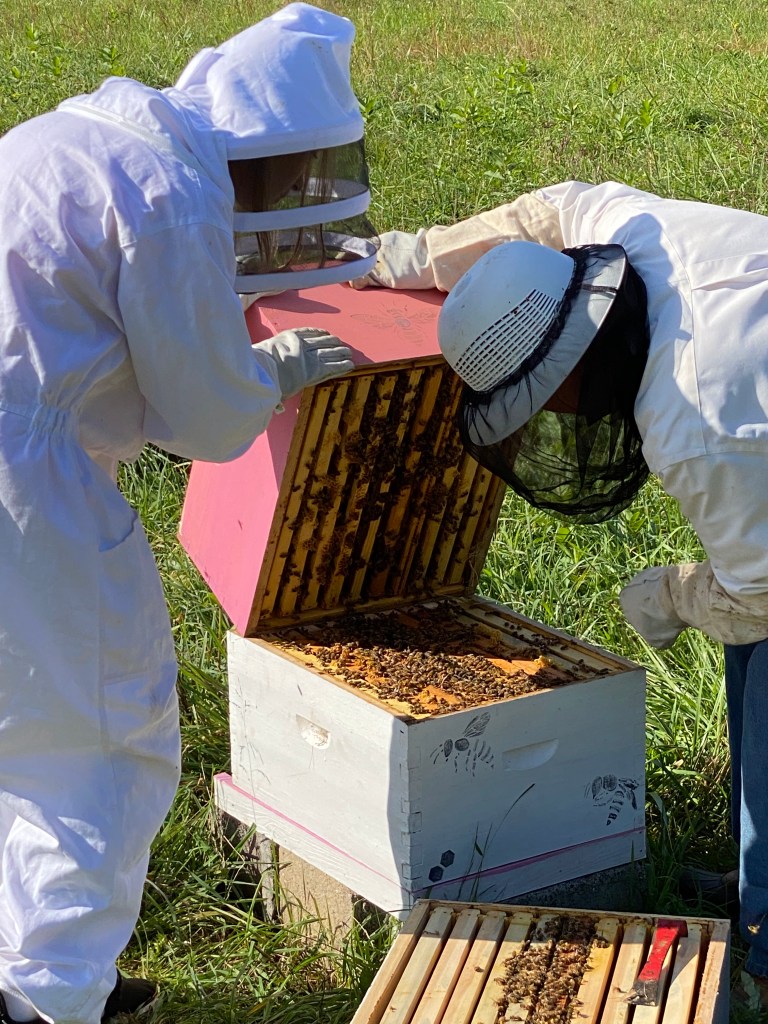
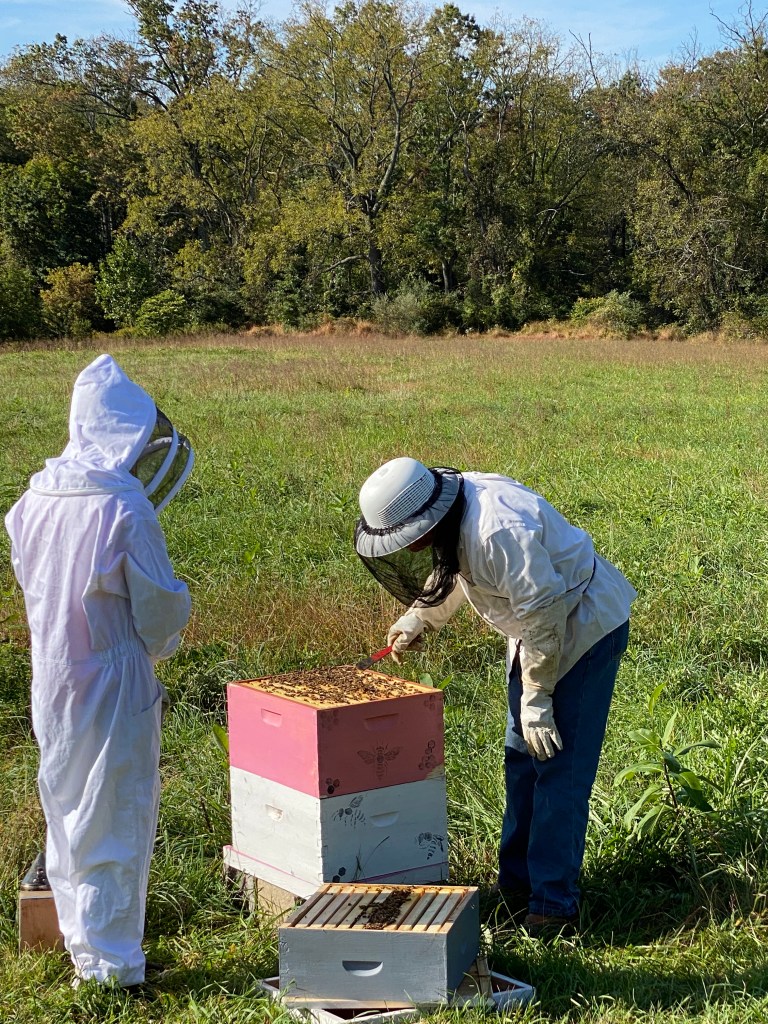
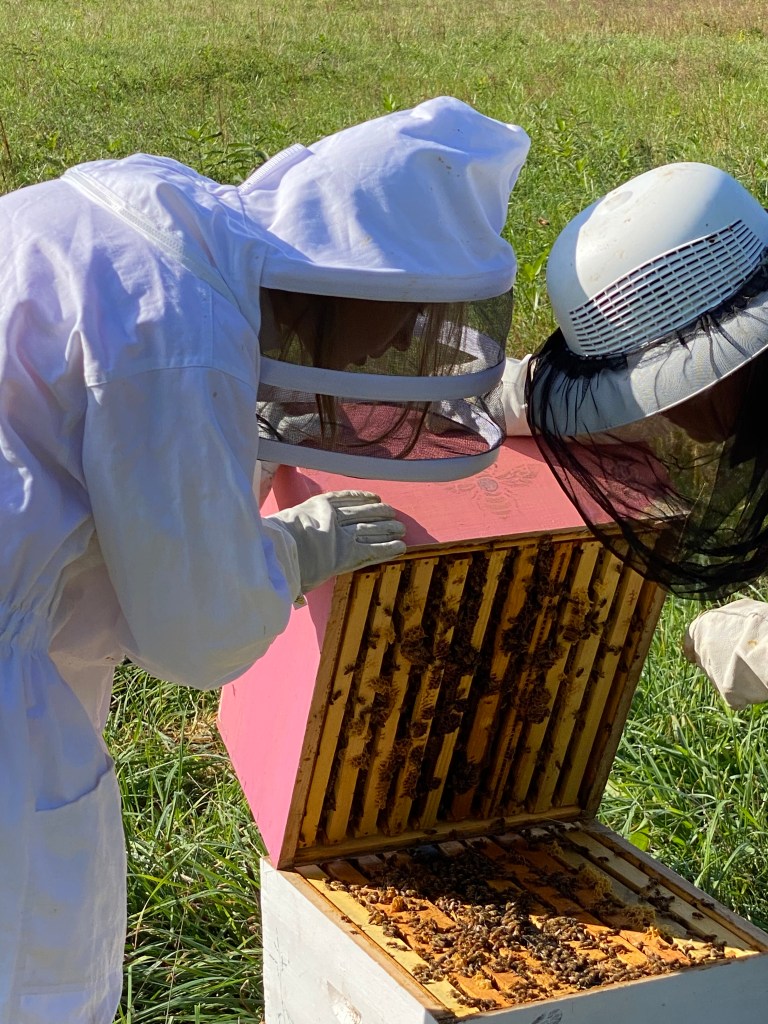
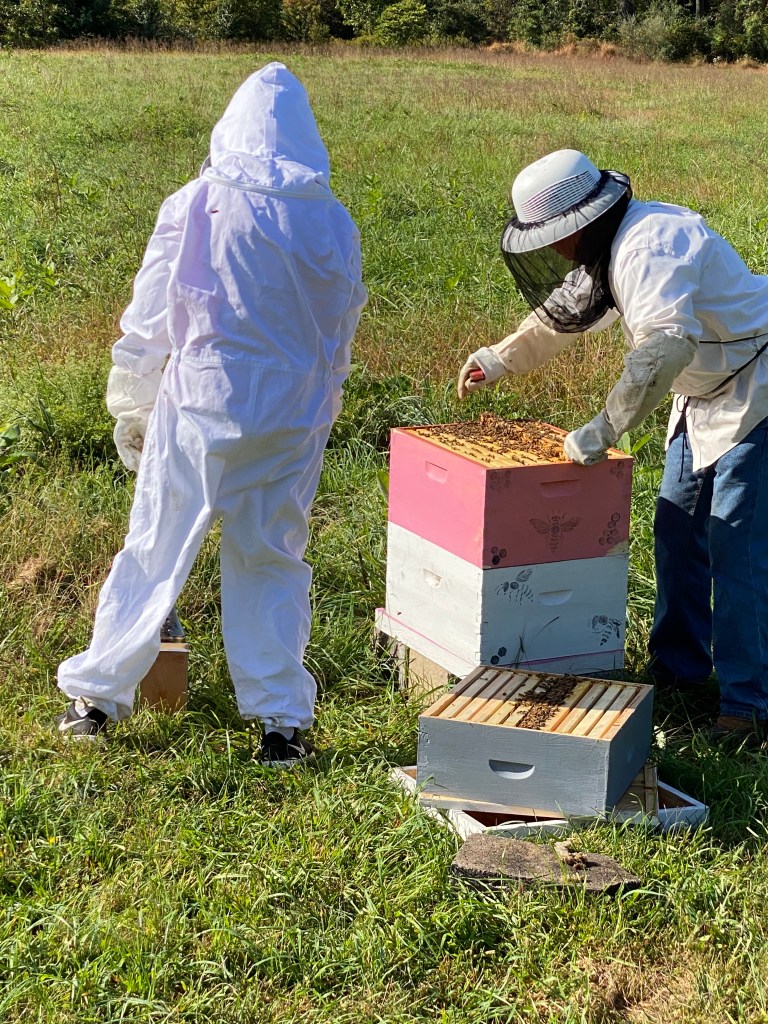
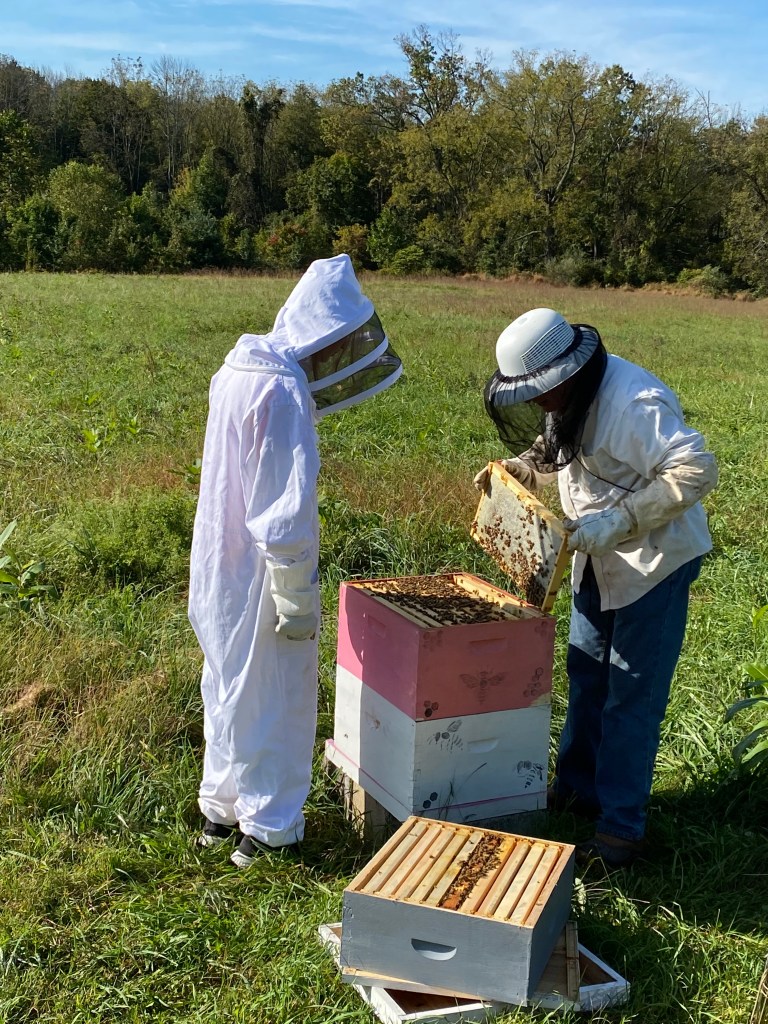
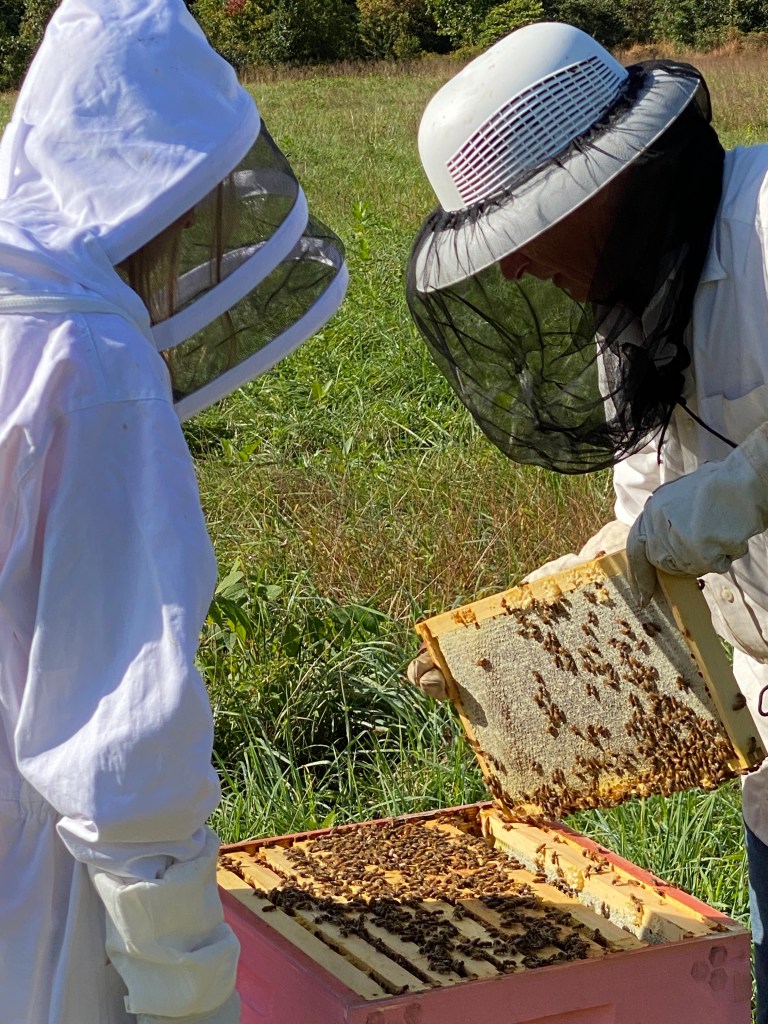
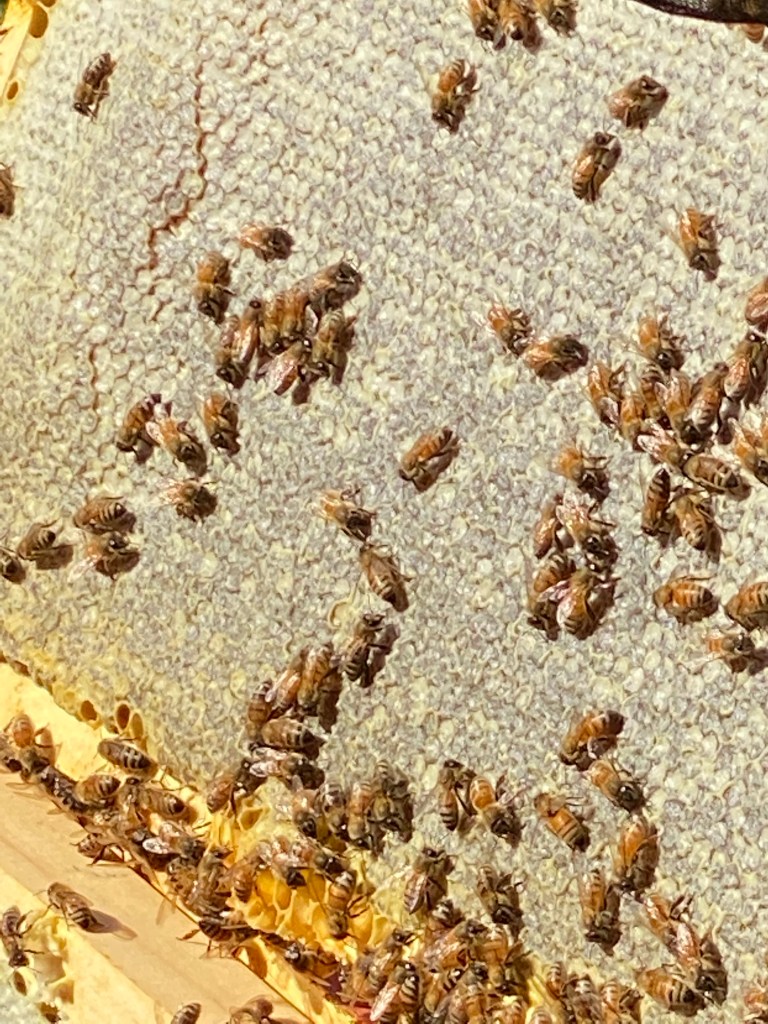
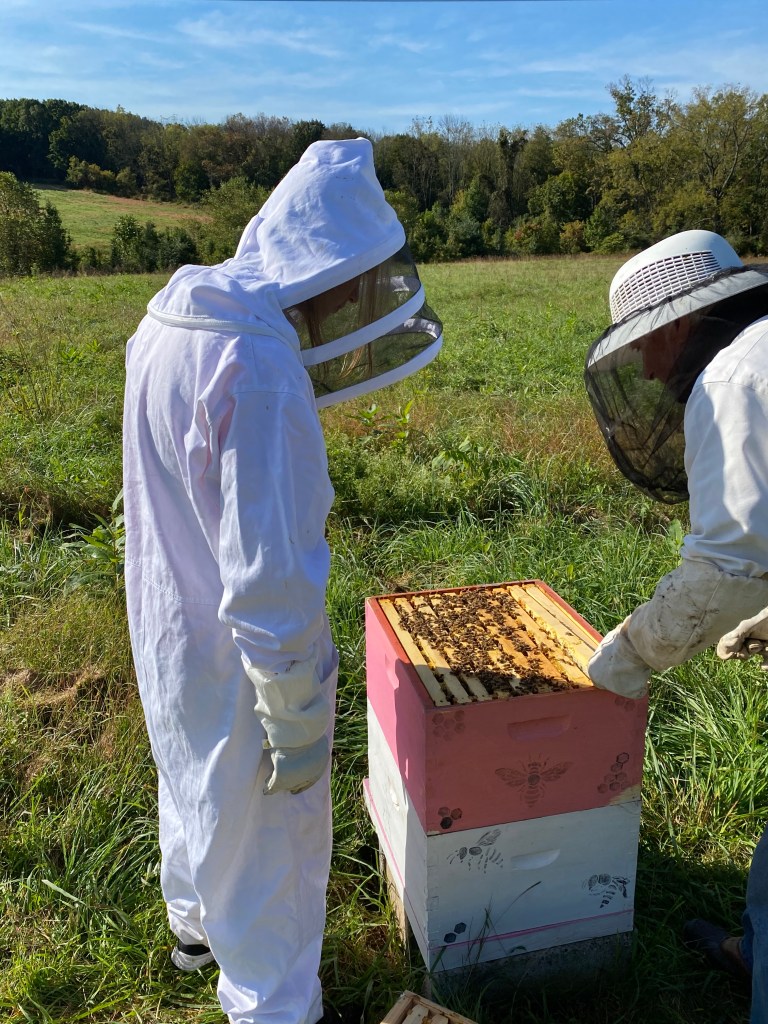
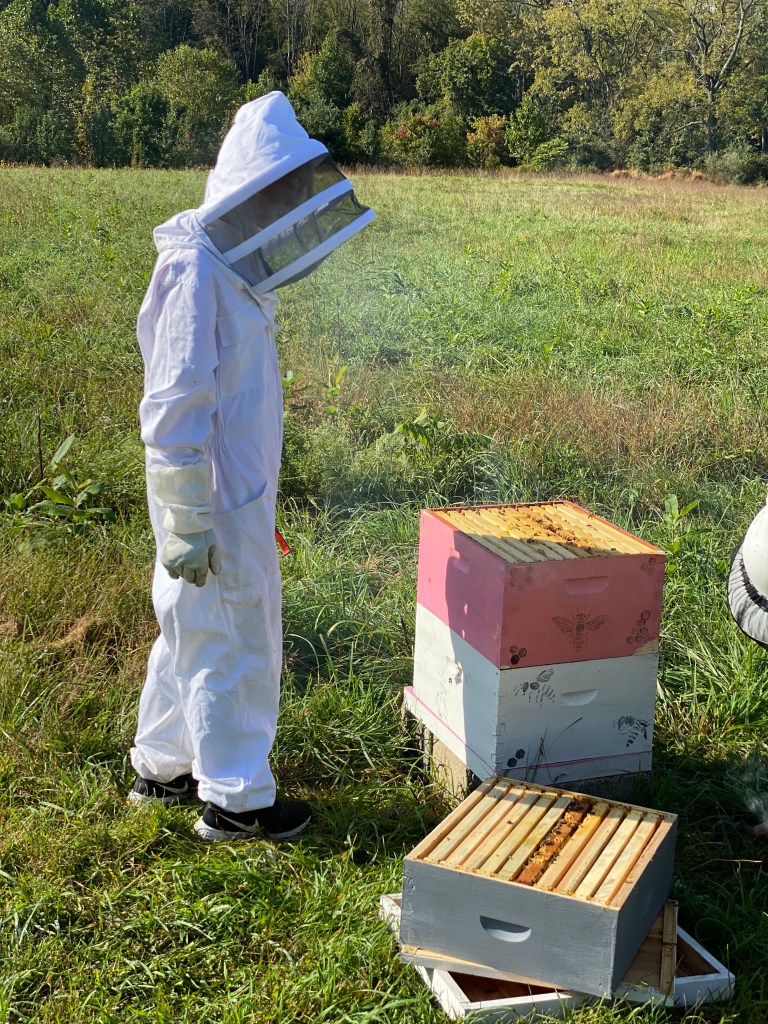
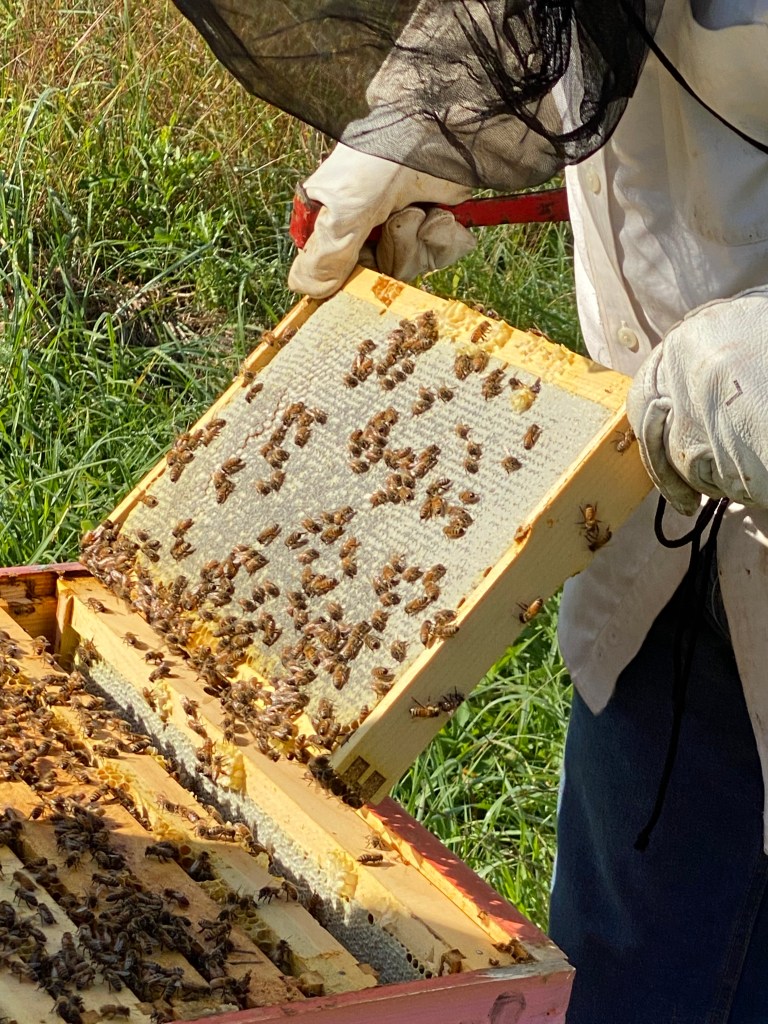
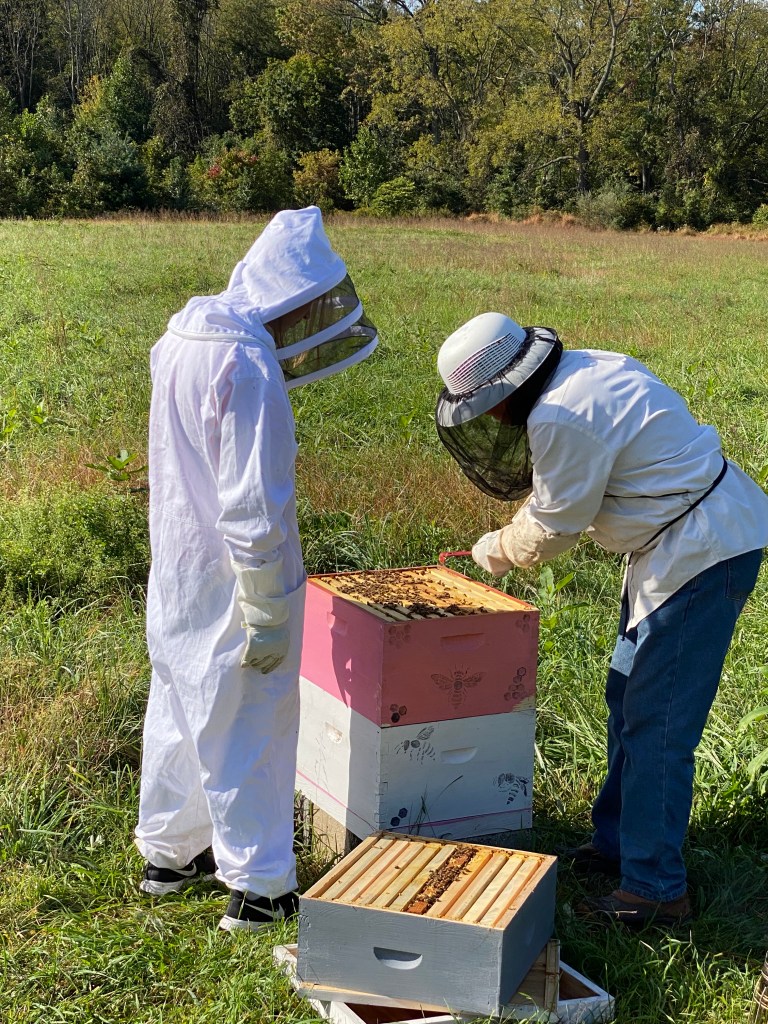
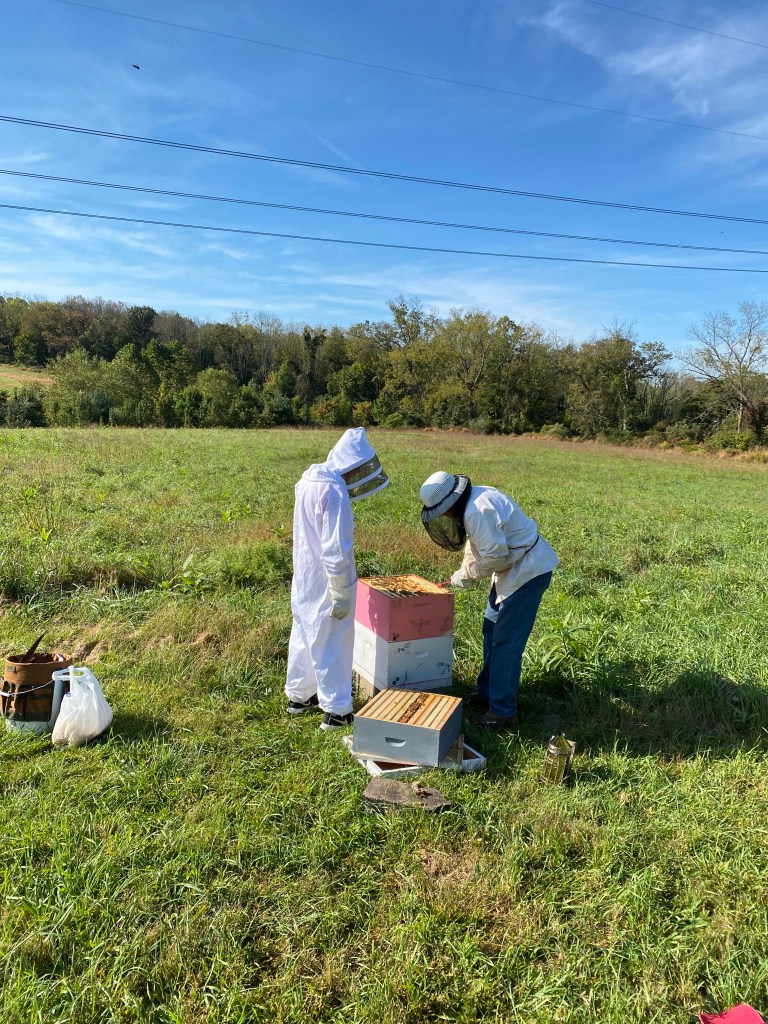
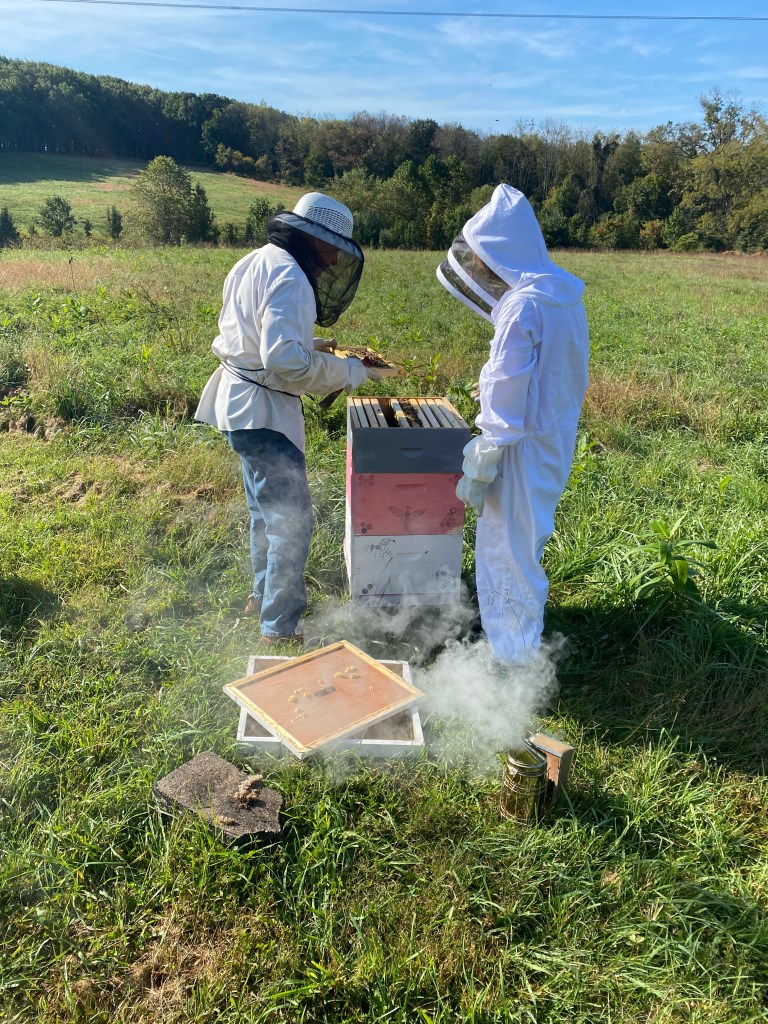
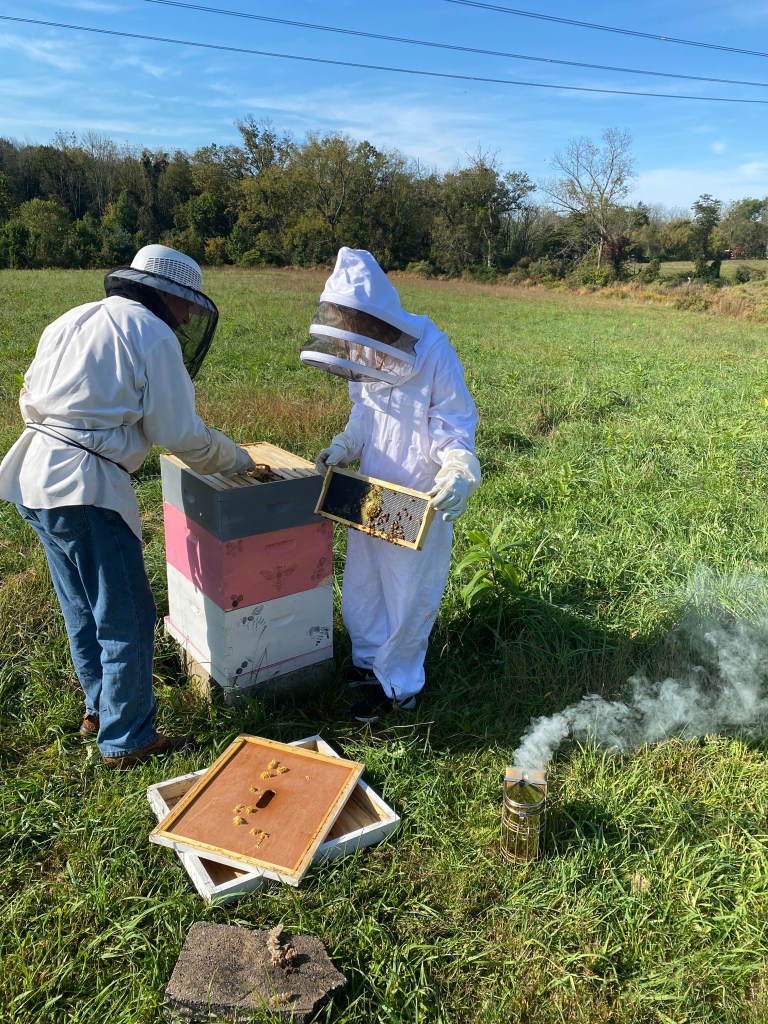
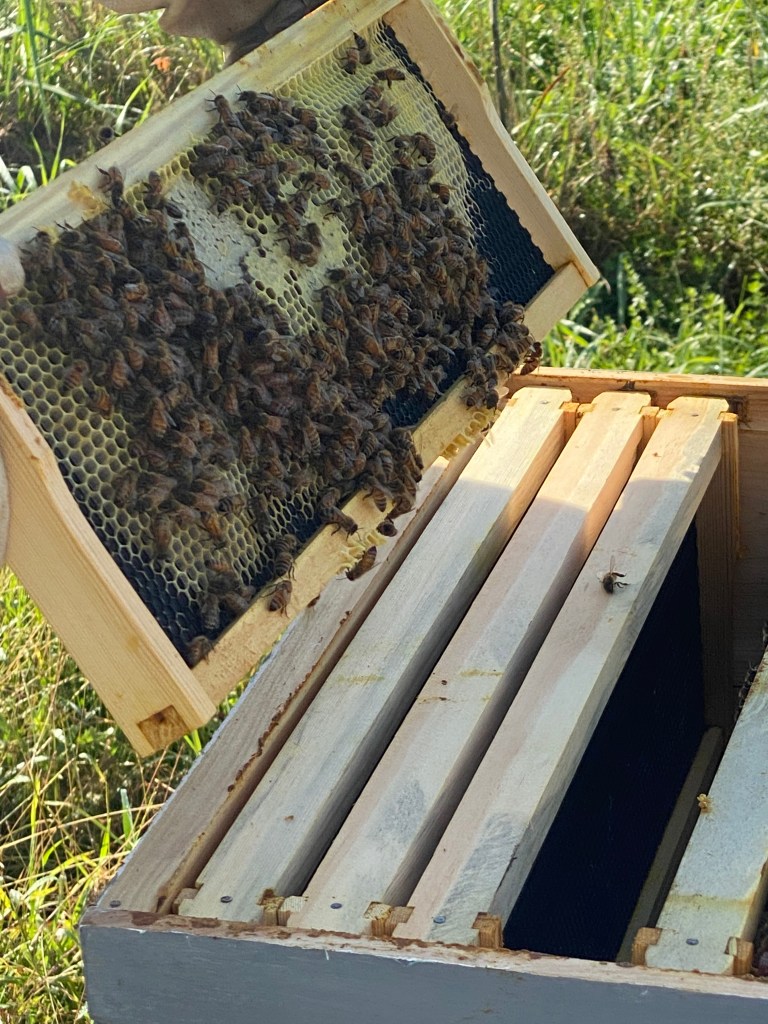
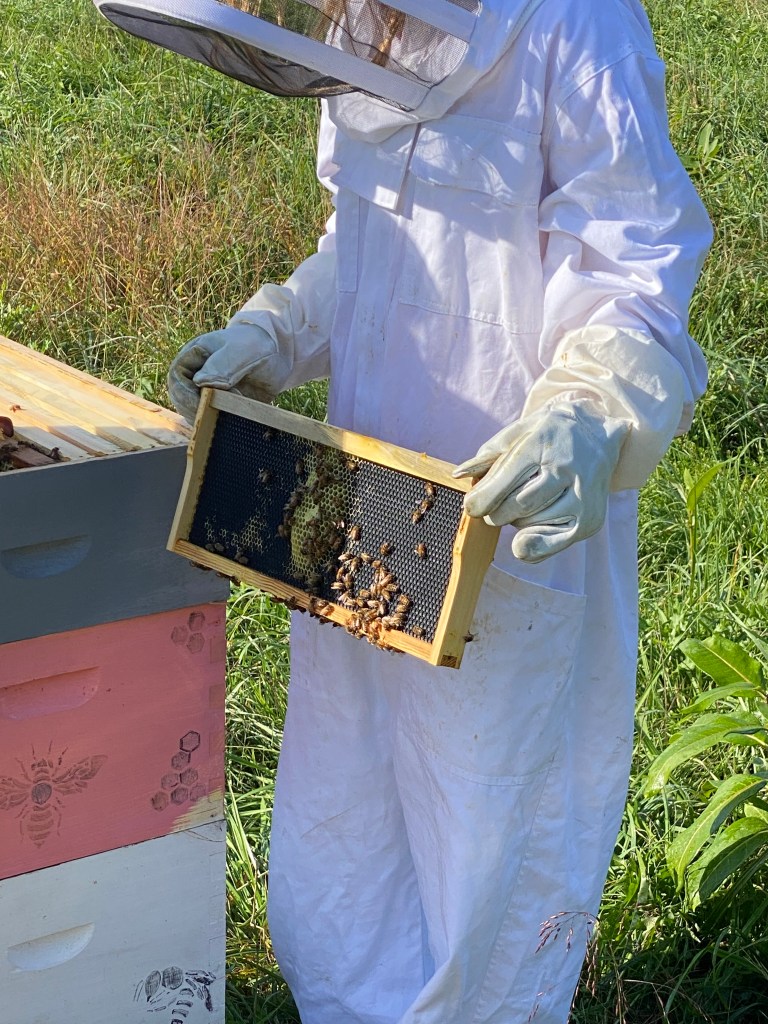
Inspect the hive in the fall!
It’s important to inspect the hive before the winter season. As the days become shorter and the air cools in autumn, most nectar and pollen sources become sparse. Overall, as the season progresses, so do the activities within your beehive: the queen’s egg production decreases drastically, drones begin to leave the hive, and the hive population decreases significantly.
Here are two reasons:
- Hives are frequently “requeened” in the fall. Pests must be kept under control.
- Varroa mite numbers should be low, and any colony that requires treatment for mite infestations should be successfully treated before the winter.
When bees are adequately fed in the fall when they are needed, there are fewer dead beehives. Make sure your fall hive feeding plan is in place for those colonies that require it, regardless of the method you choose. And don’t wait until the very last minute.
 Bee The Change
Hi Tatiana – I love your post. This helped me a lot. Thank you for all advices.
LikeLike
Great Job prepping for winter. Thanks for wondering information.
Good luck with your bees
LikeLike
Thank you. Awesome job Tatiana.
LikeLike
Thank you for great post Tatiana. Keep up great work.
LikeLike
Such great tips about the hive inspection. Many thanks. Amazing post Tatiana!!!!!
LikeLike
Nice photos Tatiana!!! I love bees 🐝
LikeLike
Nice photos Tatiana!!! I love bees 🐝
LikeLike