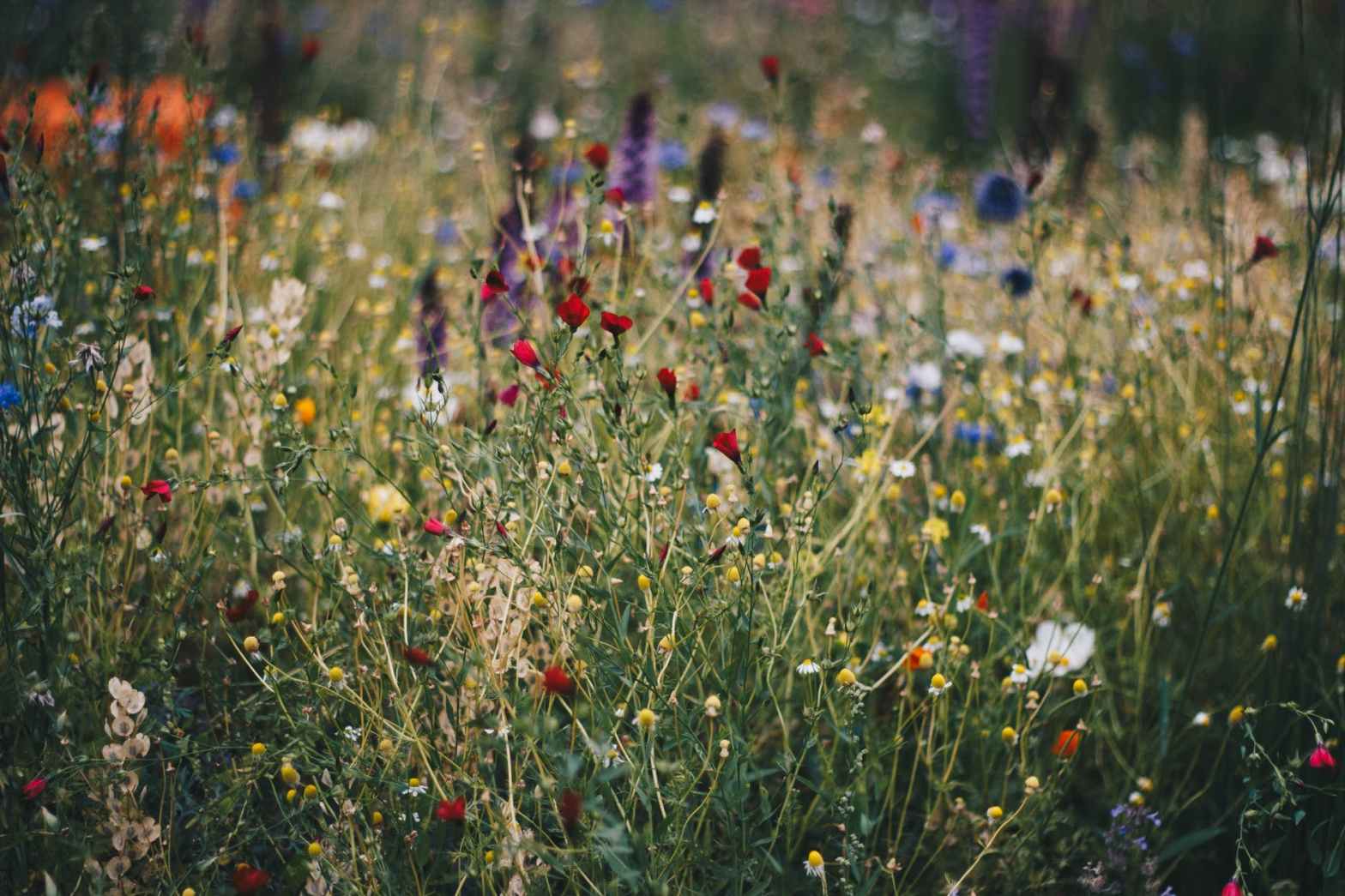
Join me in supporting pollinators this spring by signing the “No Mow May Pledge”. This is a bee-friendly way to cut down on yard maintenance. Give your mower a rest and establish a biodiverse environment that helps protect endangered pollinators and other wildlife. Take the pledge by completing the form. Plantlife, a UK-based conservation organization, popularized NoContinueContinue reading “No Mow May”
Category Archives: Helping the Earth
Bee Field Day- My First Time!

Today, although it was a cold, cloudy day, and the temperatures were in the 40 degree Fahrenheit zone, I was determined to go on this honeybee journey, and officially become a beekeeper. To help my local community, I established a honeybee hive in the town’s community garden, aiming to make more yield crops while informingContinueContinue reading “Bee Field Day- My First Time!”
Coloring For a Cause
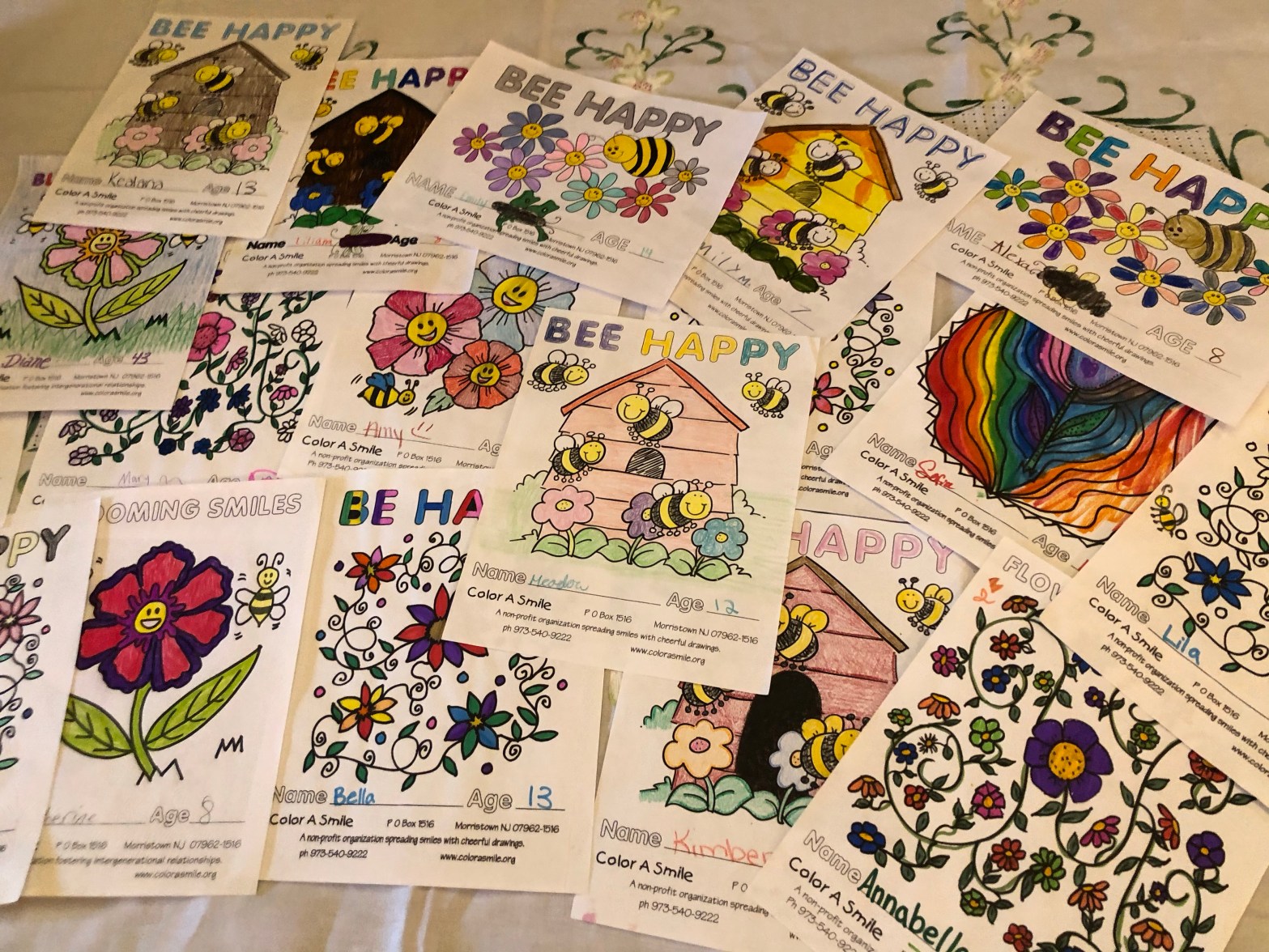
Love to color and draw? Color A Smile is a nonprofit organization that distributes cheerful drawings to senior citizens, troops overseas, and anyone in need of a smile. Every month they mail thousands of new drawings to all the people on their mailing list. School children, scouting troops, and anyone of any age, can volunteerContinueContinue reading “Coloring For a Cause”
Sustainable Mason Bee House

The benefit of Mason Bees is that they are efficient pollinators, as just 2-3 can pollinate a mature apple tree. Mason bees are a type of native bee, of which there are more than 4,000 of alone in the U.S. Unlike Honeybees, Mason Bees are solitary wood boring insects, meaning they do not operate inContinueContinue reading “Sustainable Mason Bee House”
How a Proposed Bill in Utah Will Save the Bees
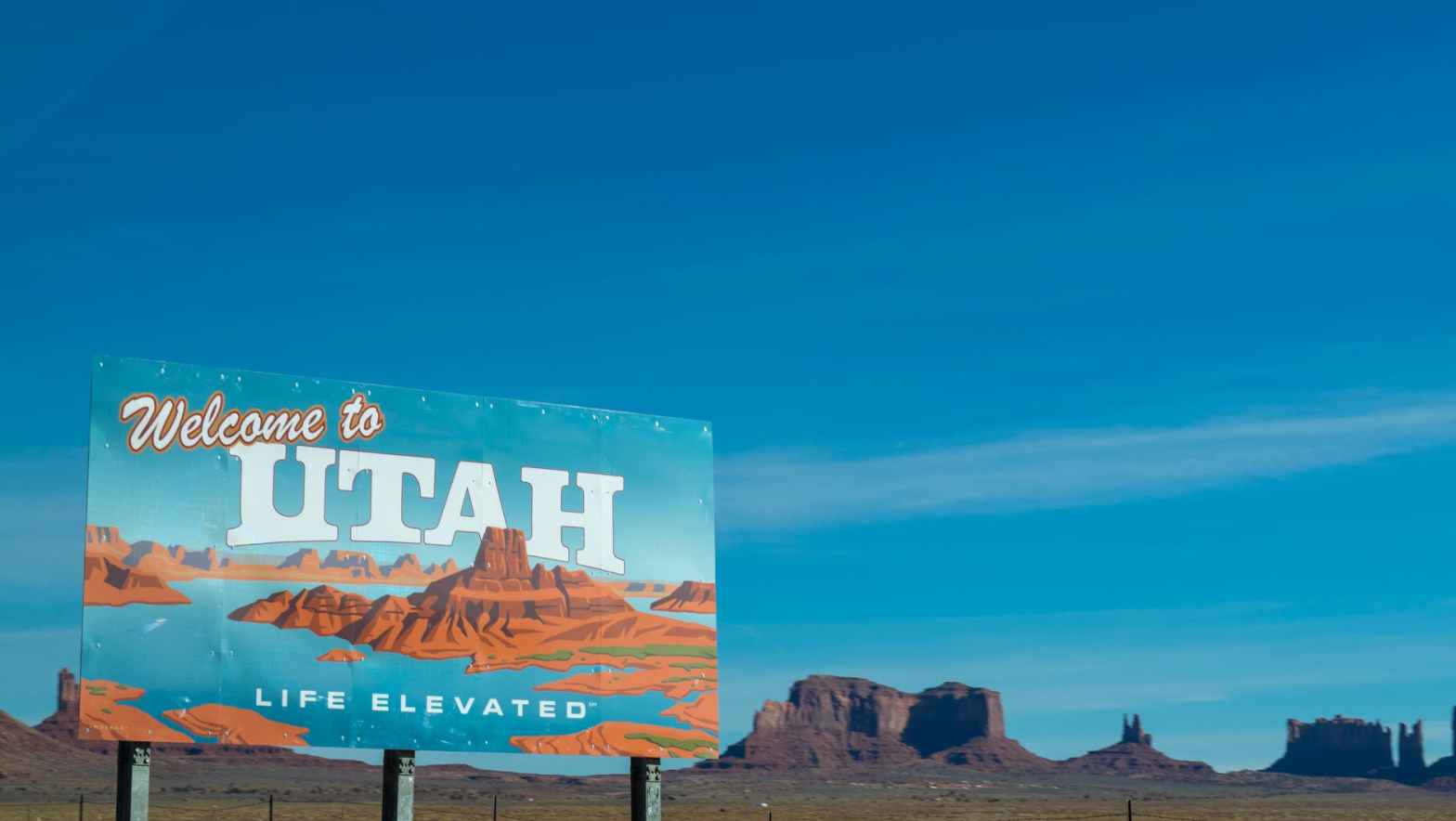
SALT LAKE CITY – Usually when we think of Utah, we imagine the Mississippi River, Zion National Park, and mountain ranges. But did you ever think of bees? From beehive symbols on street signs to several official emblems, it’s not surprising that Utah is known as the beehive state. Since it became a territory inContinueContinue reading “How a Proposed Bill in Utah Will Save the Bees”
Indigenous Maya Beekeepers Saving Local Communities
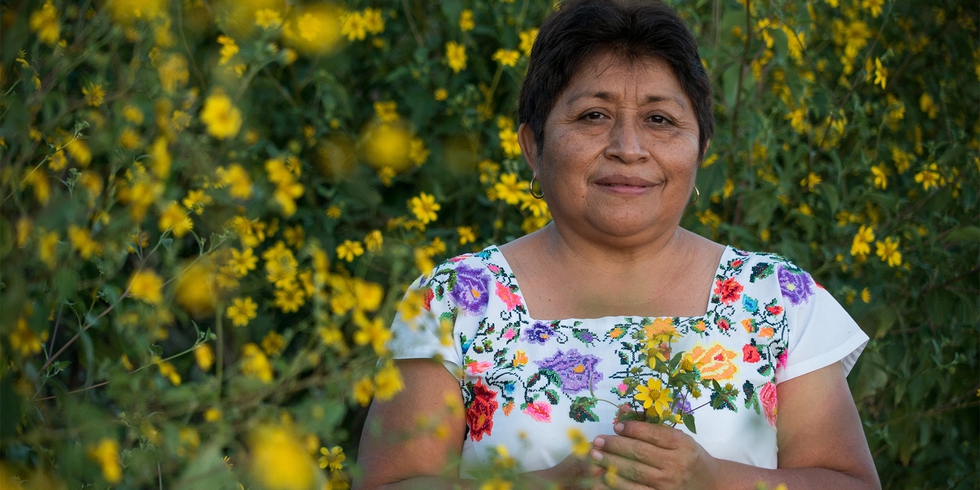
In the forests of Southeastern Mexico, indigenous beekeepers have cared for hives since hundreds of years ago. More than 40% of the nation’s honey production originates from the Yucatán Peninsula, heart of the Mayans, where 25,000 families depend on the honey production. Traditions of beekeeping is a cultural heritage in these Maya communities, specifically theContinueContinue reading “Indigenous Maya Beekeepers Saving Local Communities”
Ancient Mayan Beekeeping

Usually, when we think of beekeeping, it is a person with a heavy suit, smoker, hive of honeybees, and possibly some stinging involved. Whereas, in the Old and New Mayan world, beekeeping is a cultural, friendly pastime. And the most surprising aspect of their pastime is it has to do with a piece of logwoodContinueContinue reading “Ancient Mayan Beekeeping”
Lavender + Bees
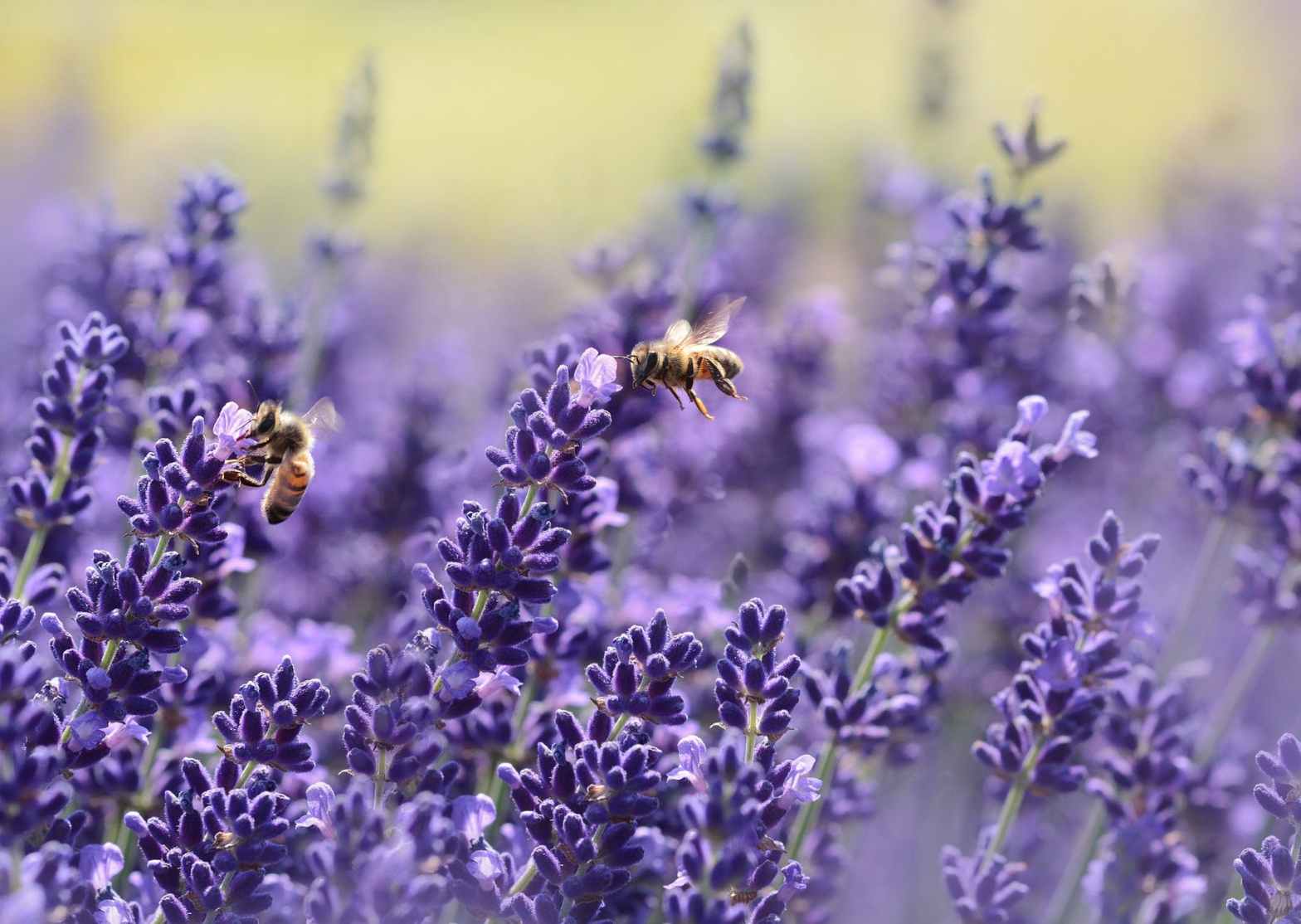
First off, lavender, as many claim, is a bee magnet. It’s essential for gardeners to plant lavender seeds or let wild lavender grow. The plant has both nectar and pollen to feed the bee. Lavender blooms during the midsummer period, where bees are at their busiest season, so it is a huge benefit. Bees areContinueContinue reading “Lavender + Bees”
Lavender + Honey Creamy Soap – DIY
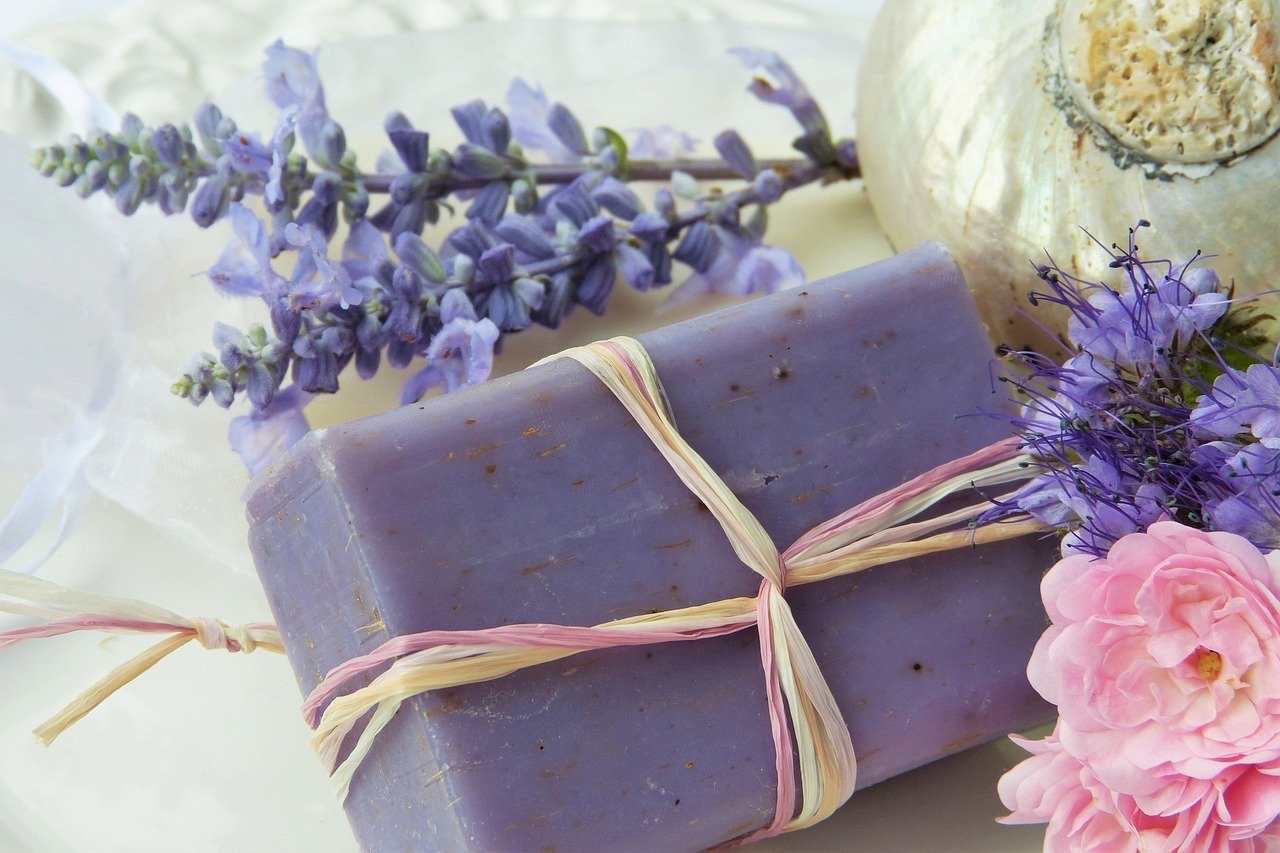
During the winter, out hands get dry and irritated. Usually we try store bought products, thinking they will help us, but the obscure chemicals only make it worse. A solution to this is making your own soap. By crafting your own artisan lavender soap, this is a friendly gesture that can be gifted towards yourContinueContinue reading “Lavender + Honey Creamy Soap – DIY”
A World Without Bees
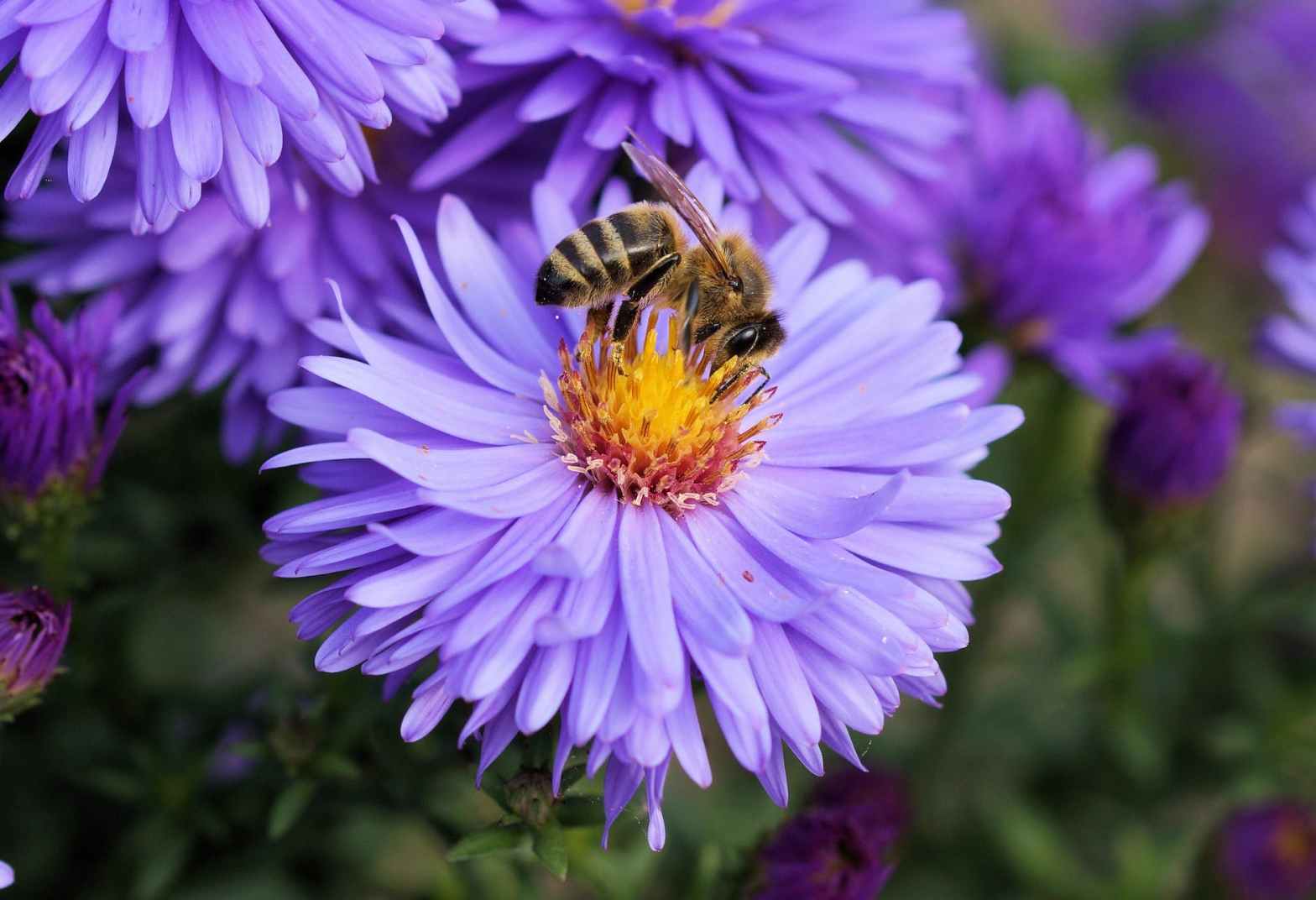
When eating a salad, pizza, or strawberry ice cream, did you ever stop and wonder how your food got onto your plate. Of course humans play apart in this role, but did you ever think of insects. Bees perhaps? One out of three bites of food on a well-balanced plate is pollinated by bees. Do youContinueContinue reading “A World Without Bees”
 Bee The Change