This infographic can be used for educational purposes or to spread the movement @ #NoMowMay on social media platforms. Credits: Tatiana Hlinka – NJ 4-H Pollinator Habitat Ambassador
Category Archives: Current News
No Mow May
Join me in supporting pollinators this spring by signing the “No Mow May Pledge”. This is a bee-friendly way to cut down on yard maintenance. Give your mower a rest and establish a biodiverse environment that helps protect endangered pollinators and other wildlife. Take the pledge by completing the form. Plantlife, a UK-based conservation organization, popularized NoContinueContinue reading “No Mow May”
What is pollinating the ‘hidden flowers’ of South Africa?
Honeybees are mysterious creatures, surprising us humans with their superpowers at the least excepted. A life lesson we can all learn from them is nature’s most unique precious jewels are always hidden. Literally hidden. Ruth Corizon and Dr. Timo van der Niet, husband and wife, in late 2017, were traveling up high in South AfricaContinueContinue reading “What is pollinating the ‘hidden flowers’ of South Africa?”
The Bee Peace
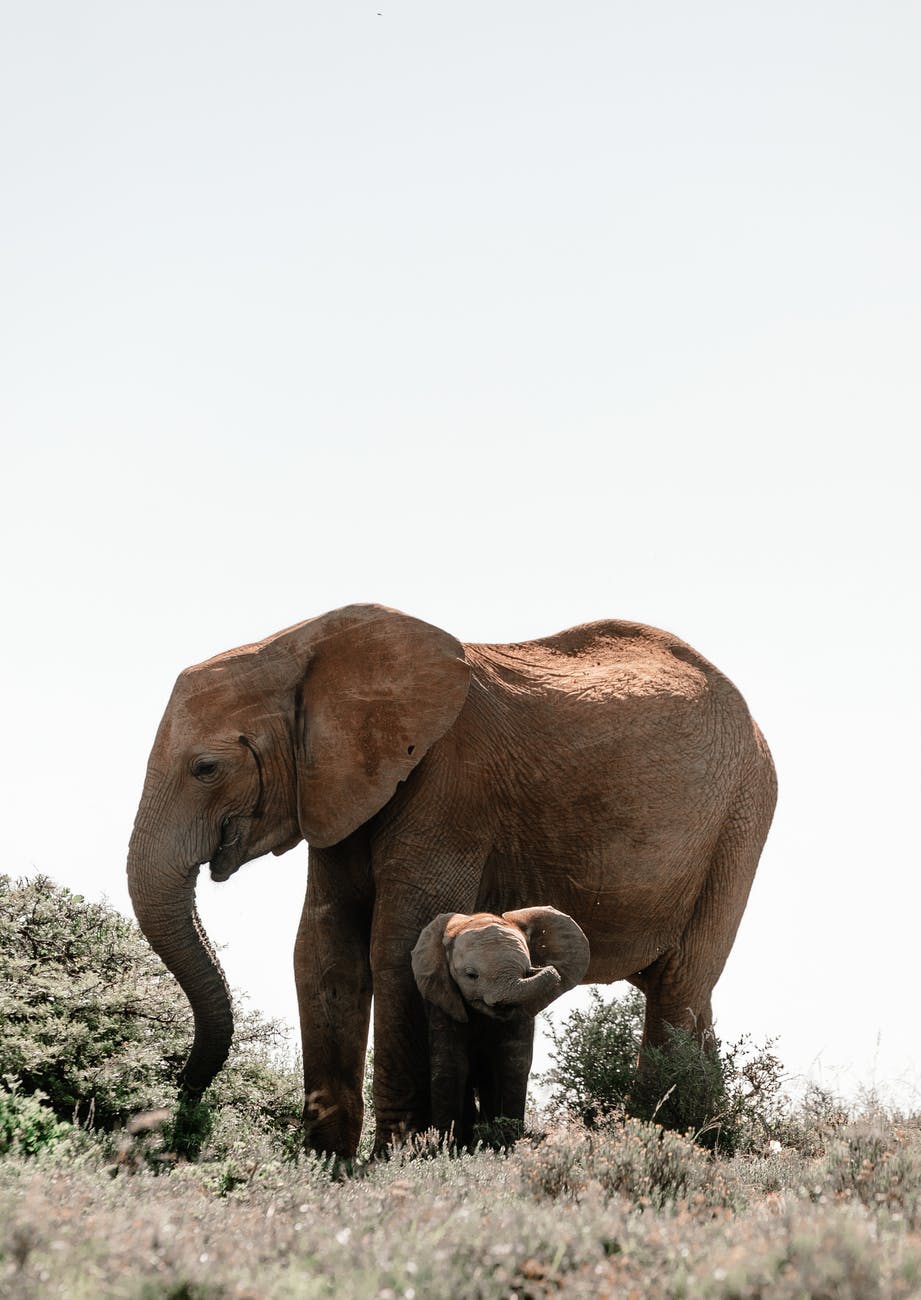
Would you ever think of bees teaming up to prevent elephant extinction by lending a hand to farmers? It sounds outrageous, but not for the mighty bee.Elephants, an endangered underrated species, saw their populations decrease while poaching increased in popularity during the 70s and 80s. The Ivory Trade ban was established in the 1990s, andContinueContinue reading “The Bee Peace”
How a Proposed Bill in Utah Will Save the Bees
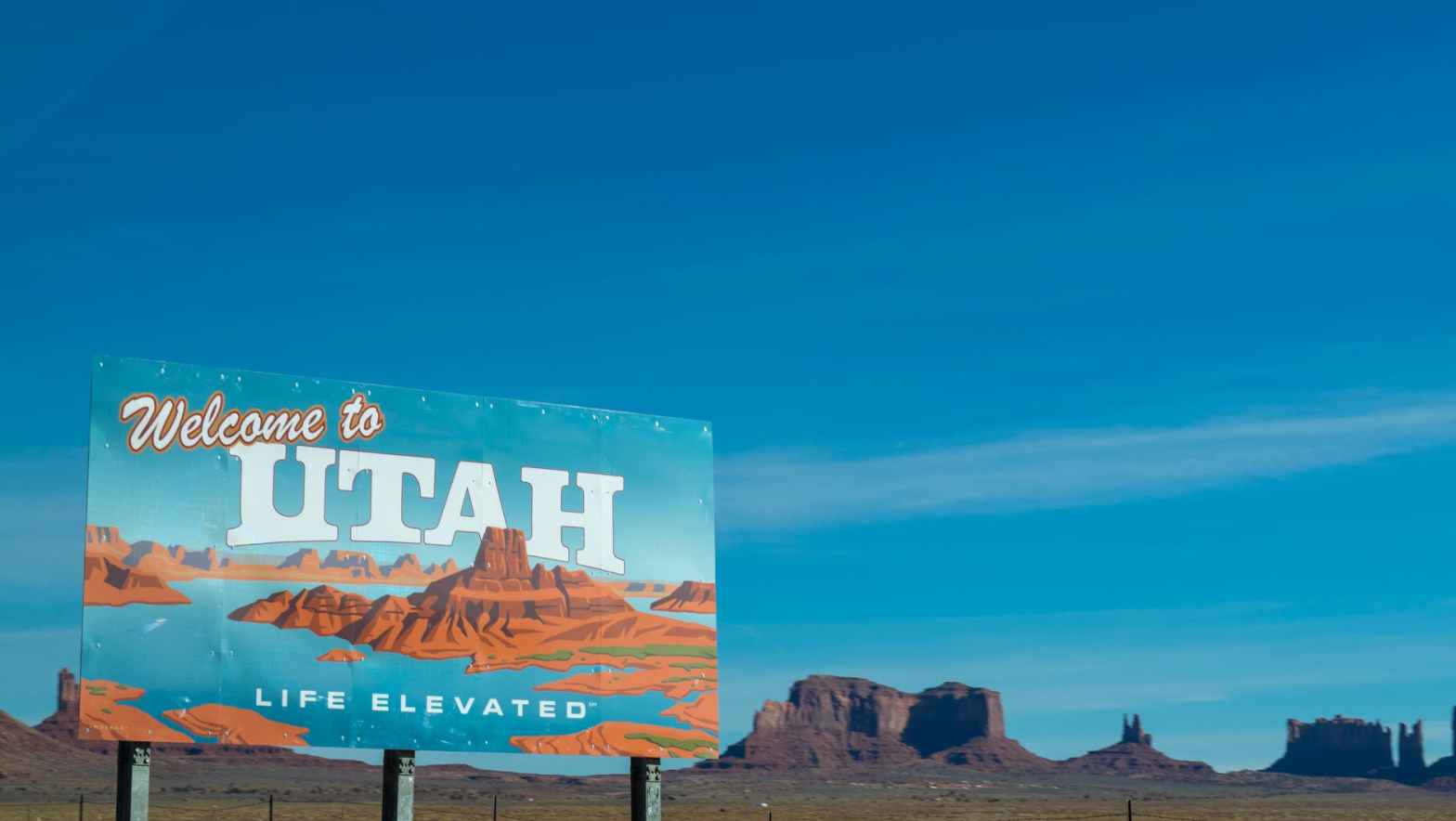
SALT LAKE CITY – Usually when we think of Utah, we imagine the Mississippi River, Zion National Park, and mountain ranges. But did you ever think of bees? From beehive symbols on street signs to several official emblems, it’s not surprising that Utah is known as the beehive state. Since it became a territory inContinueContinue reading “How a Proposed Bill in Utah Will Save the Bees”
Indigenous Maya Beekeepers Saving Local Communities
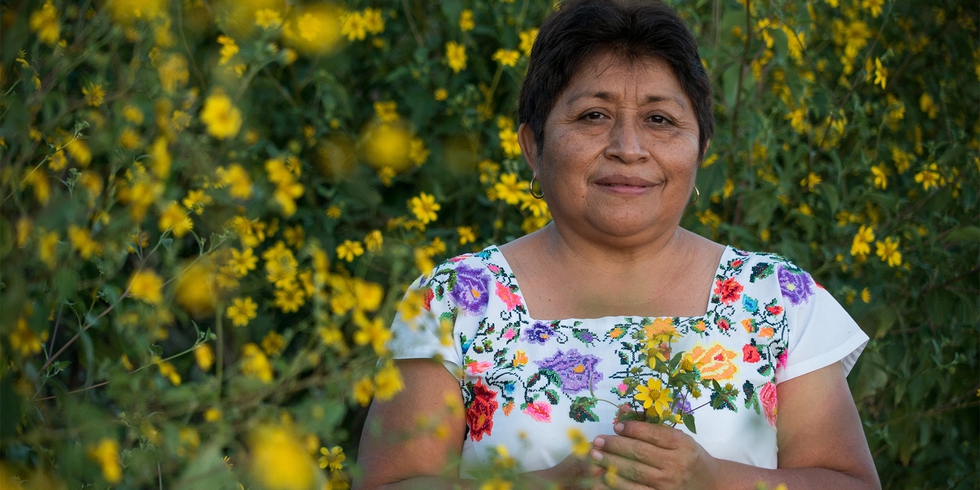
In the forests of Southeastern Mexico, indigenous beekeepers have cared for hives since hundreds of years ago. More than 40% of the nation’s honey production originates from the Yucatán Peninsula, heart of the Mayans, where 25,000 families depend on the honey production. Traditions of beekeeping is a cultural heritage in these Maya communities, specifically theContinueContinue reading “Indigenous Maya Beekeepers Saving Local Communities”
Ancient Mayan Beekeeping

Usually, when we think of beekeeping, it is a person with a heavy suit, smoker, hive of honeybees, and possibly some stinging involved. Whereas, in the Old and New Mayan world, beekeeping is a cultural, friendly pastime. And the most surprising aspect of their pastime is it has to do with a piece of logwoodContinueContinue reading “Ancient Mayan Beekeeping”
Lavender + Bees
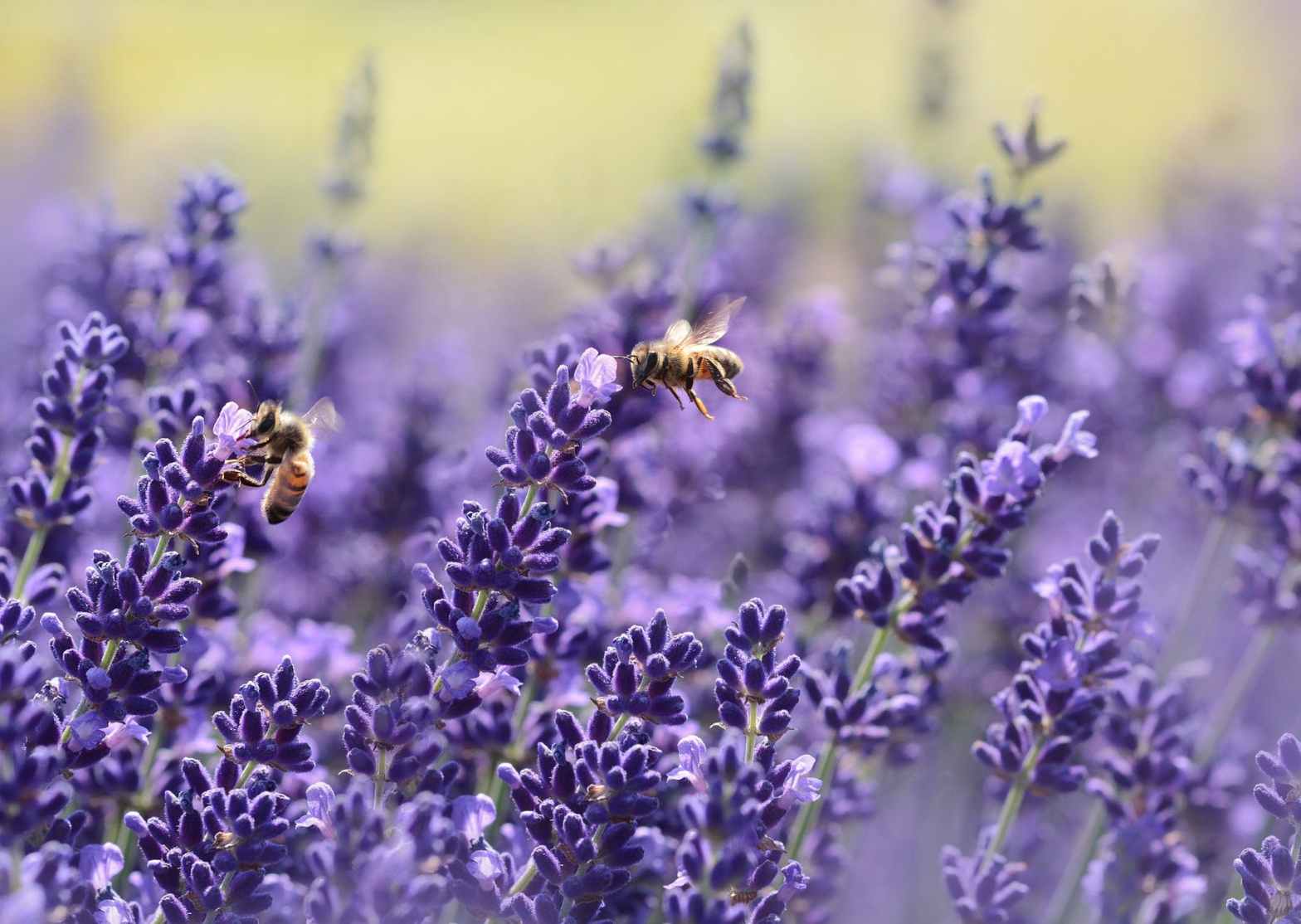
First off, lavender, as many claim, is a bee magnet. It’s essential for gardeners to plant lavender seeds or let wild lavender grow. The plant has both nectar and pollen to feed the bee. Lavender blooms during the midsummer period, where bees are at their busiest season, so it is a huge benefit. Bees areContinueContinue reading “Lavender + Bees”
Your Cellphone is Killing the Bees

Today, 7.1 billion people use a mobile phone. On a phone, contacts, education, communication, and access to the modern world are all guaranteed. By 2024 the number of mobile users will reach 7.41 billion. Although there are many beneficial advantages of a mobile phone, there will come the consequence. What are Cell Phone Towers? WithContinueContinue reading “Your Cellphone is Killing the Bees”
A World Without Bees
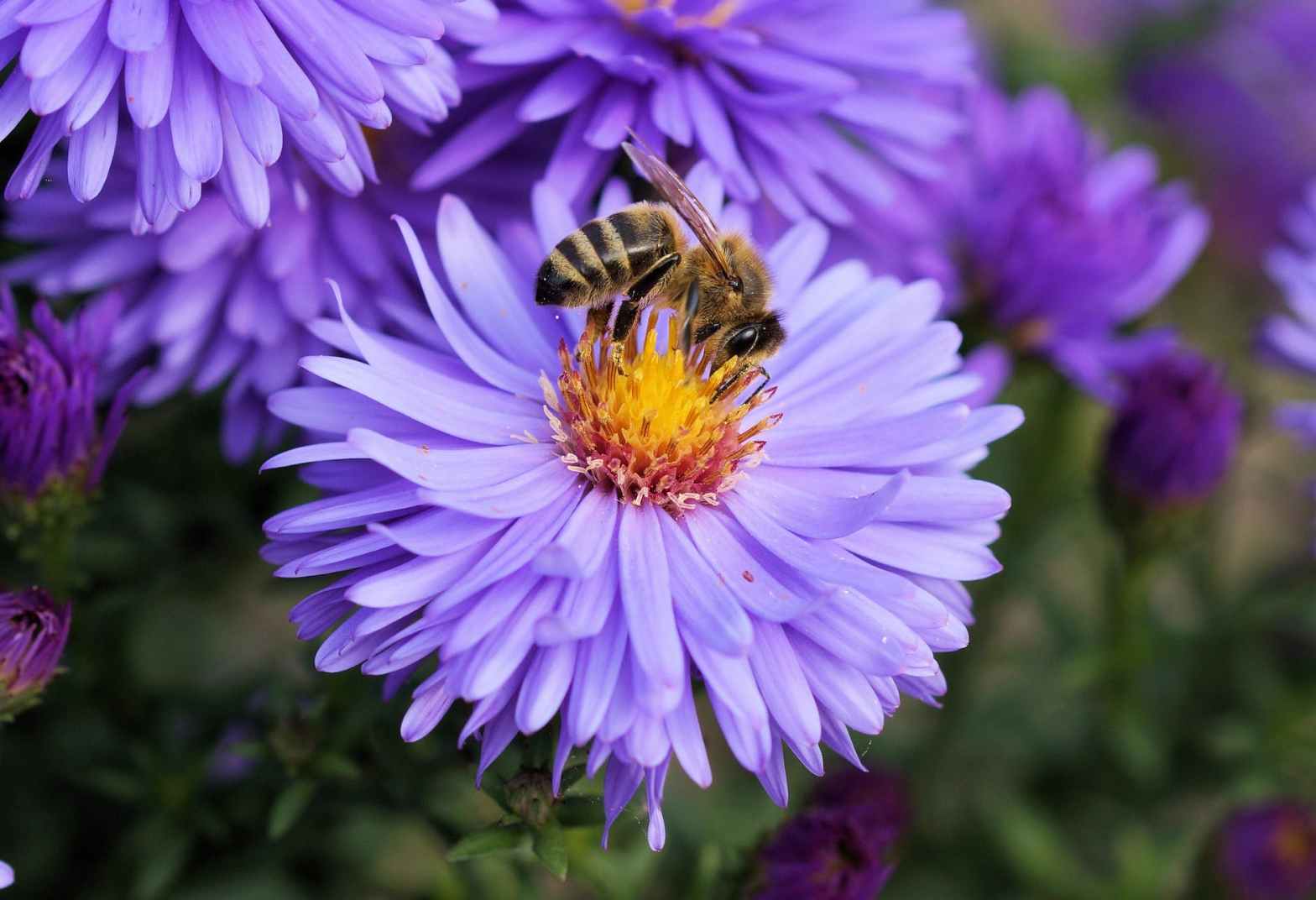
When eating a salad, pizza, or strawberry ice cream, did you ever stop and wonder how your food got onto your plate. Of course humans play apart in this role, but did you ever think of insects. Bees perhaps? One out of three bites of food on a well-balanced plate is pollinated by bees. Do youContinueContinue reading “A World Without Bees”
 Bee The Change