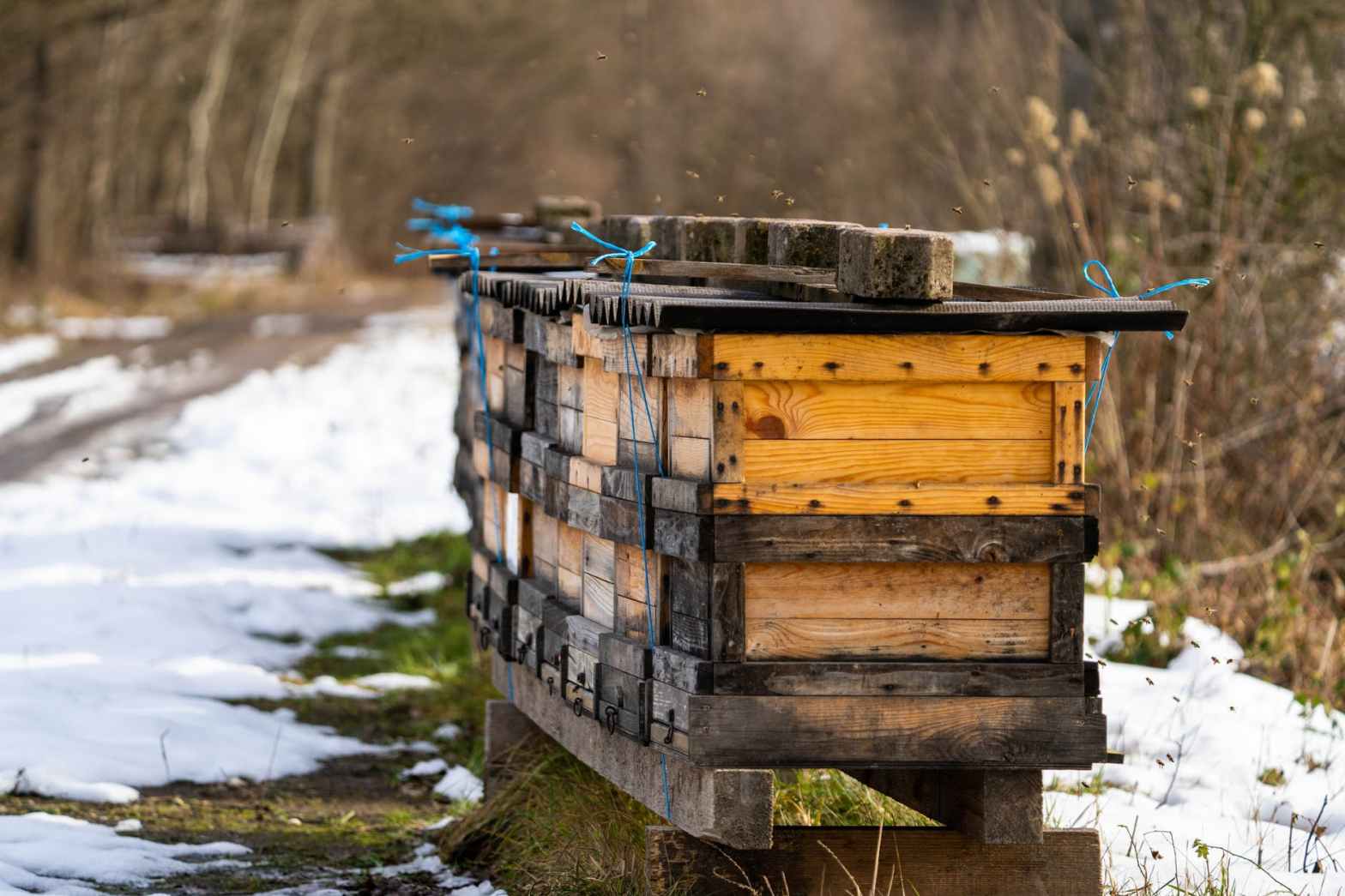
For the past decade, our most important pollinators have been in decline. Pesticides, diseases, and habitat losses are among the major impacts. Scientists described this phenomenon as Colony Collapse Disorder or CCD. This is where a majority of worker bees in a colony disappear. They will leave behind the queen, food resources, and larva. AlthoughContinueContinue reading “Where Are Our Bees? (Kids Edition)”
Author Archives: t
I’m Hungry! (Kids Edition)

Imagine having a picnic on a cloudless day, with nearby buzzing insects and delicate flowers. The air smells like lavender, and the sun warms the sky. In your picnic basket, you have watermelon, strawberries, a colorful salad, and a handful of almonds. What if I told you that when bees disappear, so would this pleasantContinueContinue reading “I’m Hungry! (Kids Edition)”
What Are Honeybees? (Kids Edition)
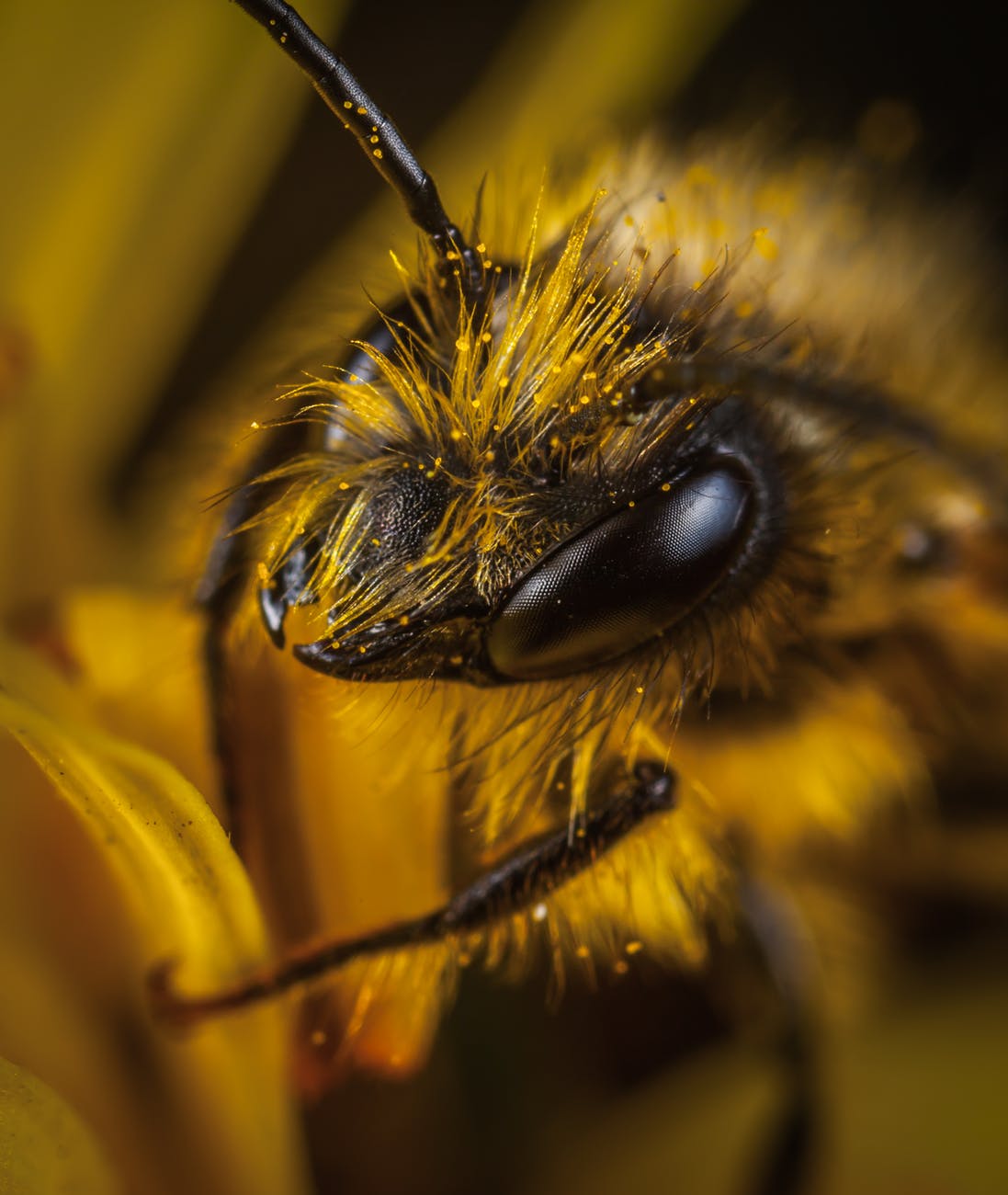
What is the first thing that comes into your mind when you think of honeybees? Small flying insects? Bugs that make honey? Or dangerous stinging creatures? Although the small creatures make honey, they are not at all dangerous. Yet, they are extremely important pollinators for our favorite fruits, vegetables, and flowers. They have the abilityContinueContinue reading “What Are Honeybees? (Kids Edition)”
Honey Cake Pops
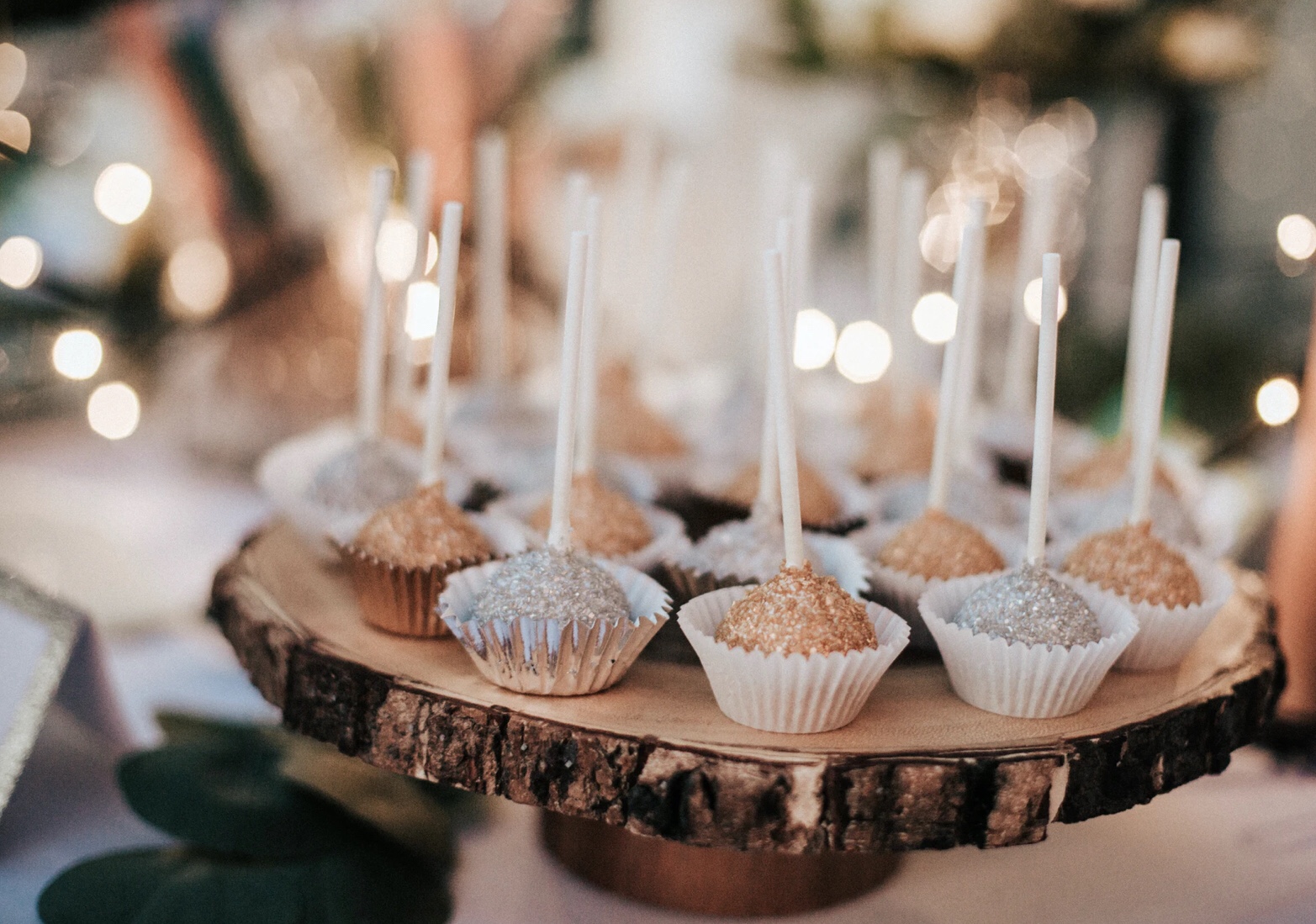
Cake pops are delicious, and are cute treats to give out on holidays. Even though their popularity dropped over the past couple of years, they are still the most satisfying to decorate. Usually, Starbucks is known for their buttery yet sparkly cake pops, but are they “healthy”? Definitely not. By incorporating this recipe into ourContinueContinue reading “Honey Cake Pops”
How a Proposed Bill in Utah Will Save the Bees
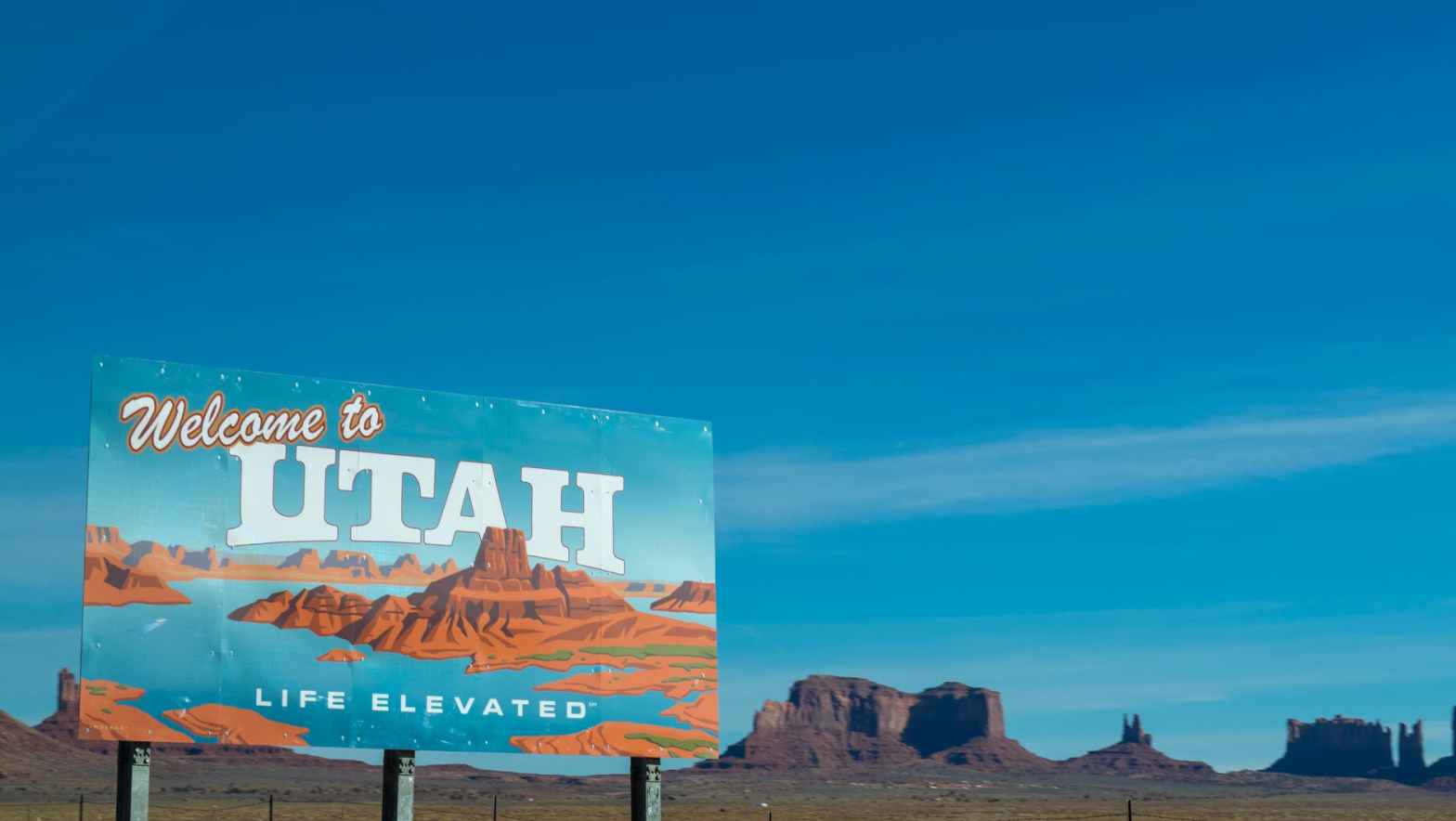
SALT LAKE CITY – Usually when we think of Utah, we imagine the Mississippi River, Zion National Park, and mountain ranges. But did you ever think of bees? From beehive symbols on street signs to several official emblems, it’s not surprising that Utah is known as the beehive state. Since it became a territory inContinueContinue reading “How a Proposed Bill in Utah Will Save the Bees”
Indigenous Maya Beekeepers Saving Local Communities
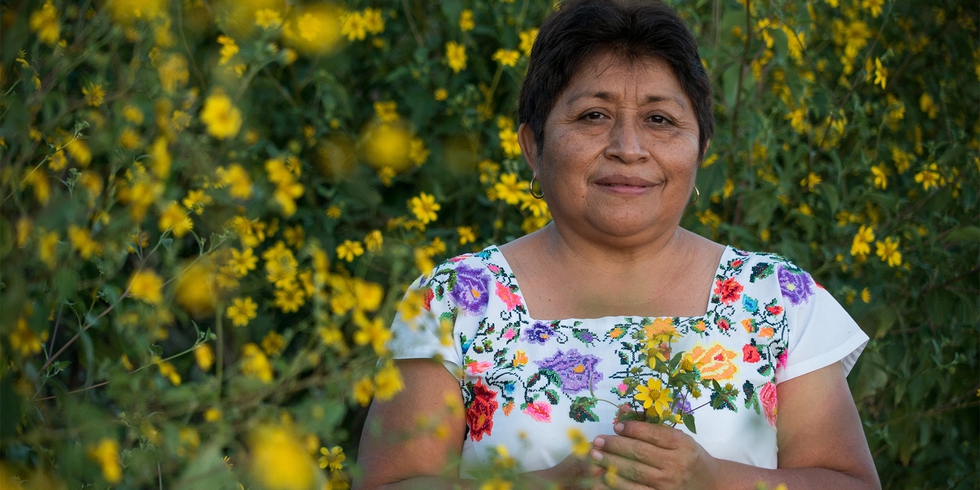
In the forests of Southeastern Mexico, indigenous beekeepers have cared for hives since hundreds of years ago. More than 40% of the nation’s honey production originates from the Yucatán Peninsula, heart of the Mayans, where 25,000 families depend on the honey production. Traditions of beekeeping is a cultural heritage in these Maya communities, specifically theContinueContinue reading “Indigenous Maya Beekeepers Saving Local Communities”
Ancient Mayan Beekeeping

Usually, when we think of beekeeping, it is a person with a heavy suit, smoker, hive of honeybees, and possibly some stinging involved. Whereas, in the Old and New Mayan world, beekeeping is a cultural, friendly pastime. And the most surprising aspect of their pastime is it has to do with a piece of logwoodContinueContinue reading “Ancient Mayan Beekeeping”
The Way Through the Woods
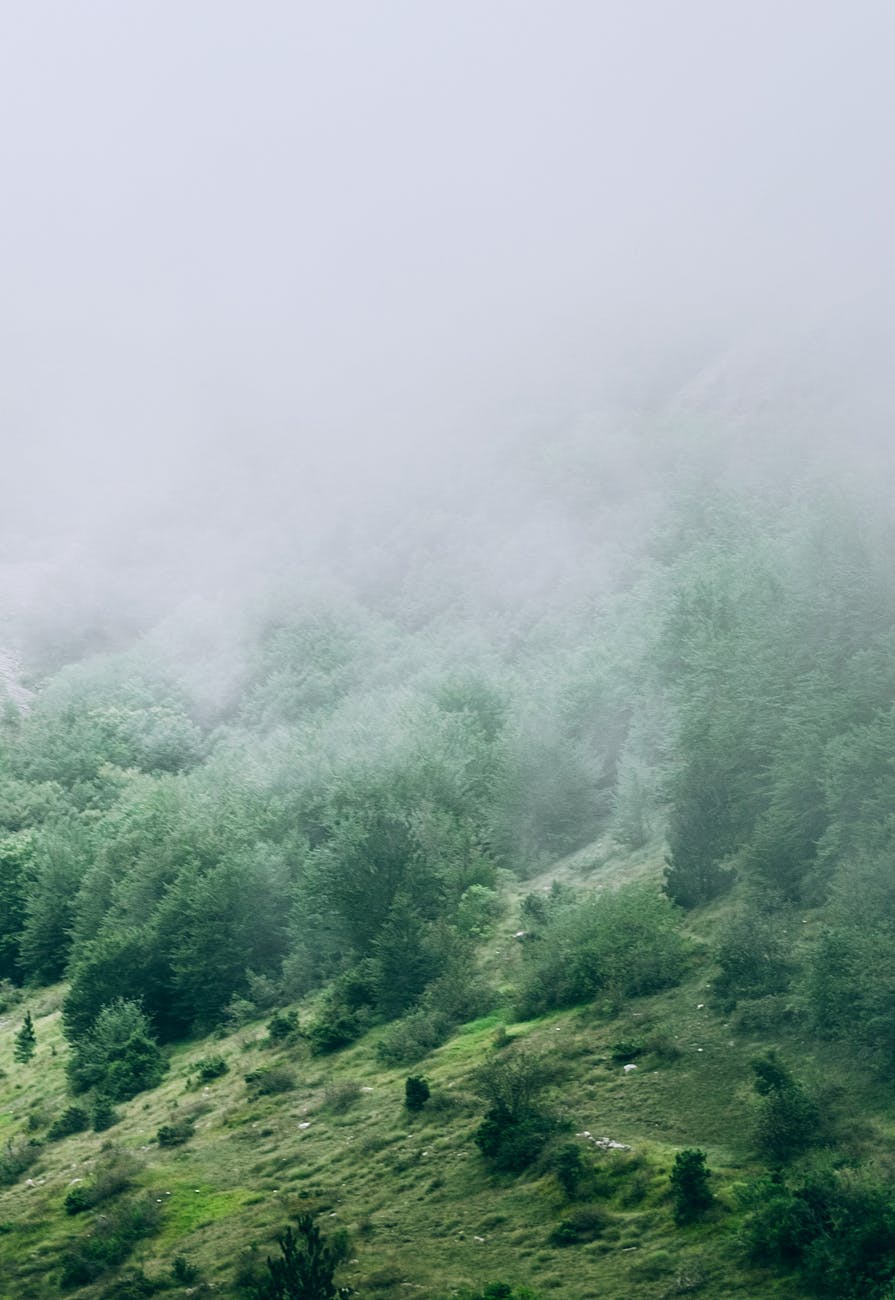
By: Rudyard Kipling THEY shut the road through the woodsSeventy years ago. Weather and rain have undone it again, And now you would never know There was once a road through the woods Before they planted the trees. It is underneath the coppice and heath, And the thin anemones.Only the keeper sees That, where the ring-dove broods,And the badgers roll at ease, ThereContinueContinue reading “The Way Through the Woods”
Dance, Dance, While the Hive Collapses
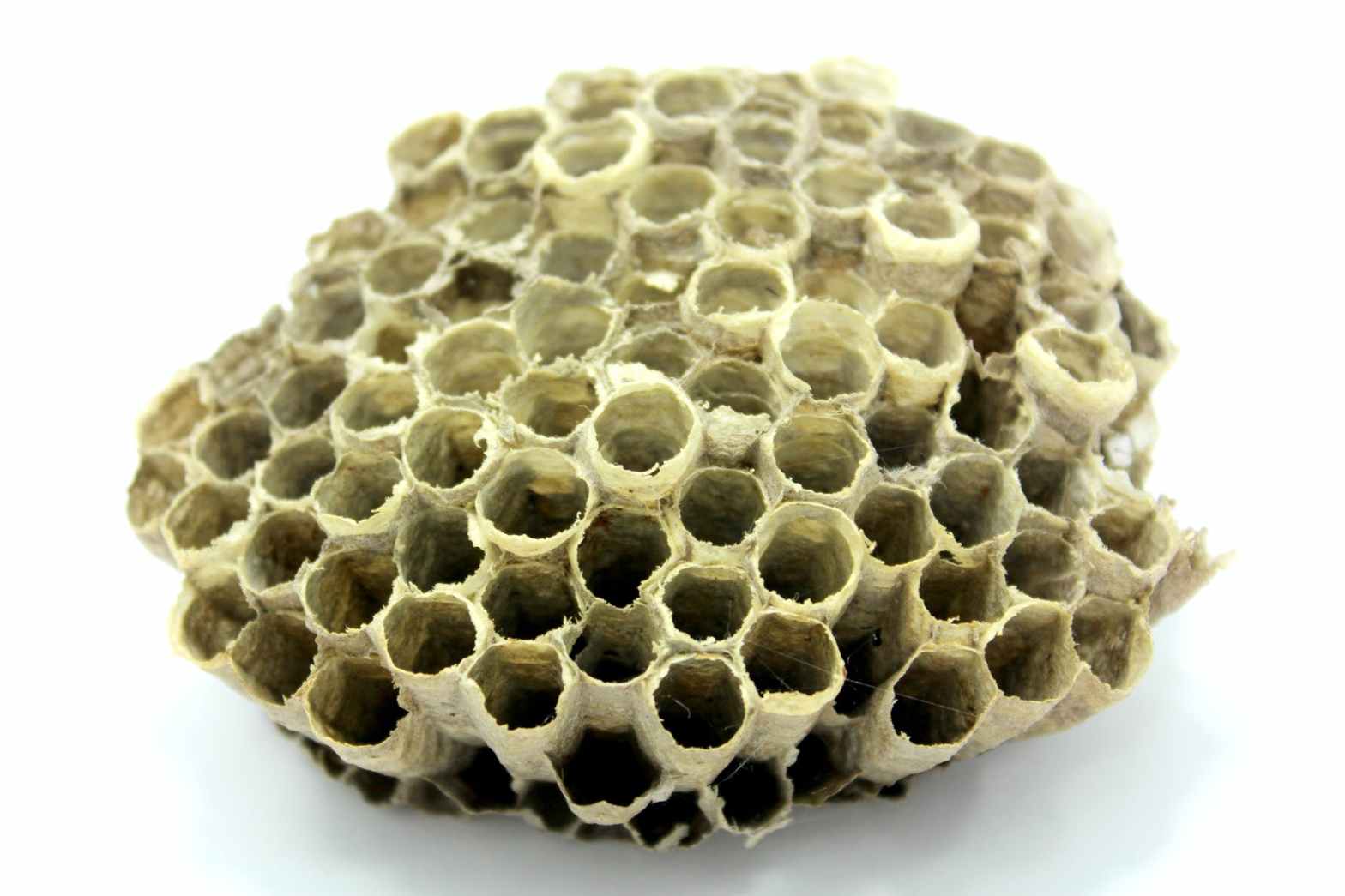
BY TIFFANY HIGGIN September 2016 Oh my, oh my, I lose myselfI study atlases and cirrus pathsin search of traces of it, of you Of that thing, of that song I keep pressing my ear to the current of air to hear … I hear it and it disappears It was all I wanted to doContinueContinue reading “Dance, Dance, While the Hive Collapses”
Lavender + Bees
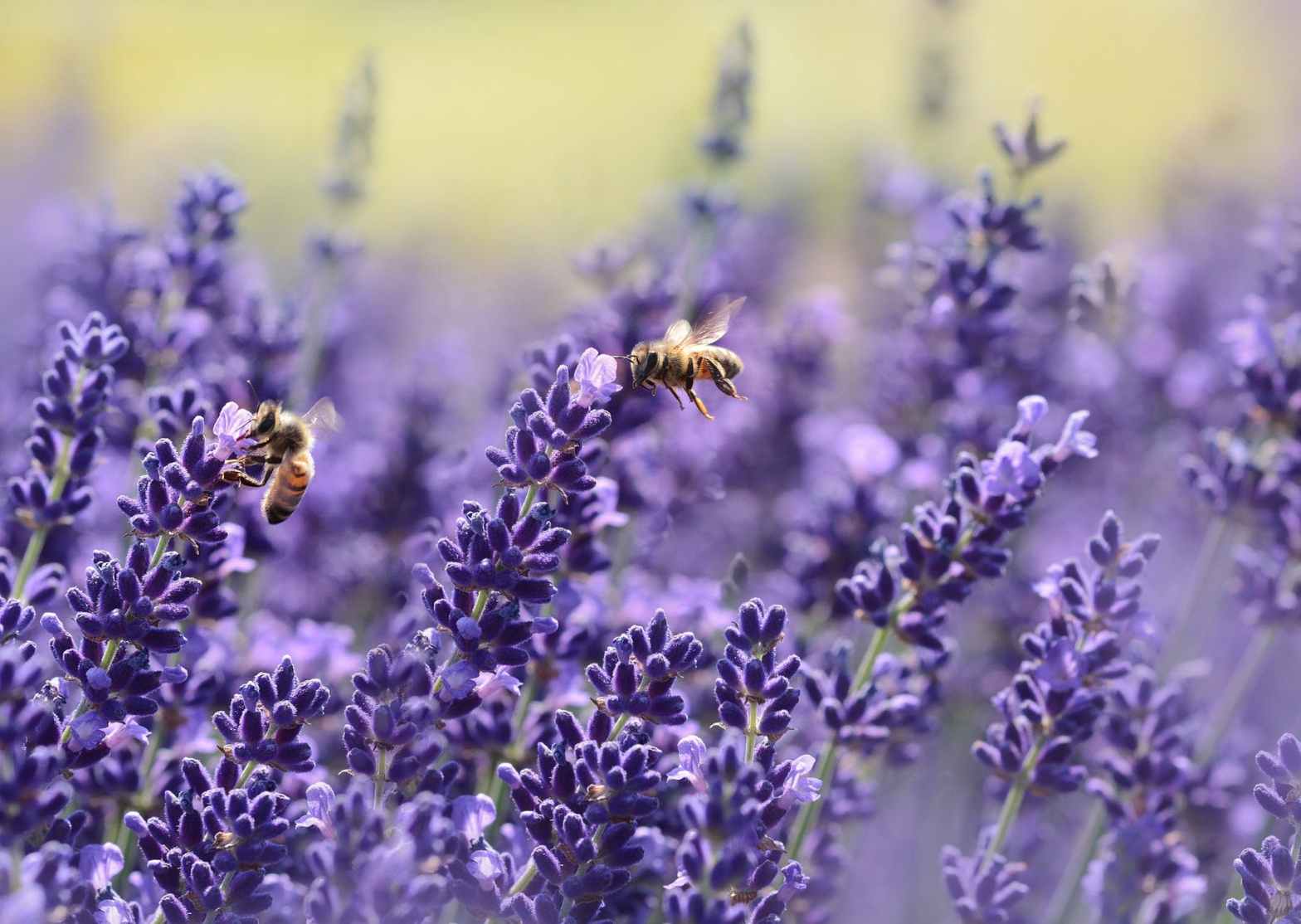
First off, lavender, as many claim, is a bee magnet. It’s essential for gardeners to plant lavender seeds or let wild lavender grow. The plant has both nectar and pollen to feed the bee. Lavender blooms during the midsummer period, where bees are at their busiest season, so it is a huge benefit. Bees areContinueContinue reading “Lavender + Bees”
 Bee The Change