

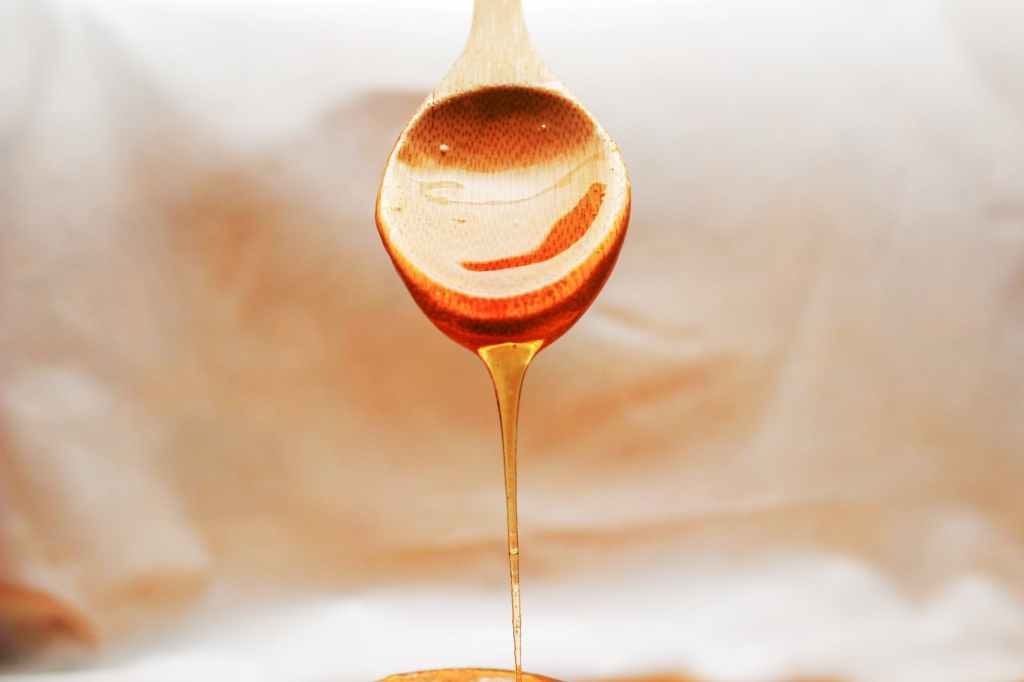
Have you ever noticed that in every fine Greek dish, honey is THE ingredient. It is what defines baklava, pastries, and pancakes. Honey is glued to the history of Greece, especially during their ancient times, where they rise from their greatness.
Sweet Beginnings
In Greek, “Mele” is the word for honey. And “Melissa” is the word for honey bee. Since the ancient times, honey has been favored among the people, both as food and medical treatment. The Greek “Father of Medicine”, or Hippocrates, once wrote, “Honey and pollen cause warmth, clean sores and ulcers, soften hard ulcers of lips, heal carbuncles and running sores.” Not to mention, the infamous philosopher and student of Socrates, Aristotle, claimed honey prevented aging, as well as prolonged life.
Greece is where the art of beekeeping, or apiculture, began in early prehistoric times. Precisely the 5th century BC or later, archaeological evidence shows that bees were kept in ceramic beehives—(large pottery jars).
Today Greek beekeepers still harvest by hand using the ancient traditional process. The process states to harvest anywhere from late spring until late autumn. The honey will be extracted cold, and is unfiltered to promise the various health beneficial properties in the nectar. As a matter of fact, honey was the first sweetener used by the Greeks in their diet. It was included in their preparation of delicacies -which is why it was so popular. Honey, among with grapes and olives, created the beginning of Greek gastronomy.
Honey Mythology
Honey has the largest mythological tradition in all the combined histories of the world. In Greek mythology, bees are the messengers of the gods and honey, being a reference of wisdom. Honey was also claimed to deliver extraordinary powers to its consumer. One example of this is in the Iliad and Odyssey of Homer- the ancient Greek bible. It was mentioned that the gods of Olympus lived on honey (nectar) and honey wine (ambrosia). Greeks used honey in their everyday life in consult to Zeus and the other gods, who were raised on honey.
Honey was the food and the drink of the gods, and since prehistoric times, honey was the most precious – and only – sweetener available. It was used as healing treatment and ointment, not only by the Greeks, but the Egyptians and Babylonians too.

Greek Honey
Greek honey is one of the most nutritional, natural food, rich with vitamins, amino acids, minerals and antioxidants. The unique mixture of ingredients of Greek honey claims to prevent fatigue and enhance athletic performance.
Greece proudly boasts more bee hives “per acre” than any other European country. You can find the best honey from Greece in “Thyme” (Thimari in Greek). It is considered to be the best honey in the world, preferred by honey connoisseurs.
The success to such great honey includes the endless summer sun, biodiversity among the Greek countryside, and rare-variety of Greek Flora grown nowhere else on the planet. Earth scientists and botanists conclude Greece, the country with the most abundance in flora of the Mediterranean Sea (including more than 7,500 plant species, wild flowers, herbs, trees, and overall biodiversity) , is the best place to consider beekeeping, and value the honey traditions.

Greek Recipes
Teganitai:
(Ancient Greek Pancakes)
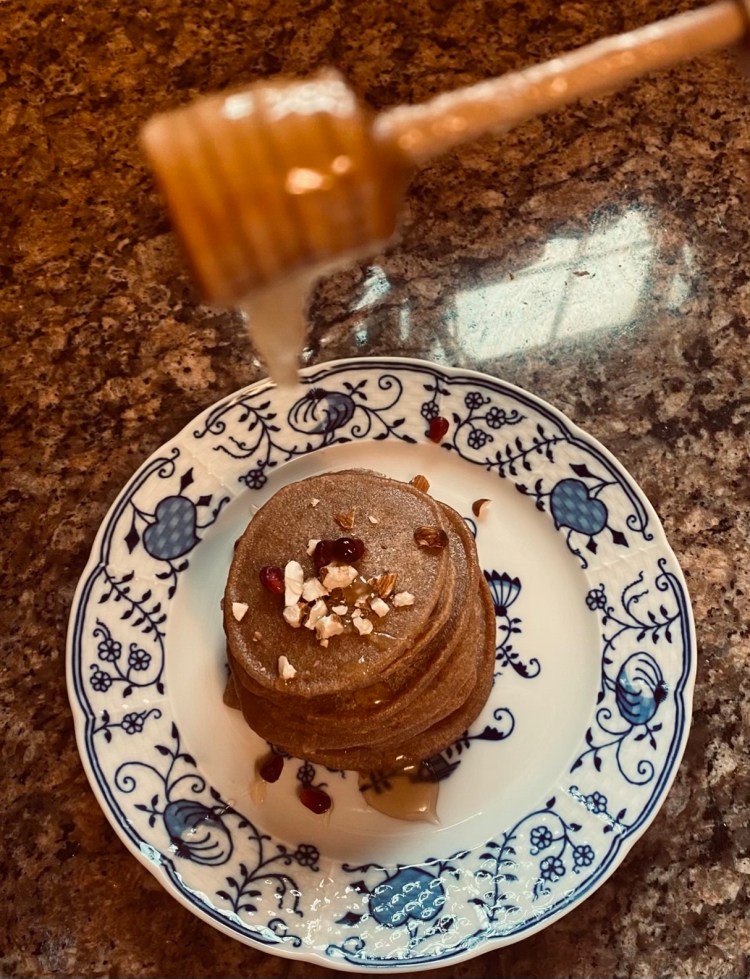
In Greece, pancakes are called tiganites, and have existed since hundreds of years ago. In the ancient times they called pancakes Teganitai, topped with toasted sesame seeds, pomegranate, cheeses, and walnuts. Plus, they made it with just 4 ingredients. The Greek physician Galen wrote a book called “De alimentorum facultatibus”, (On the properties of FoodStuff) between the years 207 CE to 216 CE. He mentioned how to make tiganites. It is believed that a version of these tiganites, combined with currants, walnuts, honey, and cinnamon, was the first ever documented pancake. This recipe will contemplate Galen’s process to make these popular hot cakes. Take a dive into Greek Ancient history by using flour, water, oil, salt, and honey.
The Ingredients
- 1 cup of wheat flour
- 1 cup water
- 2 tbsp. honey (plus extra for topping)
- Pinch of salt
- Olive oil for frying
- Optional: 1-2 Tbsp. sesame seeds, pistachios, pomegranate, feta/goat cheese, and walnuts
Step 1:
“The oil is placed in a frying pan that is placed on a smokeless fire, and when it has become hot the wheaten flour, soaked in a large amount of water, is poured into it….It is obvious that this has thick juice, restrains the stomach and gives rise to crude humors. This is why some mix honey with it, and there are those who also mix in sea salt.“
-Mix the water, flour, and honey until silky. Heat olive oil on a stove at medium heat.
Step 2:
“When cooked in the oil it rapidly sets and thickens, resembling soft cheese solidifying in wicker baskets. At this point those making it turn it to bring the upper surface underneath, in contact with the pan, bringing what was previously underneath, which has been sufficiently cooked, to the top; when the under part is now set, they turn it again, perhaps two or three times, until it seems to them that the whole has been cooked evenly.“
-Measure 1/4 of batter into the pan, and fry for 4 minutes evenly on both sides until golden brown .
Step 3:
“For that reason those unleavened sweetmeats which they bake in a kribanos and immediately remove and put into warm honey, so that they are saturated with it, are also a type of flat-cake; and so too are all such items made with honey“
-Serve either with drizzled honey, sesame seeds, pomegranate, berries, and crumbled feta cheese.

bon appétit —
καλή όρεξη
 Bee The Change