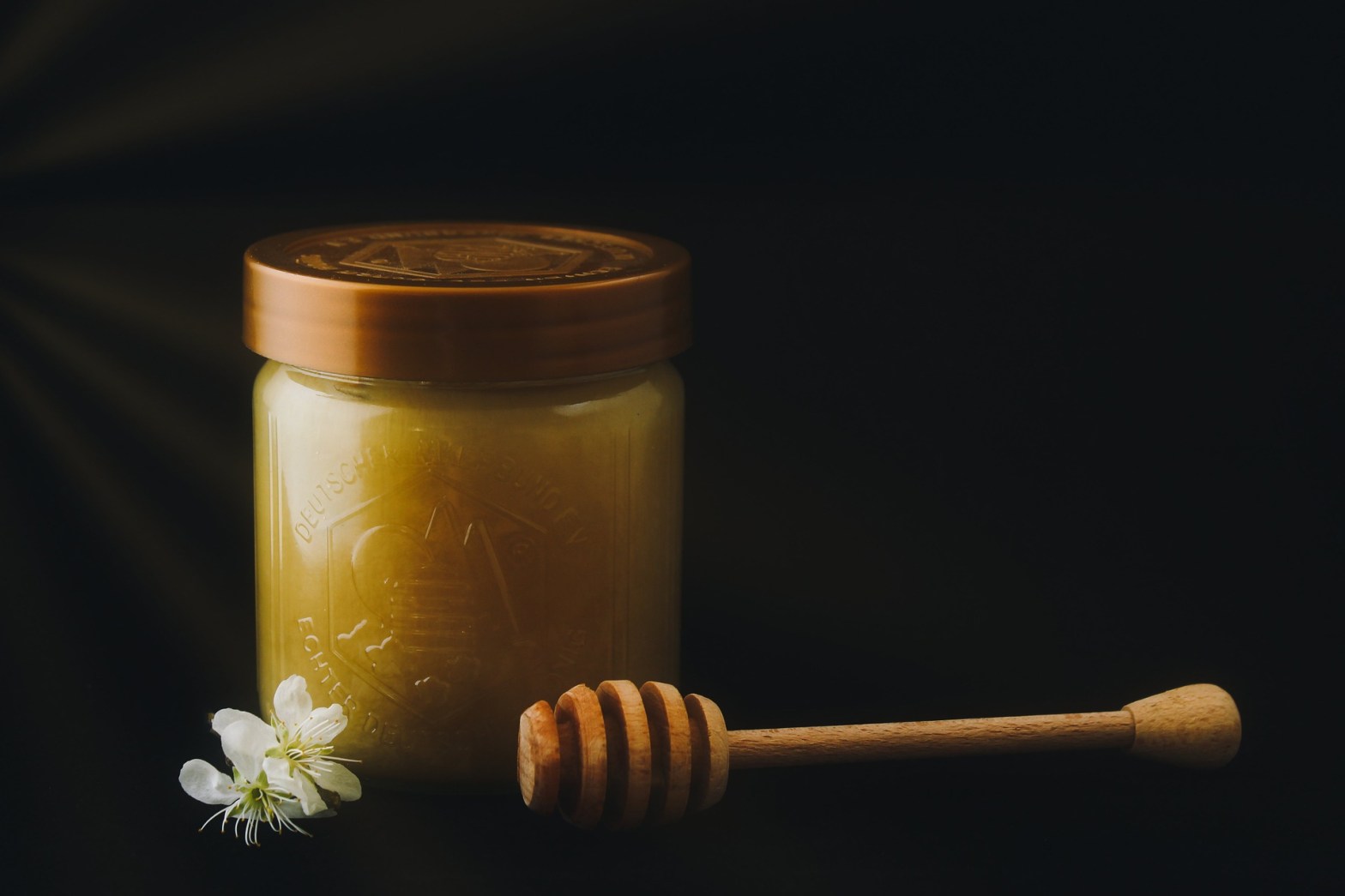
It is known that the Wise Men brought three gifts to Jesus Christ; gold, frankincense, and myrrh. However, it is also said that the men also brought “a little bit of honey and almonds” to the newborn, as a sign of blessing and God’s abundance.
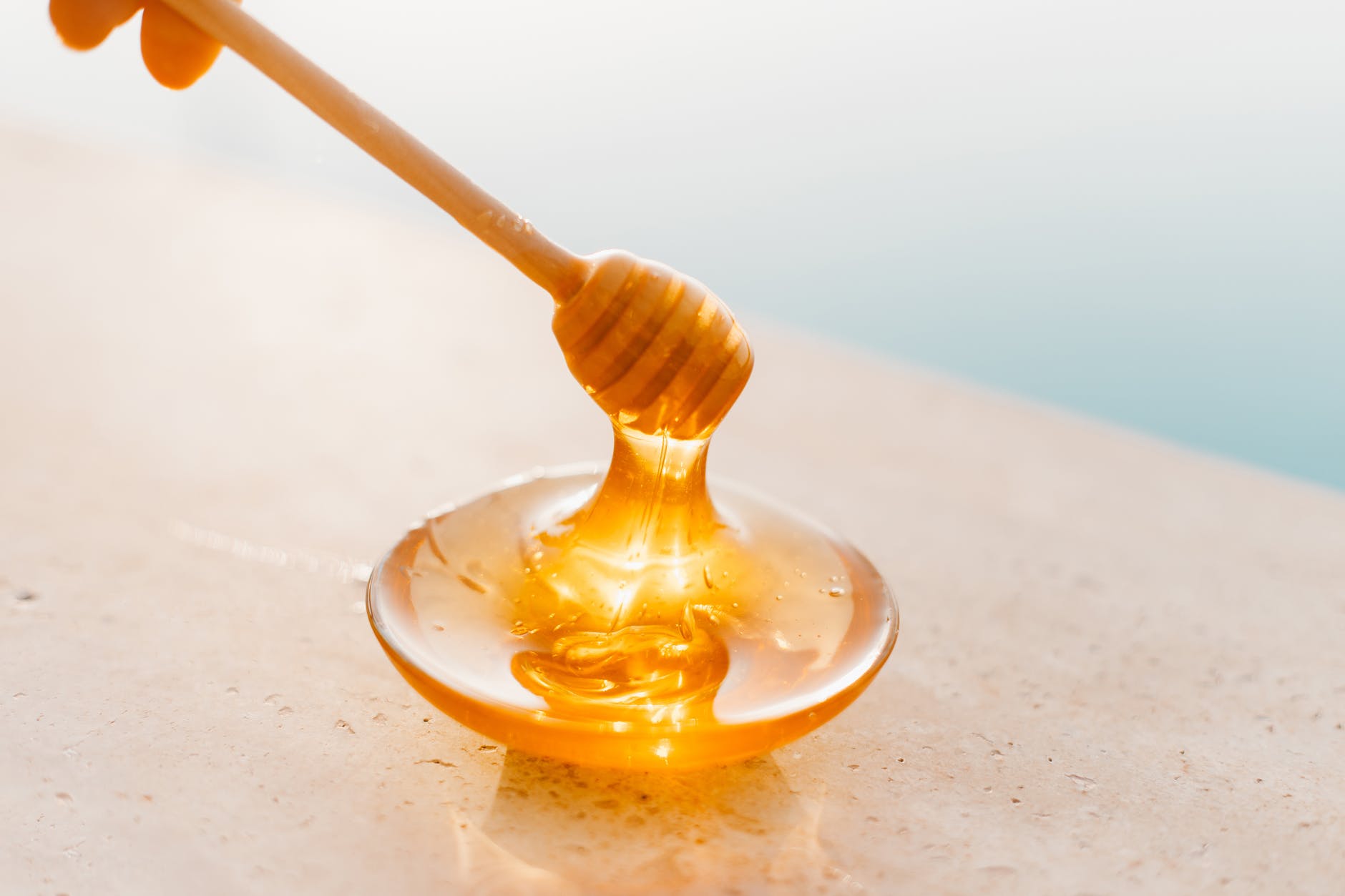
Honey is a renowned and treasured commodity that enriches many holiday festivities through its application in specific recipes and cultural traditions. Consider giving the gift of honey to your loved ones, friends, neighbors, or coworkers for Christmas, Hannukah, or Kwanzaa. Honey has long been associated with sweetness, good health, and success, and these are lovely New Year’s wishes to pass on to others.
Genuine raw honey never goes bad. This means this is a precious, memorable gift to give to your loved ones for generations. And I mean generations. Honey is a luxury that has been passed down from generation to generation since ancient Egypt. Many cultures have incorporated honey into their Christmas celebrations over time. It has become an important element of church activities in nations such as Greece and Russia. Honey is also a popular addition to many European families’ Christmas Eve dinners.
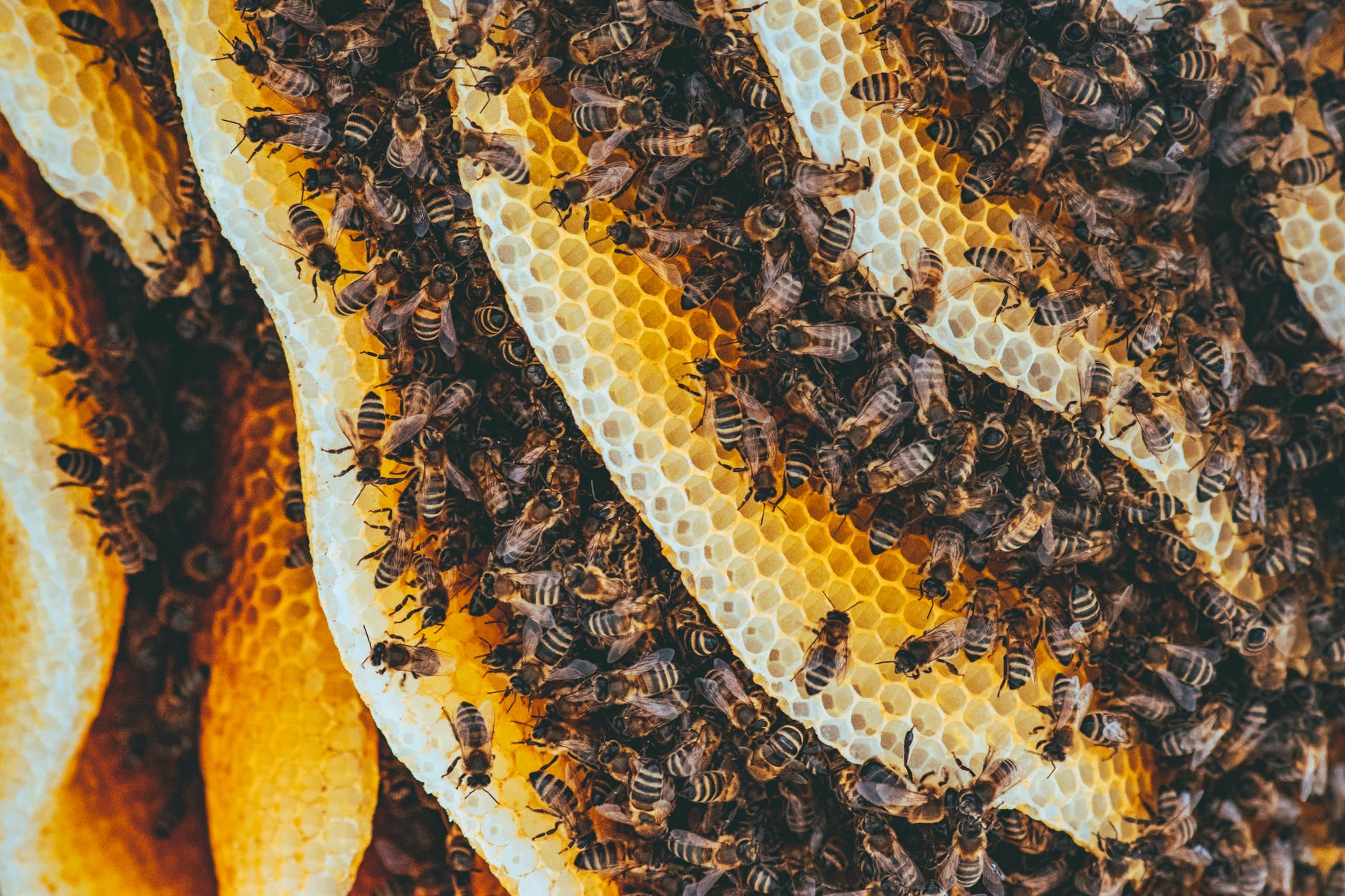
To produce one pound of honey, the colony’s bees must visit 2 million flowers, travel 55,000 miles, and it is the equivalent to the lifetime work of 768 bees.
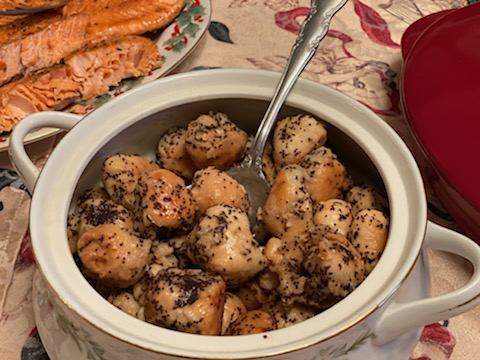
In my family tradition in Slovakia, during Christmas time, honey was also a tradition incorporated. Before having the supper on Velija or Christmas Eve and lighting the candles, the mother of the family would make a cross with honey on each of the family member’s forehead to protect against the evil. To start the meal off, they would dip a special wafer into honey with a garlic clove. The honey represented the sweetness of life and the good, with the health of the bees, and the garlic was symbolized to scare the bad spirits away. In some villages, the father would slice an apple for all the people at the table. If a person seed was cut, it meant that they would die next year. The next food served was bobalky (also spelled bobalky, babalki, babalky). They were small bread balls, with a sugar glaze and topped with poppy seeds. Up to Christmas Day, traditionally the Slovaks are fasting (St. Phillips Fast), so this supper does not include any meat or dairy products. Instead of the creamy milk and butter, bakers substitute with water.
Sometimes bobalky were served with saurekraut and onions. Instead of sugar, we have honey.
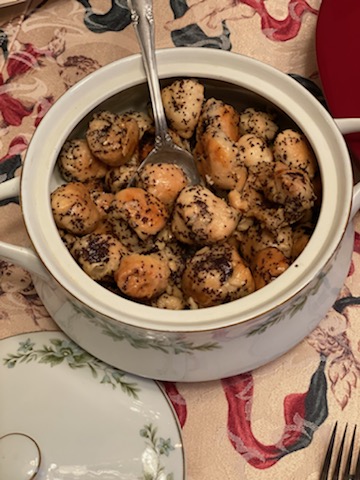
Below is a recipe for honey bobalky:
Dough Yeast
- 2 cups of water
- Pinch of salt
- 2/3 cups of vanilla sugar
- 5 tbsp of (canola) oil
- 2 active dry yeast packages
- 6 cups of flour
Glaze
- 1 cup of poppy seeds
- 1/2 cup of honey
Instructions
- Heat oven to 375 degrees farenheit.
- Measure the flour and pour into a bowl.
- Mix and disslove the yeast, with 1/2 cup of water and 1 teapsoon of sugar.
- Boil the water, sugar, salt, and oil in a medium saucepan. Make sure it cools before incoperating it into the mix.
- Gather a mixer and pour the dry ingredients, with the sugar-water mixture and yeast together. Stir and knead for 7 minutes by mixer, or 10 minutes by hand.
- Let it rise for 5 minutes.
- Knead by hand and roll it about an inch thick. Cut 1/2 inch apart to roll into small dough balls by hand.
- Place to balls on a parchment baking sheet with the dough balls touching eachother. Do not leave any space.
- Bake 15-20 minutes until lightly browned.
Make Glaze
- Pull the bobalky apart.
- Mix the honey and poppy seeds together and pour over the bobalky.
- Serve!
Only raw honey may be used to make exclusive treats like the Italian Honey Nougat. Nobles and princes have found it to be a luxury. The recipe for authentic Nougat is a kept secret, which only goes to illustrate how valuable honey is.
You’re providing more than nutritional benefits when you give honey as a gift this Christmas. You’ll be given a thoughtful present that celebrates the people you care about. It’s like liquid gold that seeps into the hearts of your loved ones. The best thing is that there’s a jar for everyone in the world. The global honey market was valued at around 8 billion U.S. dollars in 2020 and is projected to be worth 11 billion U.S. dollars in 2027.
The secret to making honey an excellent present is to ensure that it is genuine. You’re looking for pure, unprocessed honey. Make a local beekeeper’s holiday by purchasing their products and their hard work!
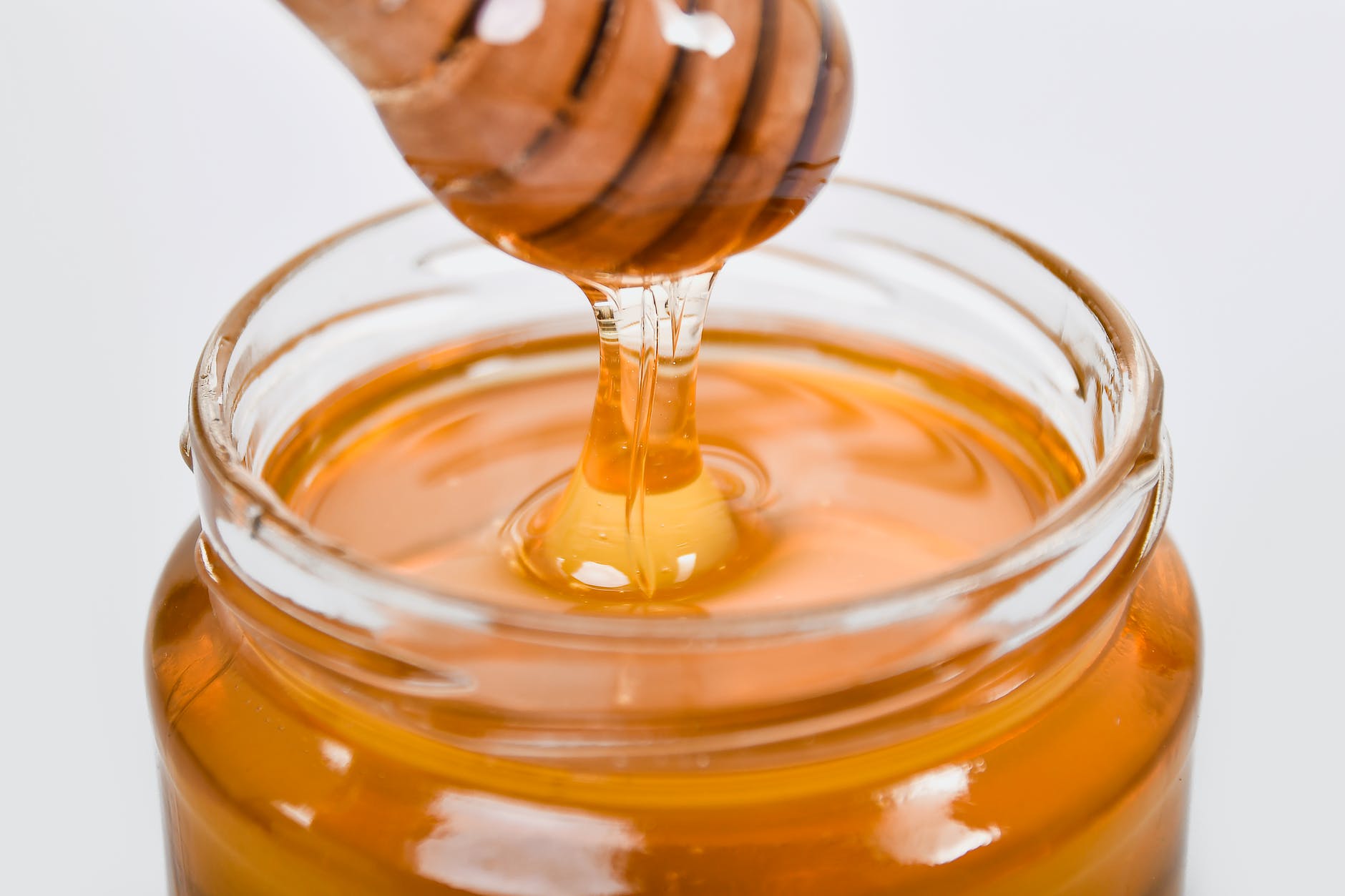
(Acacia Honey) to the deepest caramel (Avocado Honey), and every amber color in between. The mildest flavors and delicate tastes are usually found in lighter-colored honey. Darker honey has a stronger flavor and has a more robust flavor.
Despite the fact that not everyone celebrates the same things in the same way, the underlying message of peace and goodwill is something that can be shared by all. Many individuals appear to contribute more money around this time of year, but perhaps we should all offer our time, which is far more valuable. There are a variety of volunteer opportunities, and it’s also a great way for a group, whether it’s family, friends, or an organization, to unite.
Most bee clubs have a strong focus on public education and engagement, so now is the ideal time to get together as a group and give a honey cooking or baking lesson. Prehaps for experienced beekeepers, they can contribute to their community but donating their honey to local food pantries or as gifts to nursing homes, first responders, or anyone who can needs a little joy in their life.
 Bee The Change
Merry Christmas!

LikeLike