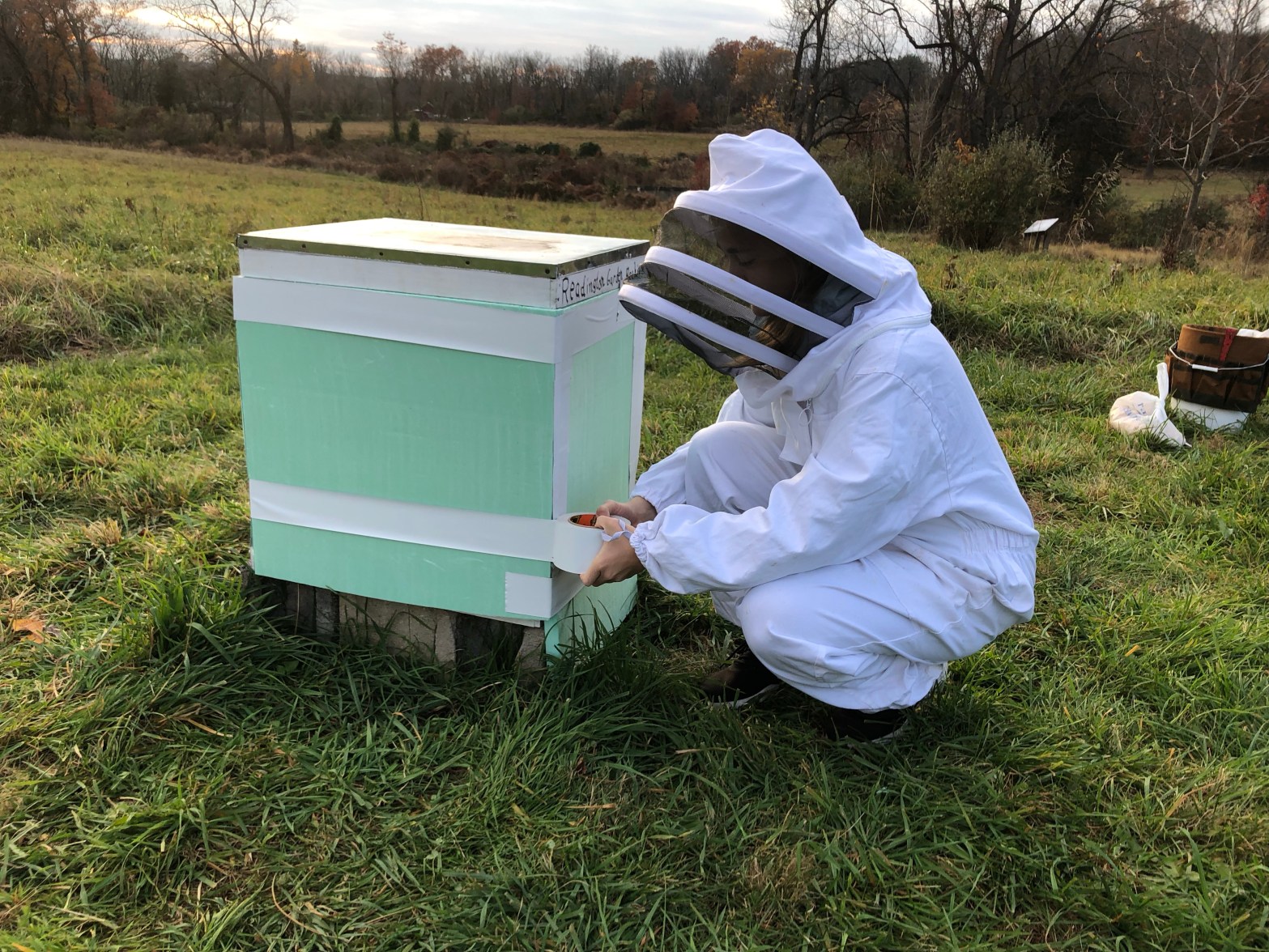
Want to bee-prepared for the winter months ahead? Start winter prepping by insulating your hive. The post will show you step-by-step instructions and provide a video demonstration from a master beekeeper.
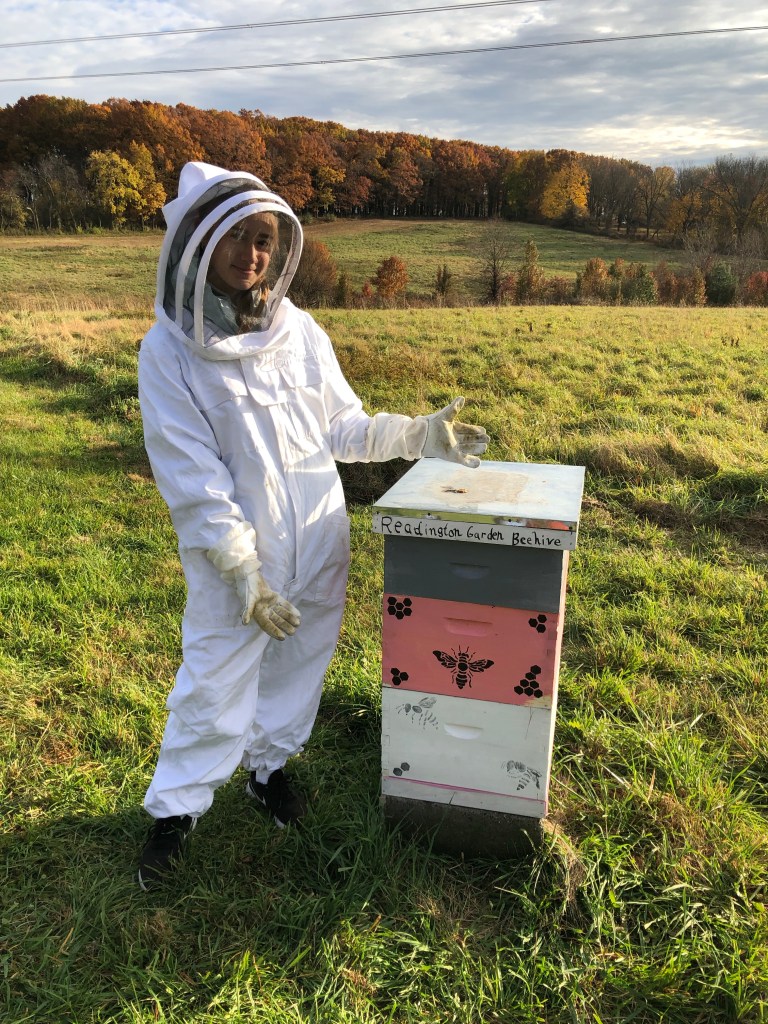
Why Insulate The Hive?
It guarantees that the beekeeper will have a colony to begin the new producing year. When wintering honey bee colonies have a large number of bees, they emerge stronger in the spring. Beehives can be insulated to avoid heat loss. In an insulated beehive, the bees use less energy to keep the hive warm.
“Nothing gives a person more confidence than to be zipped snuggly inside a bee suit.”
Sue Hubbell
Pros
- It’s simple to operate because it’s designed to look like standard telescoping top coverings for Langstroth beehives.
- Made with high-quality, long-lasting materials. The top cover’s craftsmanship is exceptional, ensuring that it lasts a long time, even when subjected to rigorous usage and the environment.
- It can be used in both the winter and the summer. This insulated top cover helps to maintain the heat inside the beehive in the cold. The telescoping top cover keeps the beehive cooler than the outside temps when the summer heats up.
Cons
- It is difficult for bees to feed themselves. Feeding a wintering honey bee colony necessitates the use of additional equipment.
- The edges of the beehive are not covered.
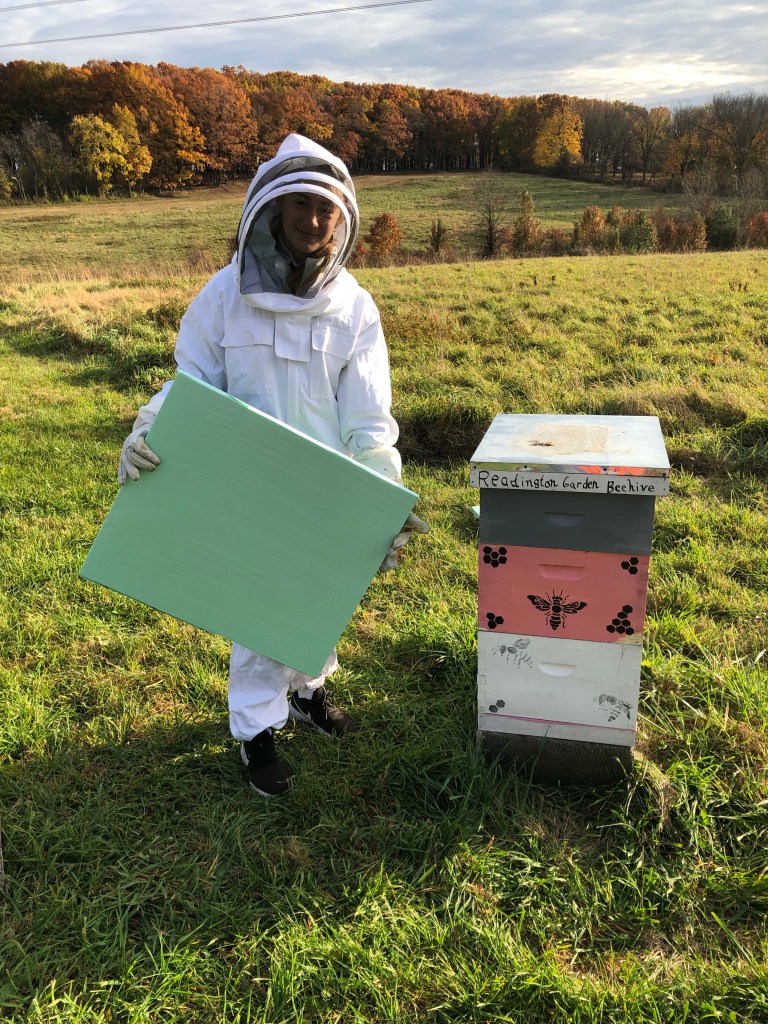
Supplies
- 4 ft x 8 ft sheet of 1 inch. thick styrofoam insulation
- 2 or more bungee cords (optional)
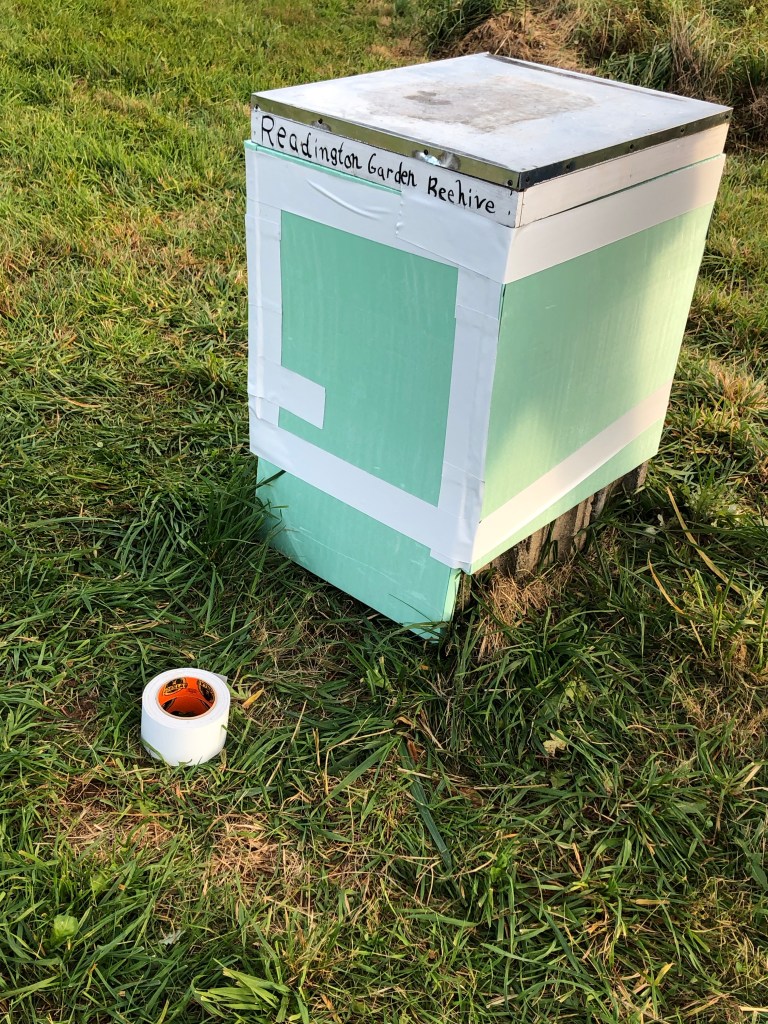
- Heavy Duty Tape
- Measurement Tape
- X-acto Knife or any long sharp knife
Where Can I Get Supplies?
Steps:
1. Measure Beehive!
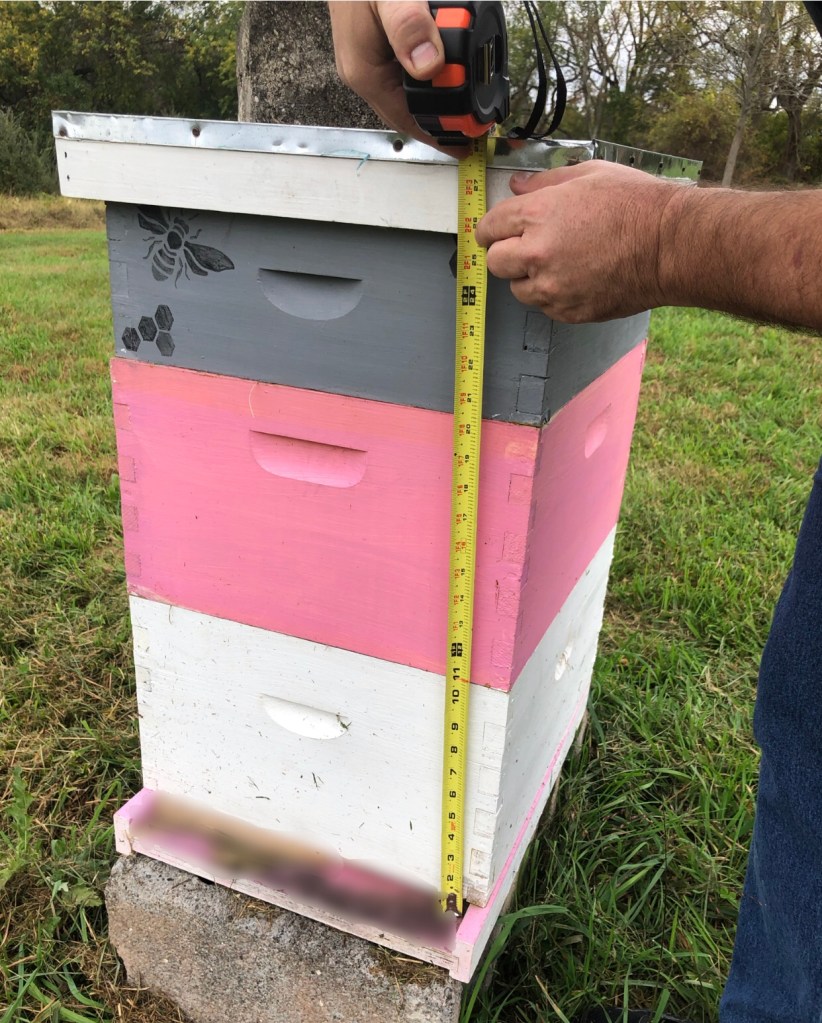
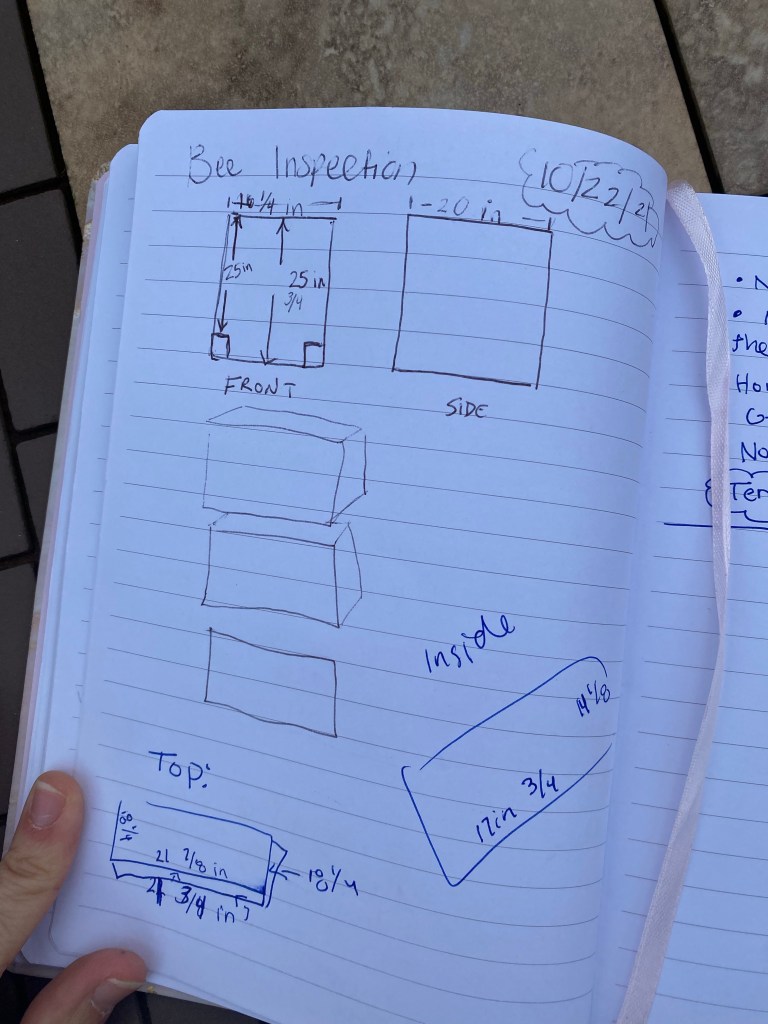
Measure the height of the front, the height of the back, and the height of one side. Measure the width of the front and one side of the hive. The two sides will have the same width and the front and back will have the same width.
Make sure you also measure the top cover to insulate it as well (on the inside). Remember in science class that heat rises!
2. Mark Measurements and Cut
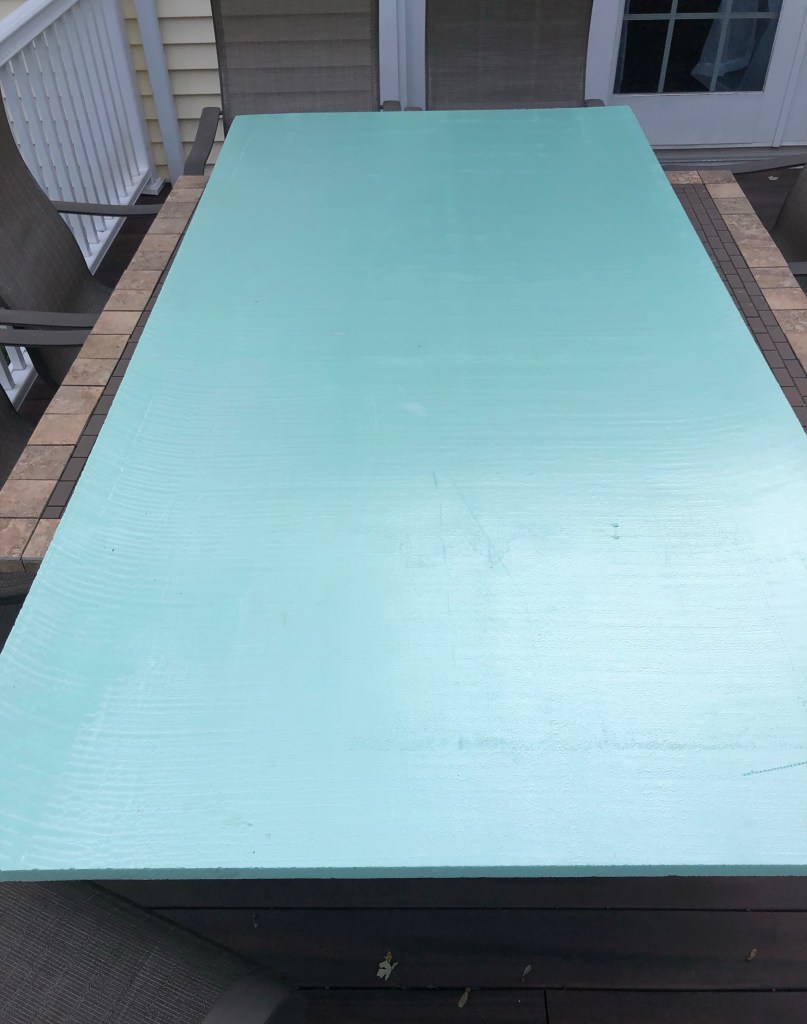
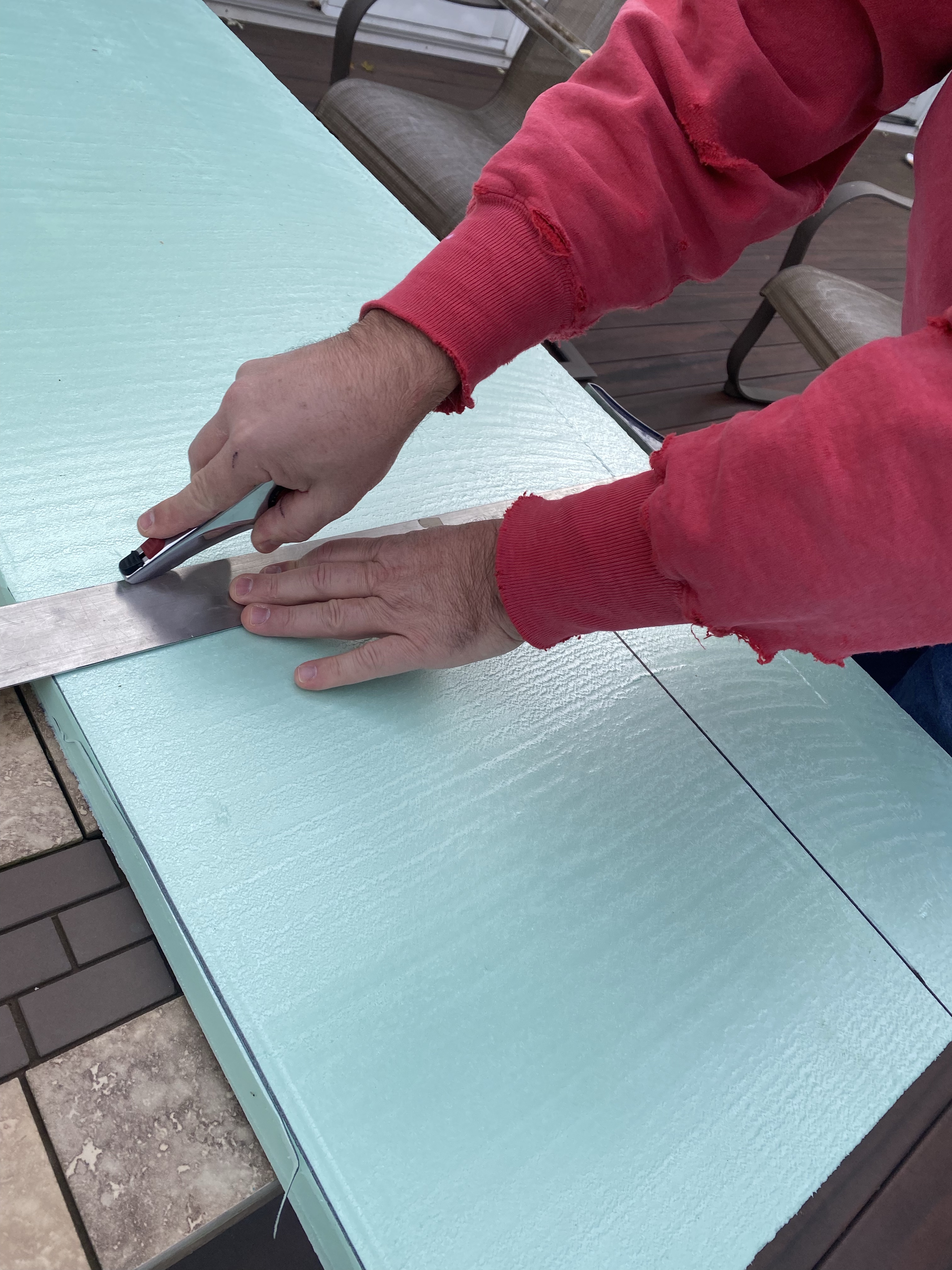
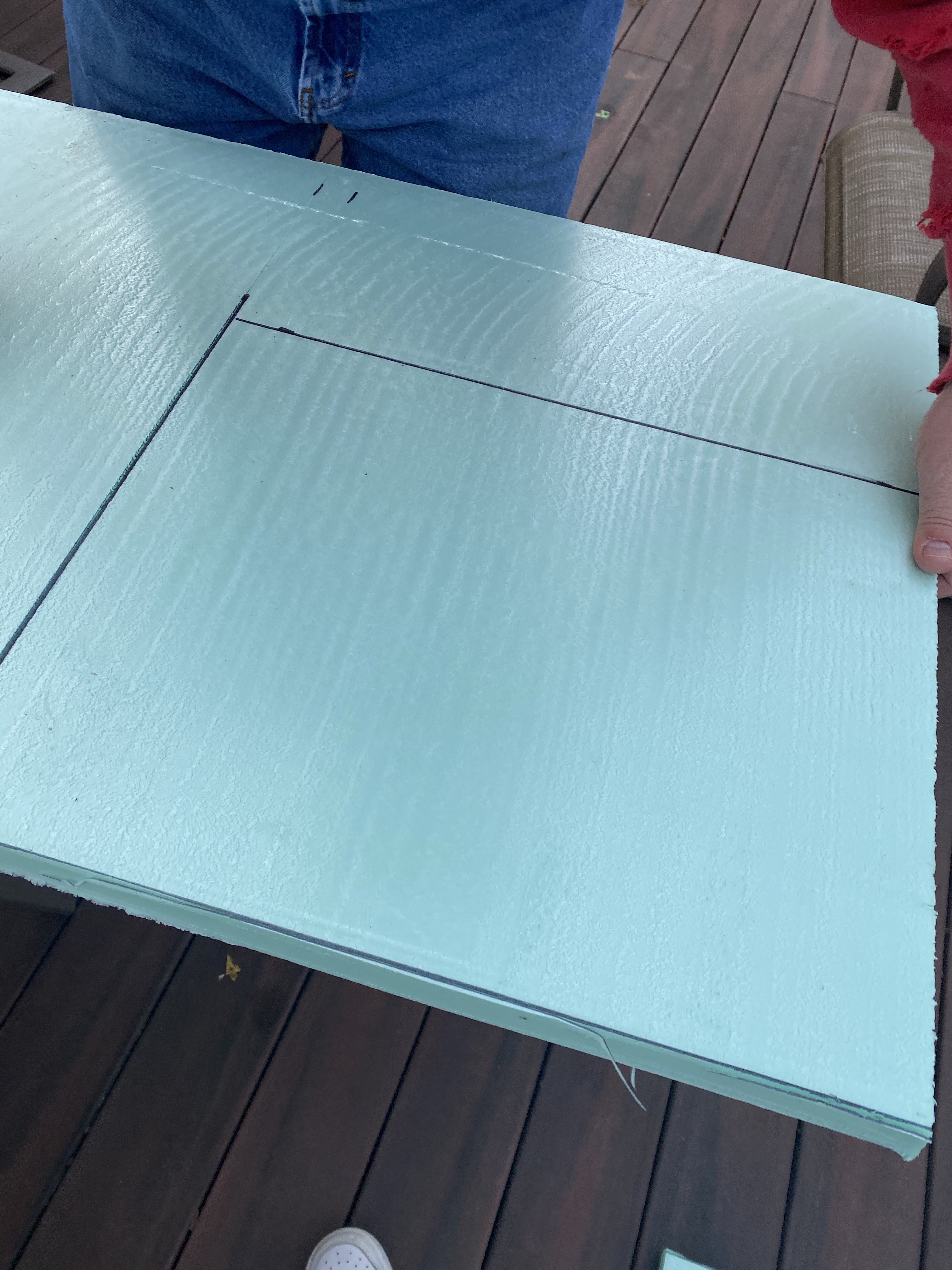
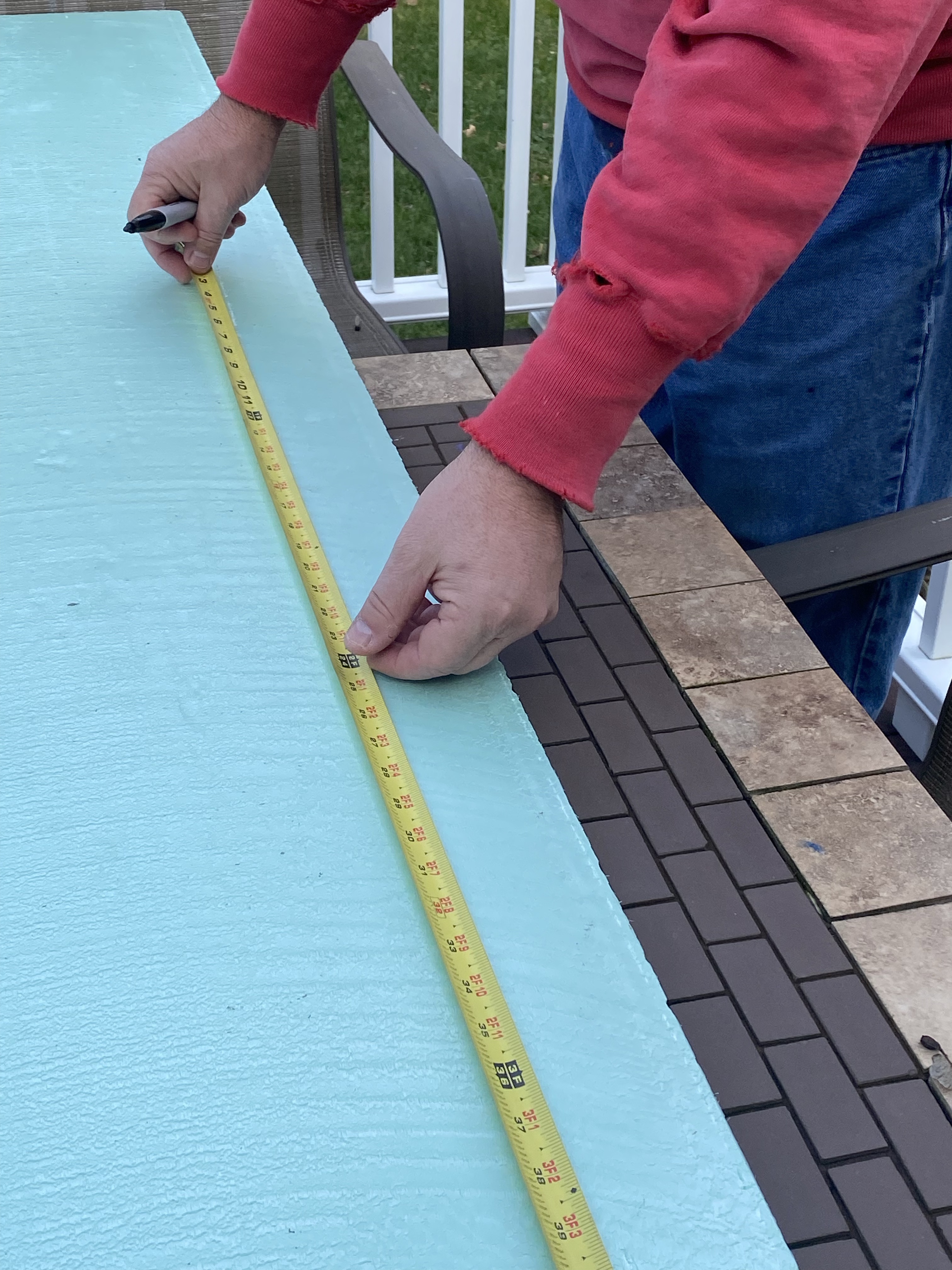
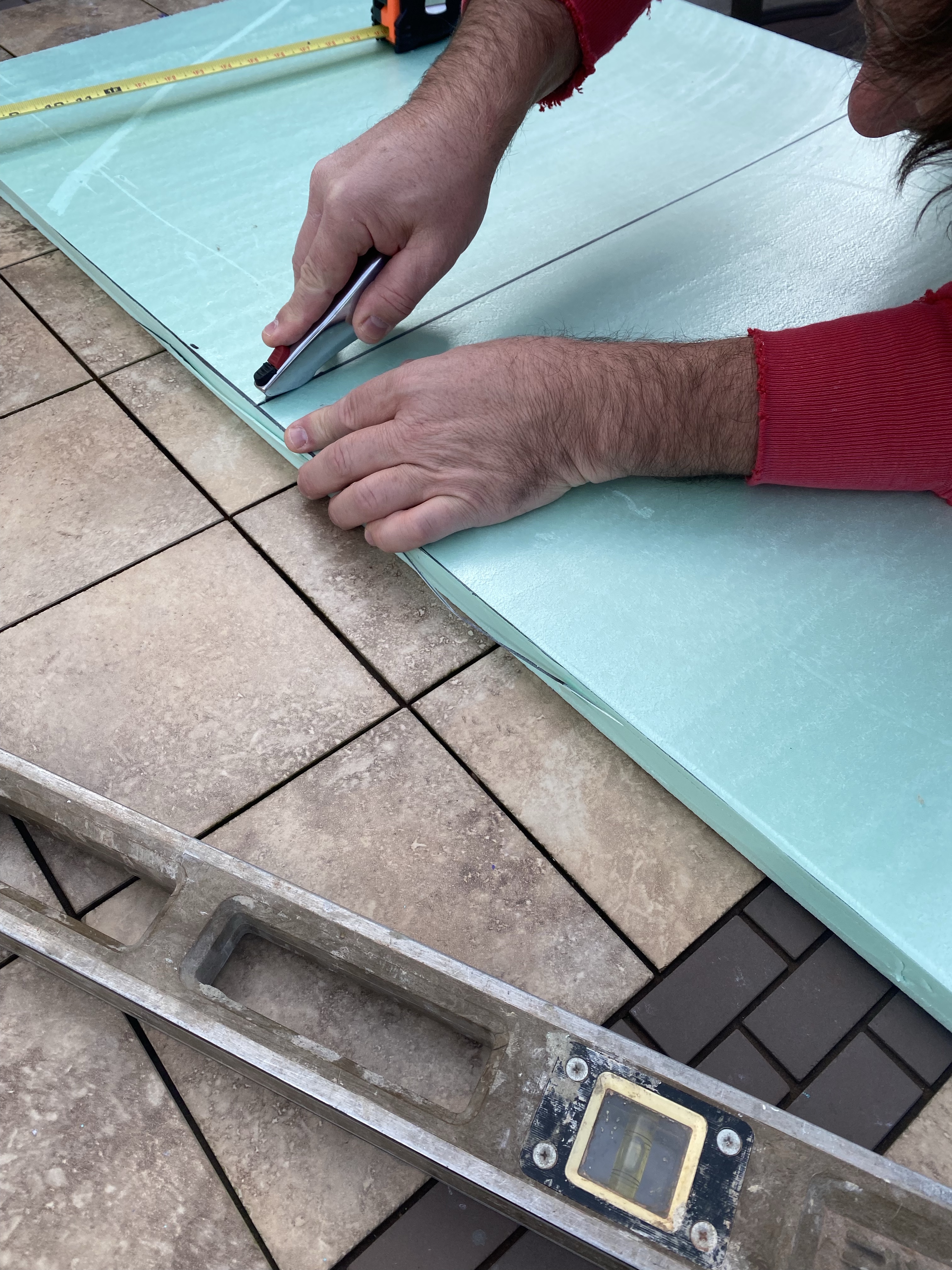
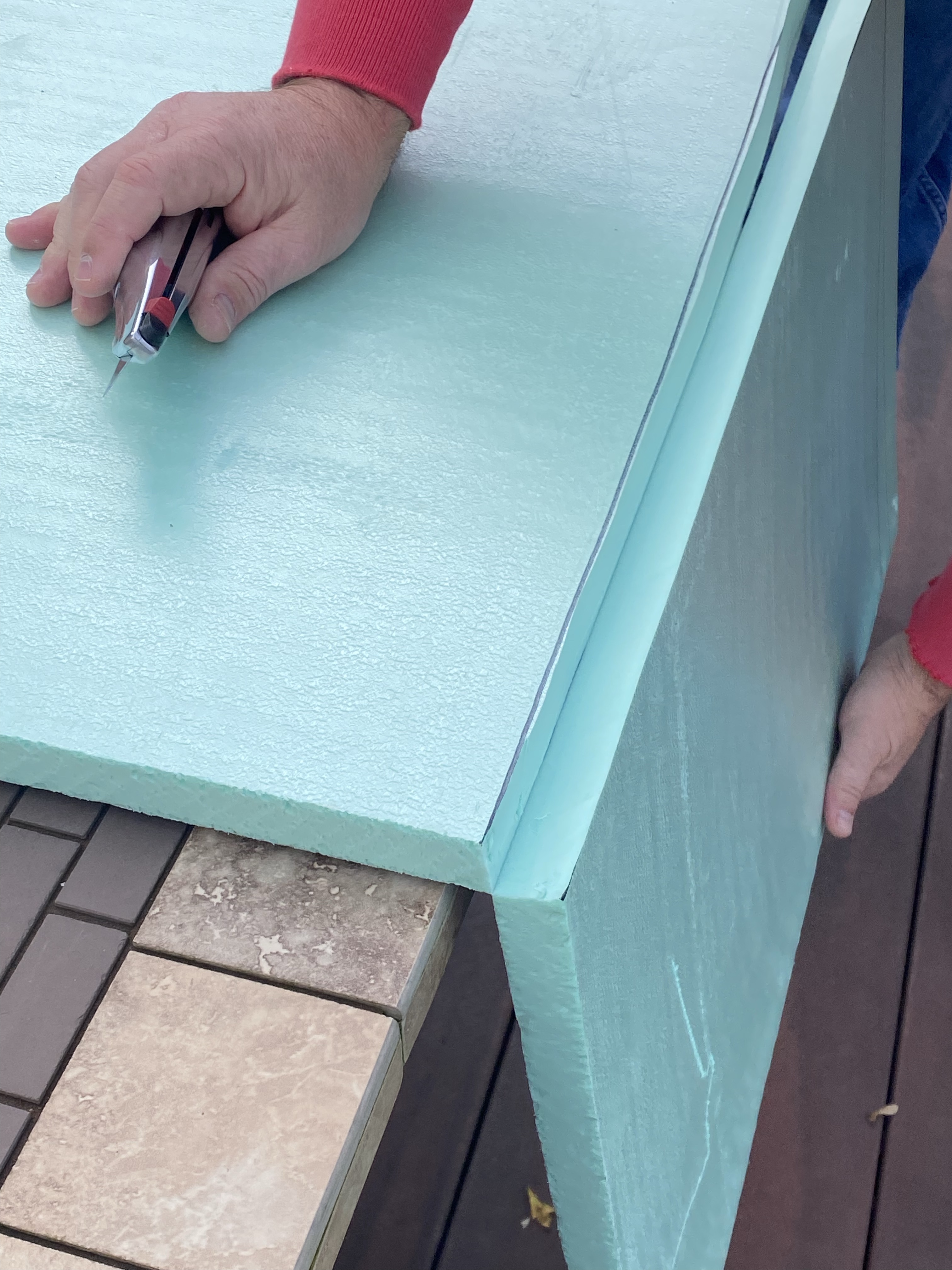
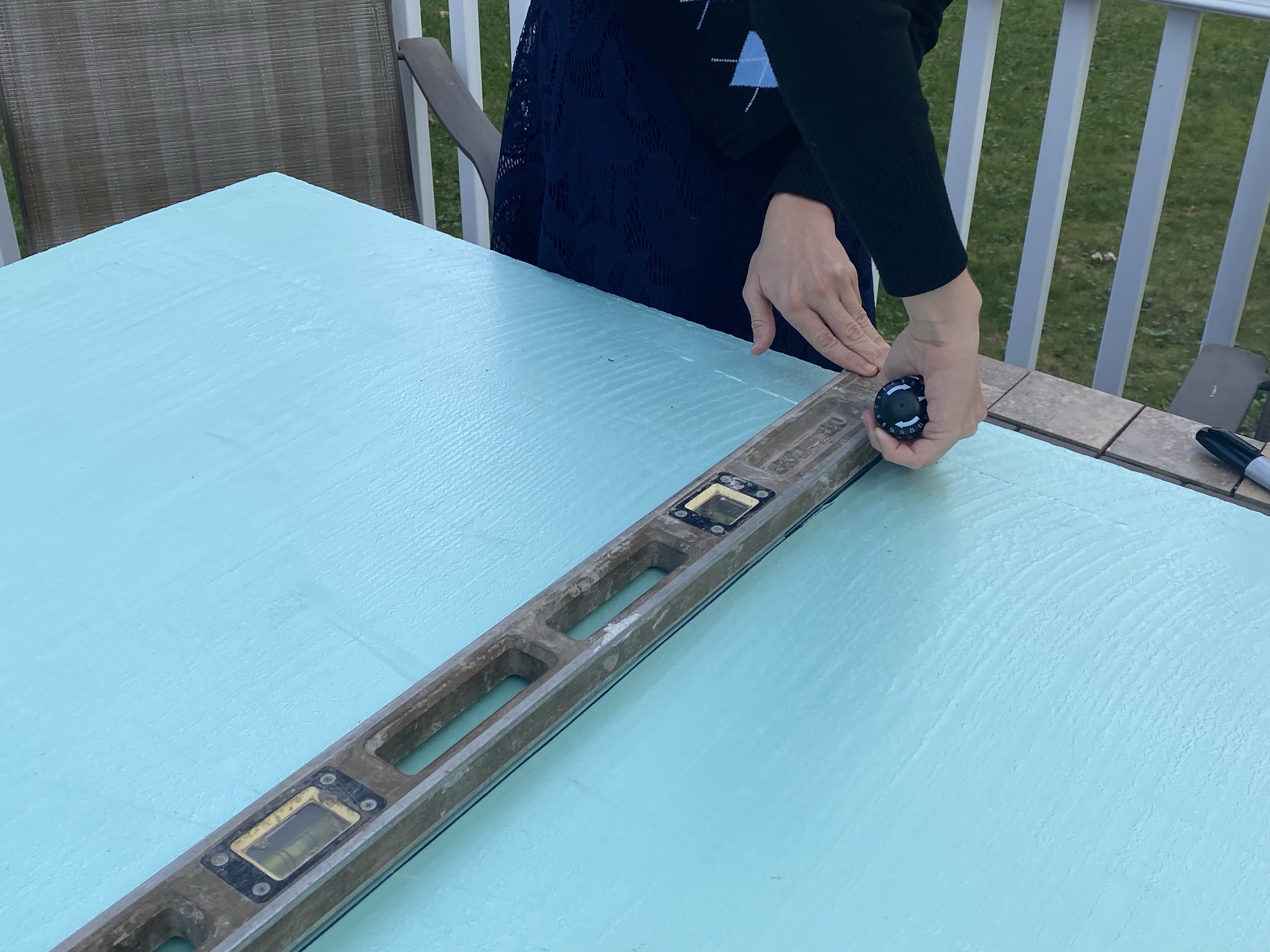
We measured our hive in inches at the site, so we marked our styrofoam with the same inches. Feel free to use whatever measurement suitable for you. We simply marked with a sharpie using our tape measure and cut the styrofoam area two times- to penetrate the styrofoam and then cut through the inch thick layer.

3. Tape and Apply
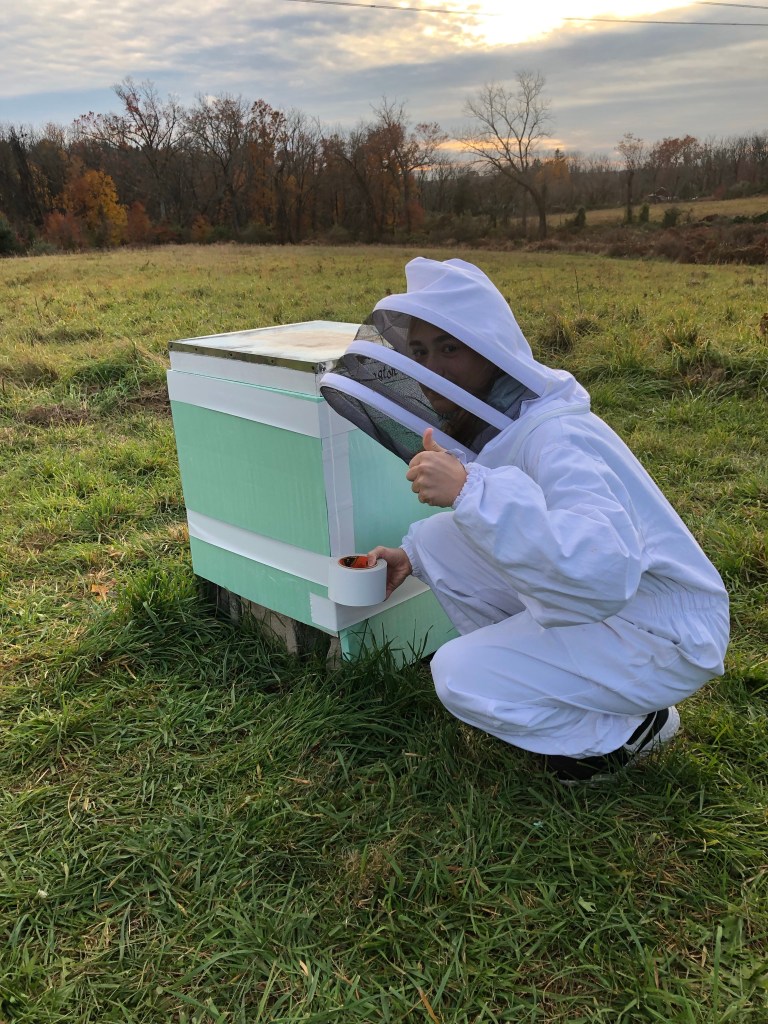
Make sure you insulate for the top cover!
Video Demonstration
New Jersey Master Beekeeper and President of the Raritan Valley Beekeeping Association , Tom Watkinson, demonstrates on how he insulates his hives and how you can too!
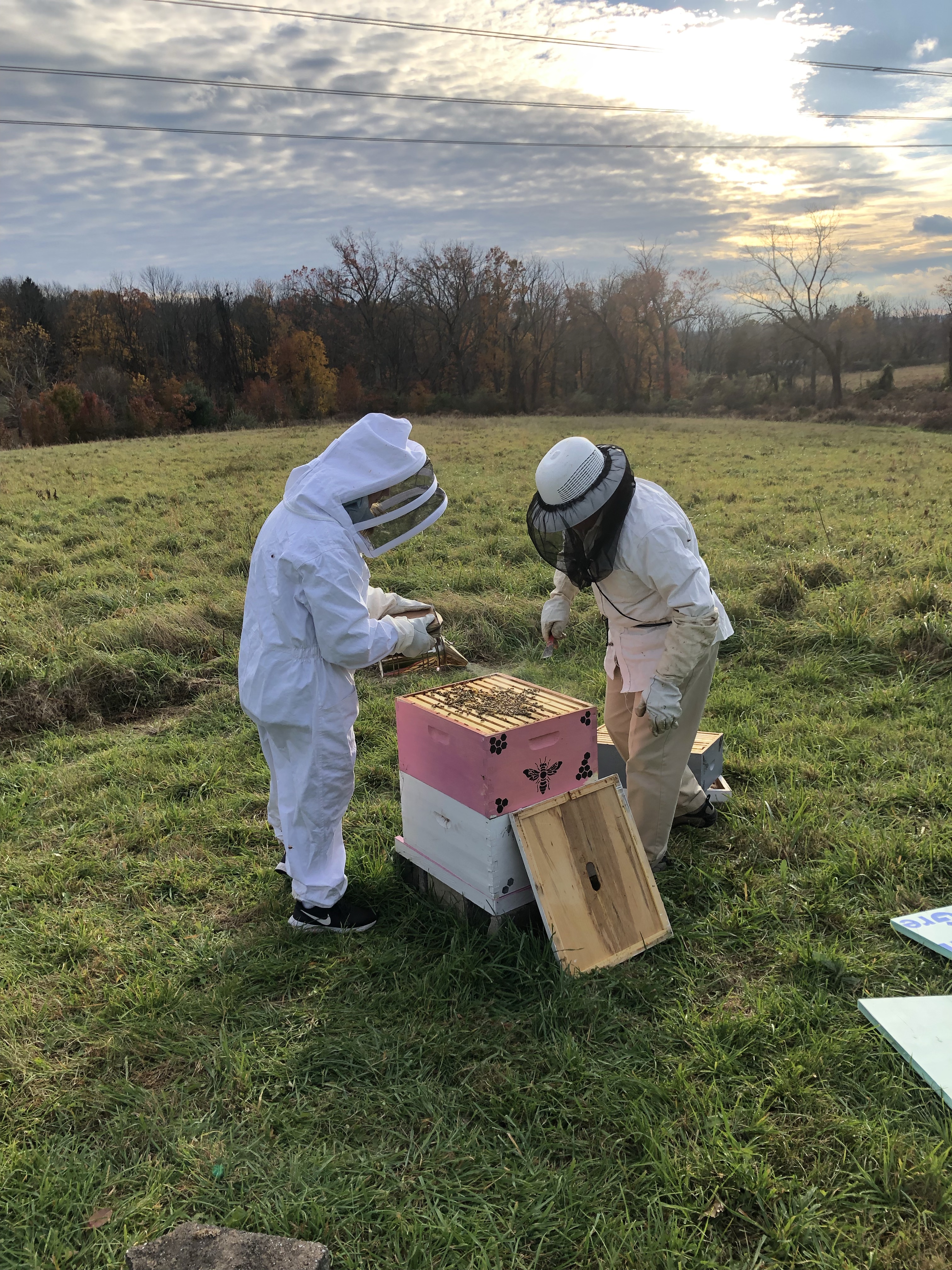
Bee Prepared This Winter!
 Bee The Change