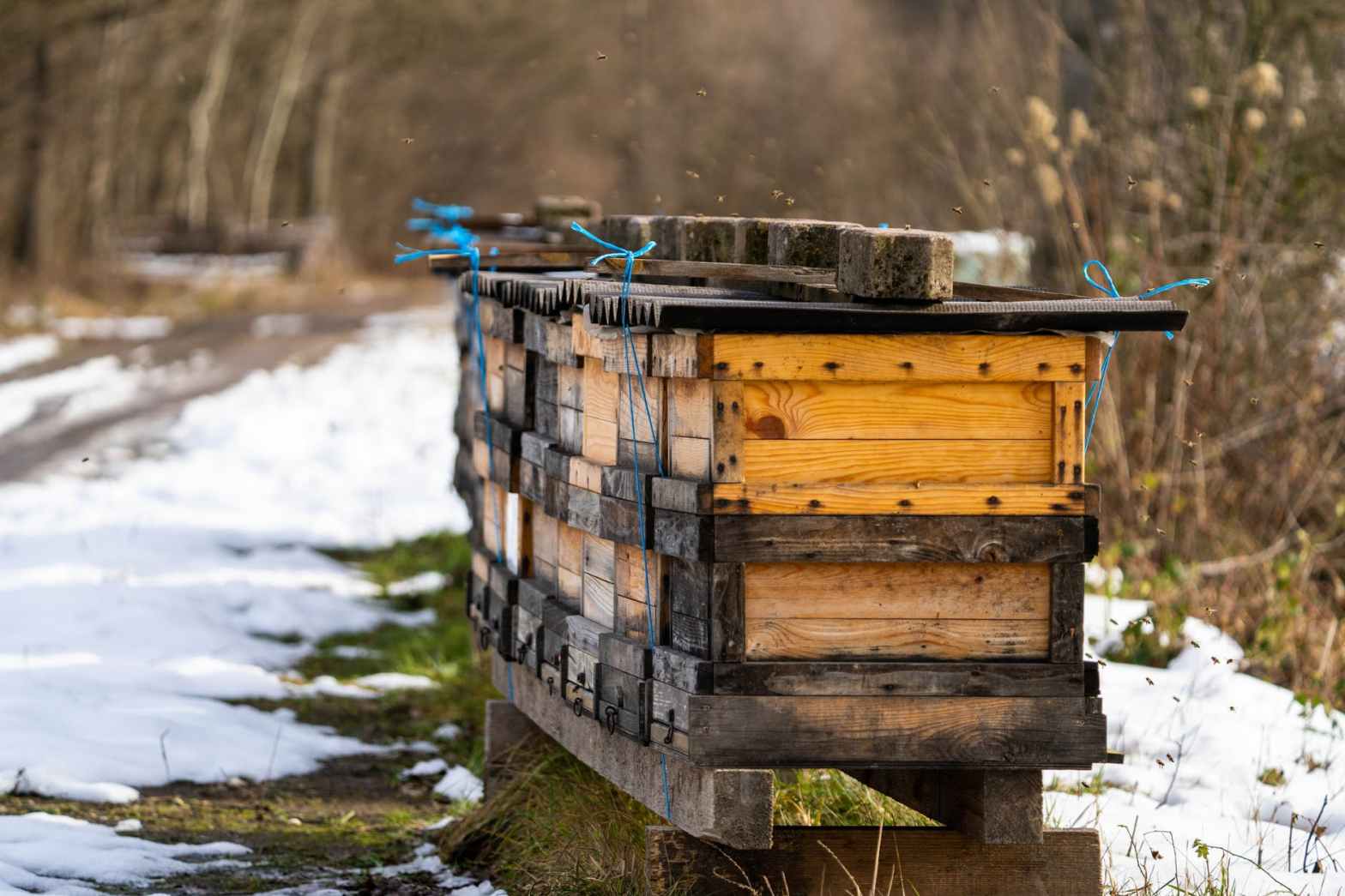

For the past decade, our most important pollinators have been in decline. Pesticides, diseases, and habitat losses are among the major impacts. Scientists described this phenomenon as Colony Collapse Disorder or CCD. This is where a majority of worker bees in a colony disappear. They will leave behind the queen, food resources, and larva.
Although CCD is still being researched, we know one fact. The youth can help. Our next generation depends on these pollinators, accessing the healthiest foods, beautiful landscape, and honey. Making bees our priority is not complex. It starts with exploring.

Here are 5 ways you can help:
Go wild
- Let a section of your garden or yard grow without mowing the lawn. This will not only attract bees, but butterflies and caterpillars as well.
Get your hands dirty
- Growing any type of garden can be time consuming, but even a small plot of land with a few seeds, can make the biggest difference. Some of the most favored plants of pollinators include (wild) lavender, sunflowers, borage, rosemary and even mint. Make sure to have diversity present in the garden, with different blooming times, colors, sizes, and shapes.
Help local farmers
- Next time at the grocery store, consider looking for organic produce. Organic farmers do not use chemicals or pesticides which harm bees. Also “bee” on the lookout for colorful vegetables and fruits. They contain vitamins, minerals, and nutrients that keep our body healthy.
Create a recyclable bee habitat
- Who knew that recycling could save lives. Apply a thin layer of hot glue to the bottom of a tin can or a plastic water bottle (make sure to cut off the top of the bottle). Place 2 toilet paper rolls where you wish inside the bottle or can. Fill up the empty space with straws until it is full and secure. Hang the can or bottle 3ft from the ground in a sunny area. This habitat will attract native mason bees, which are known to pollinate cherries and blueberries.
Bee respectful
Majority of people are scared of bees because of their stingers. But in fact, honey bees rarely sting, only if their lives are endangered. Stinging will cause more harm to them than us, since they will shortly die thereafter. As curious creatures, they might fly around you. Stay calm, and do not swat them. In a few seconds they will be out of your way and onto the next flower. “Bee” their friend, not their enemy.

 Bee The Change