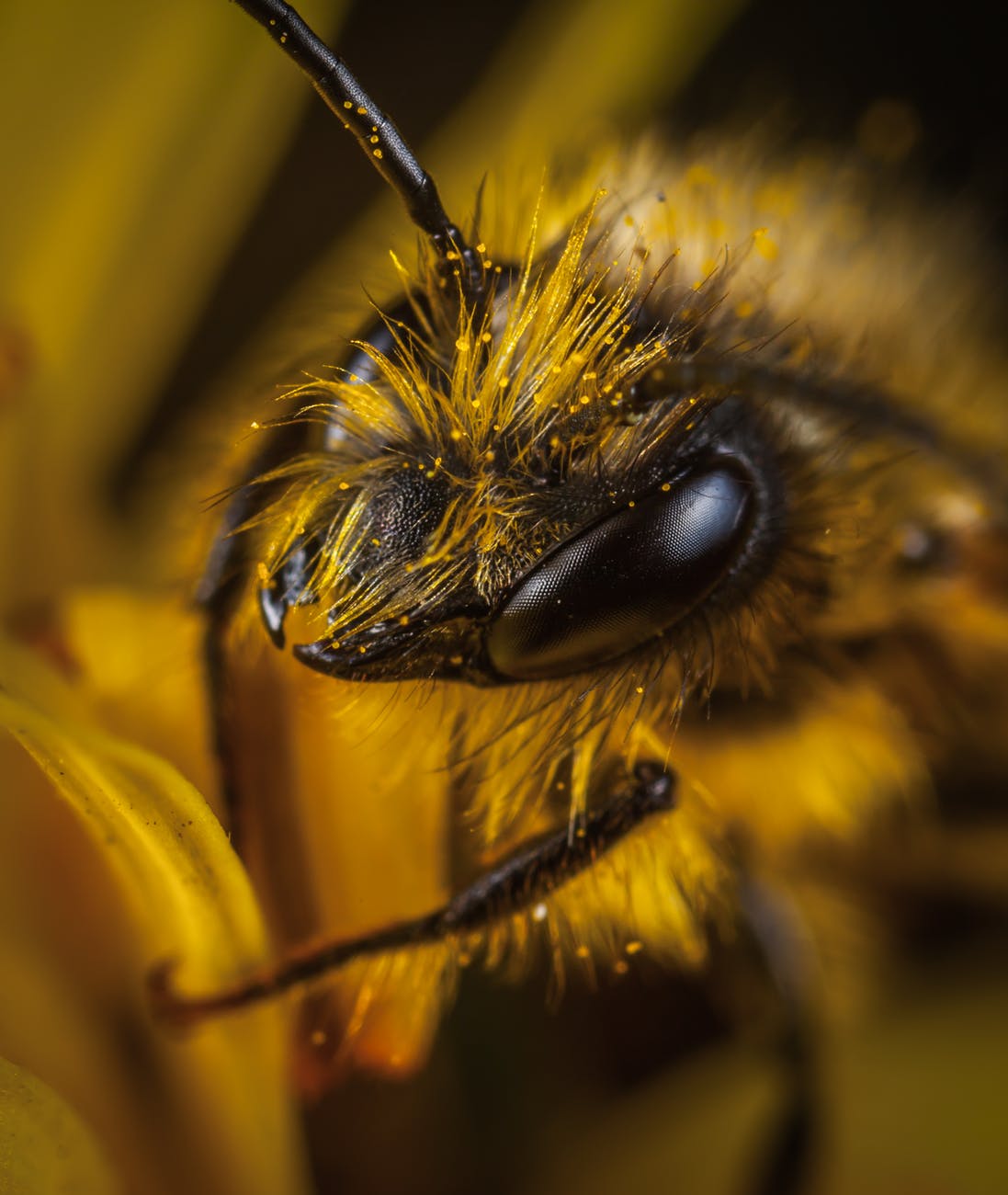
What is the first thing that comes into your mind when you think of honeybees? Small flying insects? Bugs that make honey? Or dangerous stinging creatures? Although the small creatures make honey, they are not at all dangerous.
Yet, they are extremely important pollinators for our favorite fruits, vegetables, and flowers. They have the ability to make other plants’ seeds and fruits grow.
History
Honeybees are social insects. That means insects who work together, mate, and form a colony. Bees date back from 100 million years ago, older than dinosaurs. It is not surprising since ancient civilizations worshipped bee deities and used honey for religious rituals. Honeybees were heavily valued in ancient history.
Honey
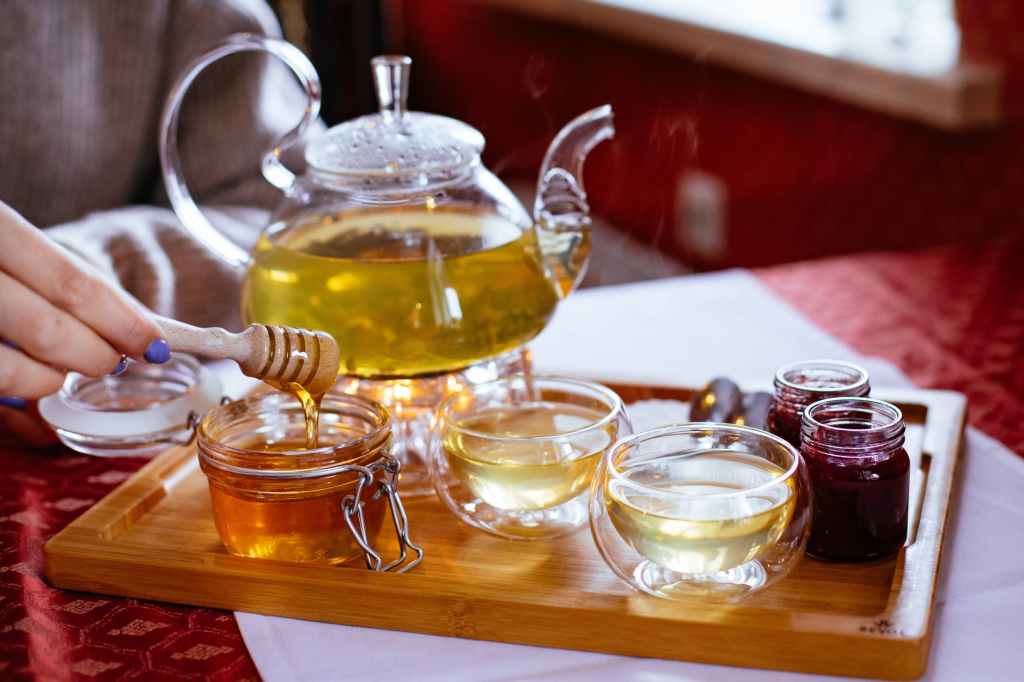
Their famous honey is not an easy recipe to make. It takes 560 worker bees to make 1 lb. of honey. Or in other words, a single honey bee will make a twelfth of a teaspoon in their life. That is smaller than a seed. In the winter, they store the honey as food. Luckily, they make more honey than they need. Humans use the leftover honey for their food and drinks.
Out in the field
On their foraging trip, honey bees will fly at a speed of around 25km per hour, and beat their wings 200 times per second! They communicate with other bees through the waggle dance. The dance indicates where flowers, water, or even good nectar sources are located. The other bees follow the direction of the dance.
The Hive
You may wonder where these buzzy bees live. They don’t live in an enormous palace with a kitchen, swimming pool, and bedroom. Rather in hives called colonies. One hive may contain as many as 60,000 bees. The members in the hives are divided into three groups, who play a role in maintaining the hive.

The Queen:
She doesn’t wear a crown, but she is the largest and longest bee in a colony. There is only one queen bee that rules the whole hive. Her job is to lay the larvae or bee eggs that will become the next generation. She is most busy in the summer, where she can lay 2,000 eggs a day. A special trait that all queen bees have is they can produce a chemical which guides the bee’s behavior.
At any point when the queen dies, the workers will select young larva. Their destiny is to become the new queen that will reproduce more larvae. The workers will feed it a special food, called royal jelly, which no other larvae gets fed. The diet will help develop the egg into a fertile queen.
Workers:
The bees you see in the field or on flowers are workers. These are all female bees. The hive relies on the workers to forage for food (pollen and nectar from flowers), build and protect the hive, feed the other bees, and circulate air by beating their wings. Because of all this hard work, they only live for about a month or two.
Drones:
They are the only male bees in the hives. Their purpose is to mate with the new queen. Several hundred live in each hive during the spring and summer. But in the winter, when the hive goes into survival mode, the drones are kicked out by the worker bees.

Word Bank:
- A pollinator is a insect that carries pollen from one plant to another
- A civilization is a group of people with their own languages and way of life
- A ritual is a process going through the steps of a religious ceremony
- Foraging (to forage) is when insects gather such resources as pollen, nectar, and water
- Maintaining (to maintain) means to take care of or fix
- Circulating (to circulate) is to roam or course around freely
- Insect larva is newly hatched baby insects
 Bee The Change