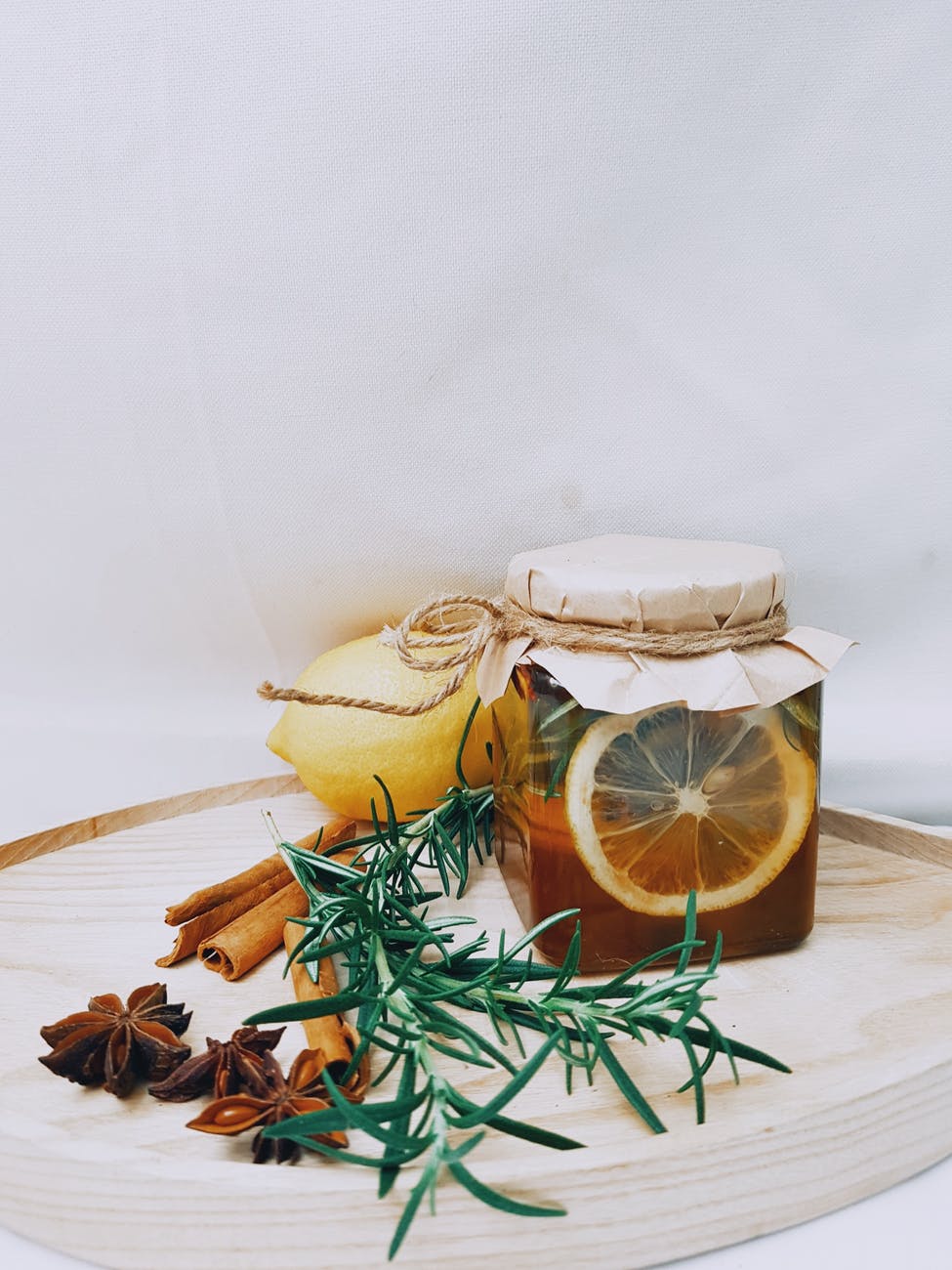

There are more than 20,000 bee species in the world, of which honeybees make over 2 million tons of honey. Did you know that it is the only food insects produce, so how could we live in a world without bees?
Humans for millions of years used and worshipped honey. Today, we commonly put honey in beverages, baked goods, and culinary feasts. But ancient civilizations, such as the Egyptians, stored honey in tombs and burial chambers. More specifically, 5,000 year old honey was found in King Tut’s tomb to keep him satisfied in his long afterlife journey. Honey never spoils due to its chemical properties. You can eat thousand year old honey, and it would still be good as the day you opened it.

Honey is a food made by honeybees from nectar. Bees will store honey into a honeycomb for further use. It is a supersaturated liquid, or rather a semi-solid liquid, made from 80% sugar and 20% water.
Beekeeping (apiculture) is the practice of raising domesticated bees in man made beehives to produce honey. One domesticated beehive can produce on average 65 pounds of honey every year.
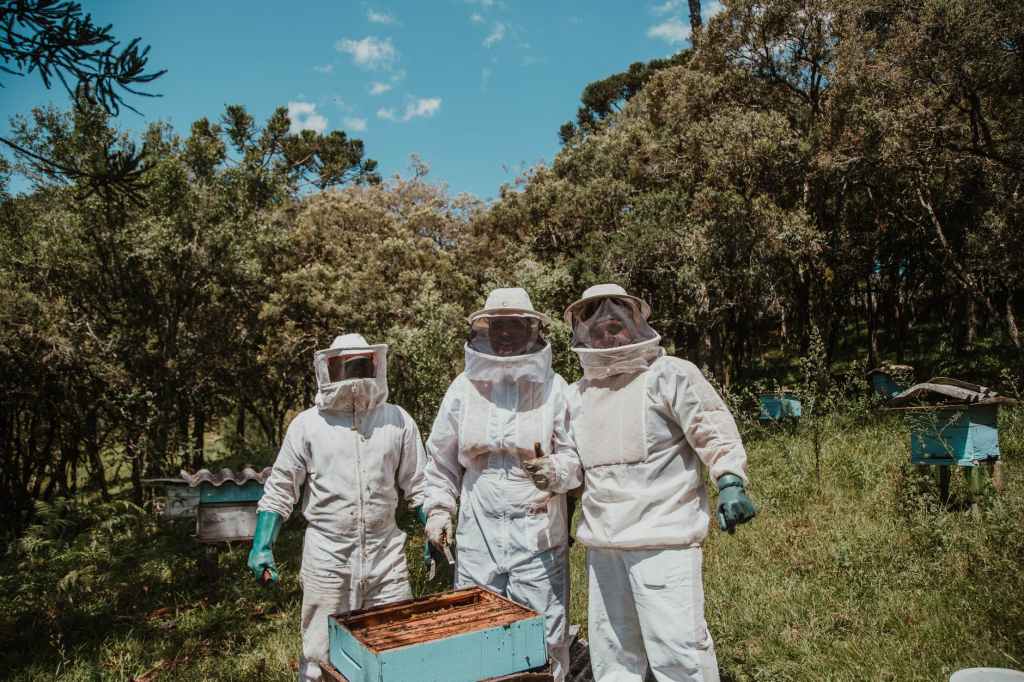
Depending on the flower, there are several types of honey with different tastes, colors, and textures. Some common flowers for honey are Acacia and Clover. Honeybees do not travel more than two miles from their hive to look for nectar. Beekeepers solve this problem by moving hives closer to available flower resources.
Like bees, honey has superpowers. It is antibacterial and a antioxidant that helps fight against germs. It can provide the strength to withstand any attack on your immunity. That means, you can use honey as a method to treat wounds, cuts, or scratches. Not to add, the various beneficial nutrients serve as a boost of energy. Instead of eating a sugary snack cookie, try honey sticks for a change.
 Bee The Change