In the forests of Southeastern Mexico, indigenous beekeepers have cared for hives since hundreds of years ago. More than 40% of the nation’s honey production originates from the Yucatán Peninsula, heart of the Mayans, where 25,000 families depend on the honey production. Traditions of beekeeping is a cultural heritage in these Maya communities, specifically the states of Campeche and Yucatan.
With its long history of honey, and status as the world’s sixth-largest producer of honey, Mexico relies on bees and ancient beekeeping traditions. But now, the foundation of the culture is threatened.
Farmers and agroindustry corporations such as Monsanto are planting genetically modified soy in indigenous territories, causing much concern, most notably: deforestation and health concerns. Mexico granted permits to Monsanto without consulting the Mayan communities.
Every day, the growers are spraying enormous amounts of toxic herbicide on the soy fields. The soy has been modified to repel glyphosate. The World Health Organization has classified the chemicals as a probable carcinogen, that is known to cause cancer.
The wind carries the chemicals to homes, schools, water sources, and flowers that the bees when foraging. There on, children, women, men, and especially bees are at risk, who reside near these fields. These communities understood that GMO soy growing without their consent was a violation of the national law. They took it to the Mexican judicial court in 2015.
Meet the hero undercover: Leydy Pech
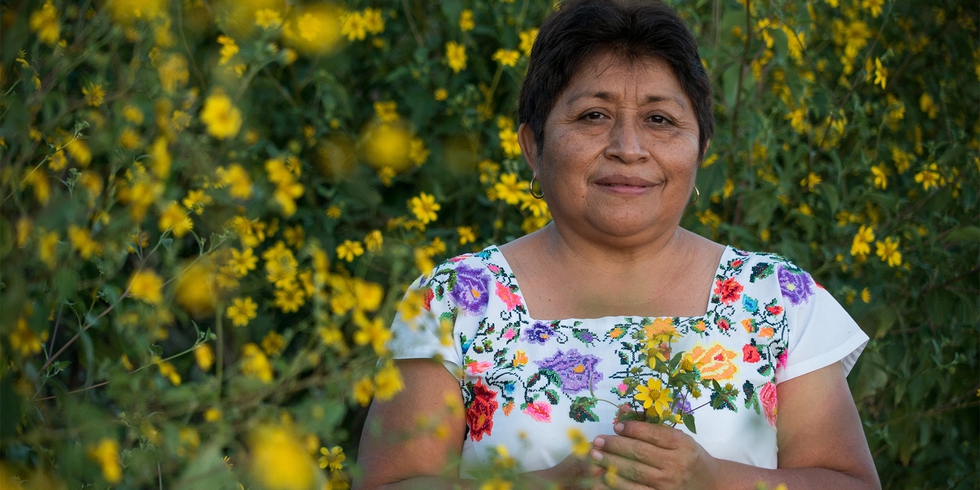
Leydy Pech is an Ingenious Maya woman fighting for the rights of her community in Hopelchén Municipality, Mexico. Her passion for the environment, sustainable development, and bees encouraged her platform to inspire. “They’re part of my very being,” Leydy Araceli Pech Martin says of her bees in 2018.
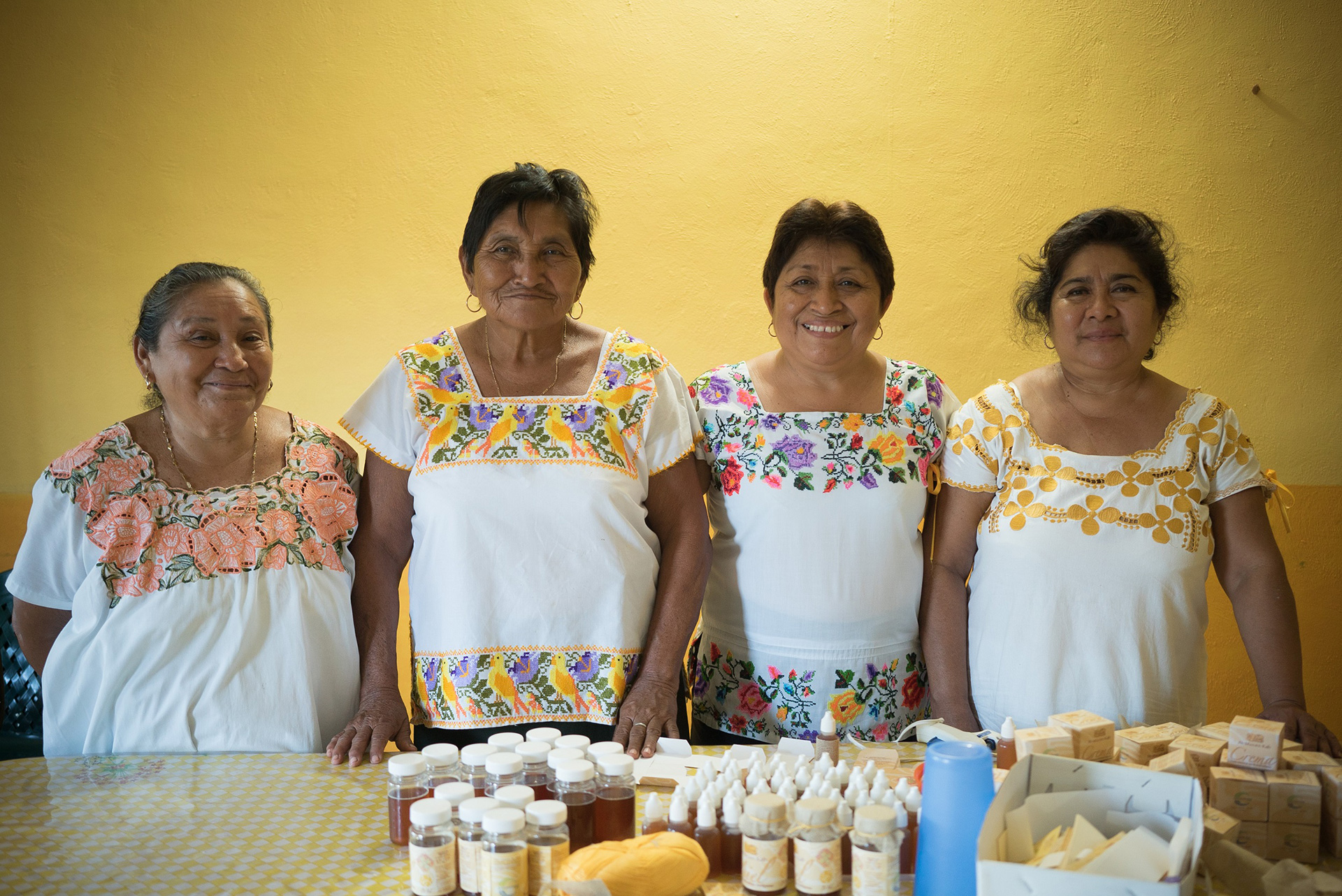
In 1995, she and other beekeeping women founded the Koolel-Kab (“women who work with bees)”. Together they breed and preserve the melipona beecheii, a wild bee species that has been domesticated by the Maya people. Using what the bees produce, the women make and sell honey, soaps, and creams in the organization’s store.
The job was a trade mainly done by the men in the area, but she and her group took up the challenge, continuing to encourage future generations.
The community questioned the group’s potential, “They told us we wouldn’t achieve anything,” she said. “But little by little we demonstrated our abilities. The men saw the results of our work and publicly recognized that the organization is an example of struggle and success,” Stated Leydy Pech during an interview in 2018.

Image: Via México Desconocido
Mexico’s Supreme Court has recognized this as a human rights violation, but the illegal planting of GMO soy has not stopped, and the sowing of traditional soy has expanded. Pech was determined to find justice since the government ignored their people.
In June 2012, in response to the planting of GM soybeans, Pech brought beekeepers, NGOs, and environmentalists together to form a coalition known as the Sin Transgenicos. That same month, Pech led the group in filing a lawsuit against the Mexican government to stop the planting of GM soybeans.
Pech reached out to academic institutions for assistance documenting the impacts of GM soy cultivation on honey, the environment, and people.
As result, the Universidad Autonoma carried out a study of GM soybean production in Campeche. They concluded that GM soy pollen was present in the local honey supply. Moreover, there were several traces of the herbicide in the water supply of Hopelchén.
With this data in hand, Pech and her Mayan collective began an outreach and education campaign to local communities about the negative impacts of GM soybean production. They organized workshops where activists, environmentalists, or simple neighbors could get together and exchange information. Additionally, hosting protests and petitions with more than 2,000 participants.

The great effort resulted in success during 2015. The Mexican Supreme Court unanimously ruled that the government must consult indigenous communities before growing GM soybeans. There on, the ruling canceled Monsanto’s permits and prohibited the planting of GM soybeans in Campeche and Yucatán. Ultimately, it revoked GMO soybean production in 7 states.
“The Maya people are many, and everything that we’ve achieved is not for only one person, it is for all.”
Leydy Pech
Pech was awarded the Goldman Prize in 2020 due to her enlightening influence. She brought together activists, environmentalists, communities, while saving lives.

 Bee The Change