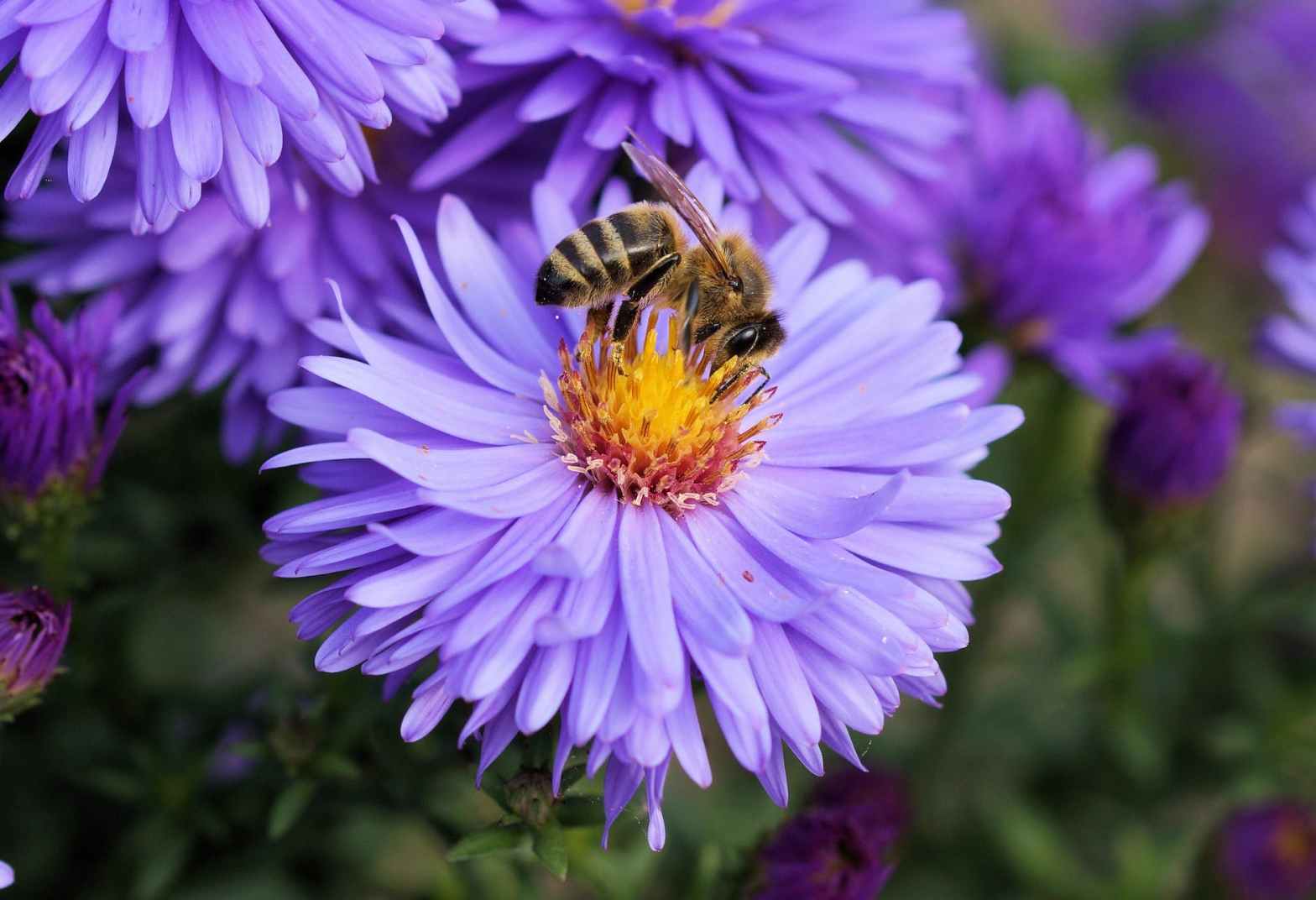

When eating a salad, pizza, or strawberry ice cream, did you ever stop and wonder how your food got onto your plate. Of course humans play apart in this role, but did you ever think of insects. Bees perhaps? One out of three bites of food on a well-balanced plate is pollinated by bees.
Do you like Starbucks? Coffee? Well, bees pollinate that too. Imagine a perfect morning without coffee. Albert Einstein possibly claimed “If the bee disappeared off the face of the Earth, man would only have four years left to live.” Although many state that Einstein never quoted this, there would certainly be many repercussions in a world without bees.
Family Dinner
First of all, our diets would suffer tremendously with the mere pollinators left. Bees pollinate more than 80% of the most common crops, or in other words more than 100 important crops that are critical to daily life. Apples, avocados, onions, and several types of berries are a few of these crops that would suffer without the presence of bees.
A typical family dinner would consist of an abundance of starches, highly priced meat, and gelatin. Soda, pizza (with the exception of no tomato sauce), and chicken fingers would still be available for Thanksgiving dinner: An alternative to colorful squash, warm pumpkin pie, cauliflower, brussel sprouts, pomegranate, carrots, apples, cranberries-all pollinated by bees……no thanks!
Our long sought out barbecue’s would die in flavor with sad burgers on the grill- no tomatoes, lettuce, onions, and ketchup. Most importantly the rainbow bursting variety of ice cream flavors would be limited to white and brown colors. Those once colorful crafted memories now cease to exist along with the bees.

Grocery Shopping
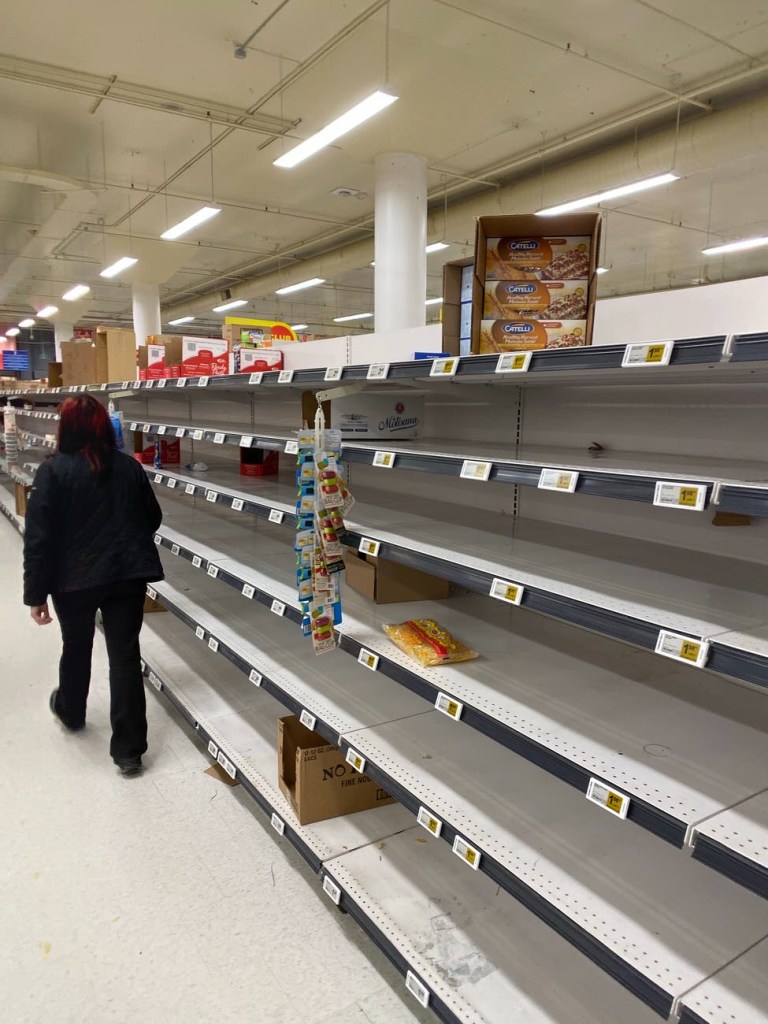
Grocery shopping is a weekly activity we all enjoy or either hate. But when walking into a supermarket, in a world without bees, first, it would look very lonely. The variety of fresh produce available in our local supermarket would disappear.
Only half of the products would be filled in aisles. And the cost of certain products, especially coffee and steak, would cost you an arm and a leg. Cows and all grazing animals are raised on alfalfa, almond hulls, and clover- which heavily rely on bee pollination to grow. Cows wouldn’t have much to eat, and the next thing you know, steakhouses will be serving deer meat (in alternative to the highly priced steak).
Coffee, one of the world’s favorite drinks, would also be limited in stock. Even though the coffee we mostly drink — Arabica — comes from a self-pollinating plant, bees play an important role when it comes to their yield. A bee’s work means that coffee plants produce 20-25 % more fruit.
Coming out of the grocery, with all of tonight’s dinner meal would include: corn, rice, bread, pasta, occasional dairy based products, and possibly steak- if there is any left (from the high demand). Looks like our dinner got a lot less interesting.
Nature Scenery
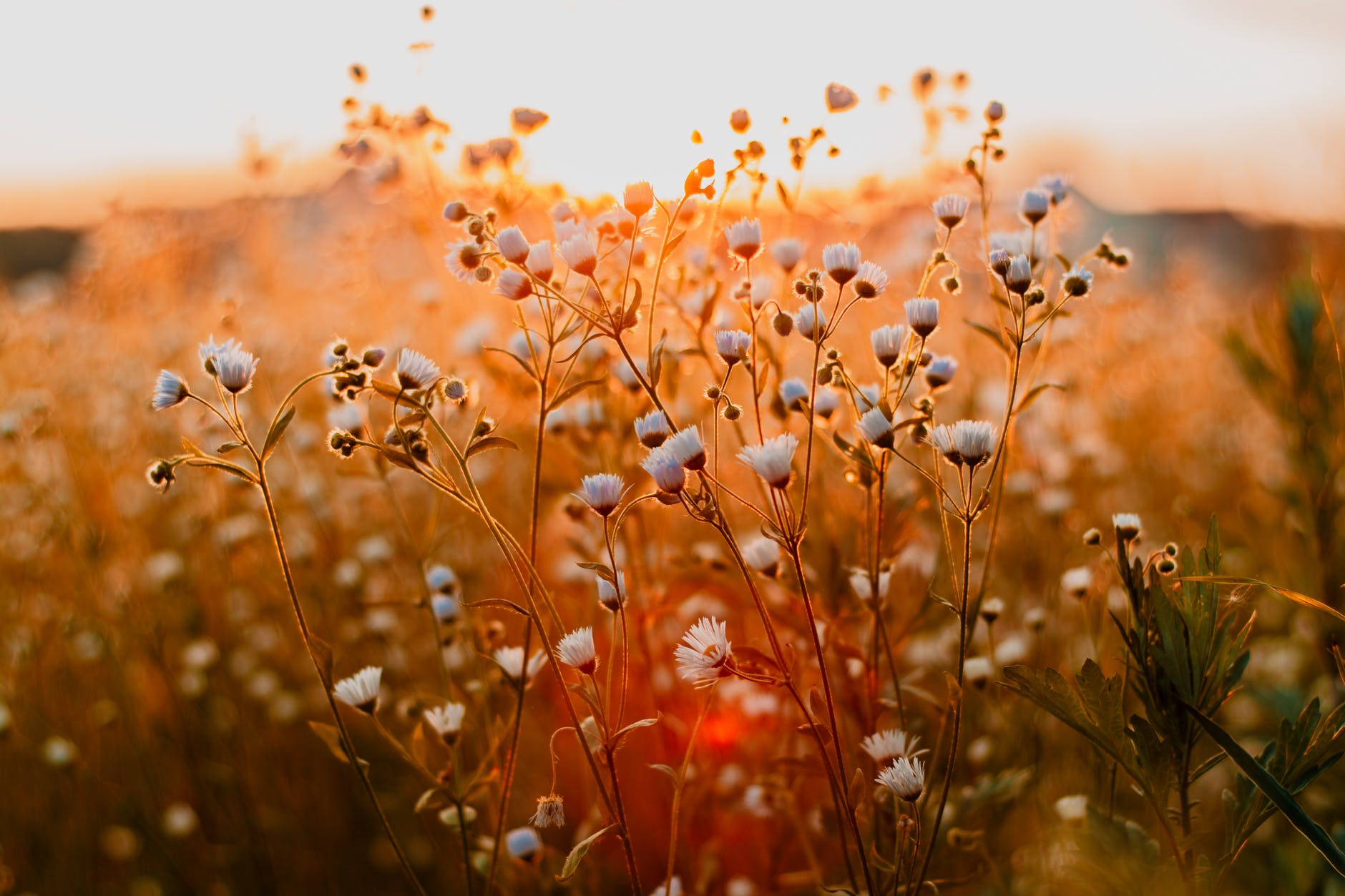
Those beautiful flower meadows in the field during the spring blooming time, moreover the infamous Van Gough’s Sunflower painting would be a long lost memory in this world.
Without pollen transport, the production of agricultural crops globally would decrease by 30% and the flowering plants would disappear by 90%. The fragrance of lavender, rose, daisy would slowly die off without the bee’s help in reproducing their offspring. Wildflowers would prosper no beauty in the hidden areas of forests.
Moreover, honey, our favorite natural sweetener that is made because of the flower pollen, would be stuck to the past forever, not to mention some of our favorite cuddly critters, who rely on bee pollinated plants.
Diet Culture
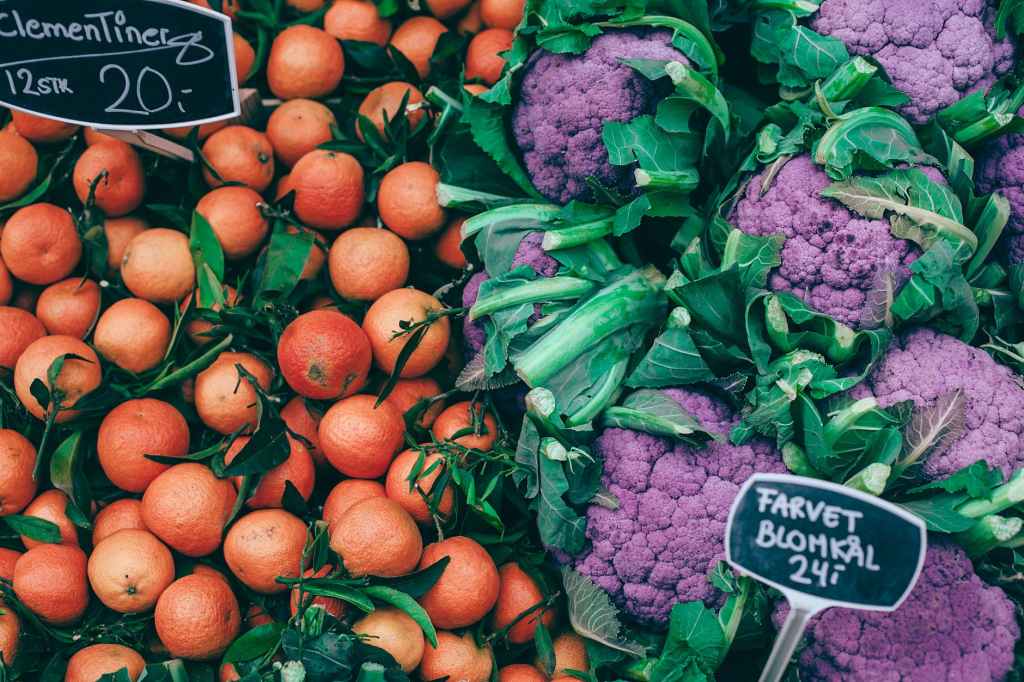
Vegans, vegetarians, and most diets depend on the abundance of vegetables and fruits to sustain their healthy body’s needs. But in a world without bees, our diets would not suffice many healthy eaters who boost off their prolonged life.
The top sources of calories in the standard American diet are grain-based desserts, like cakes and donuts. Bees don’t pollinate grains. So wheat, rice, corn, and sugarcanes or sugar beets, would be active in our new “diet”.
Then comes yeast breads, another grain-based food. Then chicken, which eats grain. Soda and pizza round out to the top five high source of calories, both consisting of more sugar and grains. Could you live off of the bee-free diet? I know I couldn’t.
A world of 7 billion
Although there are many other pollinators, such as flies, wasps, moths, and even some birds, they only visit enough flowers to feed themselves. Which means, in this world, we are relying on a mystical force to pollinate our colorful foods.
A world without bees could struggle to sustain the global human population of 7 billion, and even 9 billion in the future. So next time you eat a plate of food, or look at your beautiful garden, thank the bees for their help.
 Bee The Change
This is great article!!!
LikeLiked by 1 person
Thank you!
LikeLike