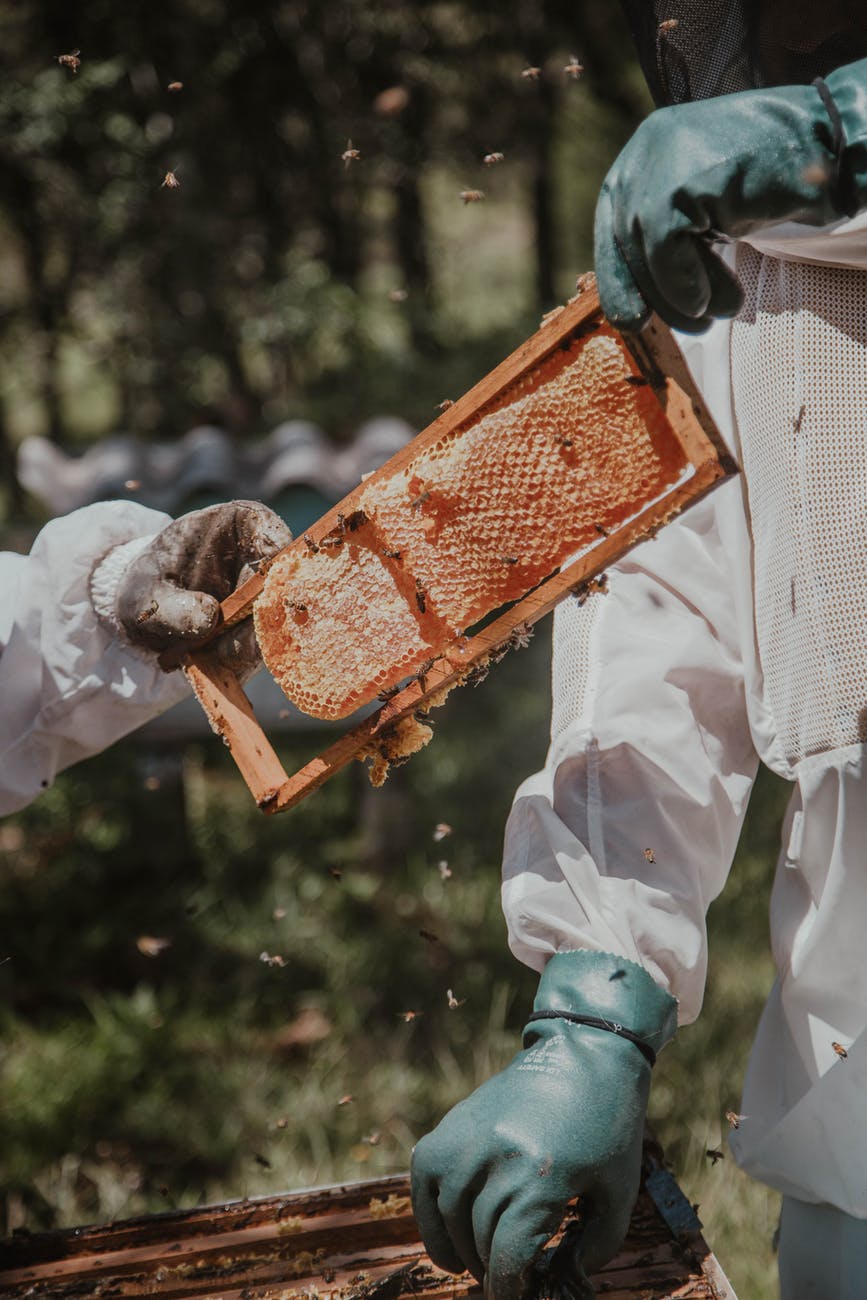

This spring we beekeepers have a lot to look forward to, whether it is seeing our beehive come to life, or applying our new knowledge to this season. I myself have a lot to learn about my local bees within the environment.
And prepping during the winter is the best time to learn.
Therefore, when researching I compiled the top 10 most essential tips you should consider when beekeeping. These tips can apply to beginners, like me, or a preview for those considering. Like always, we are on a journey- learning together about our friends. Let’s make the most of that!
- Position the honeybees in the RIGHT spot
Bees thrive on good forage, and get sick or die when forage is poor. Furthermore, a lack of not enough food (from these foraging trips) can result in unpreparedness for the winter.
The colony’s health is dependent upon good nutrition, as pollen is the best source of critical nutrients (and/or protein) for the honeybees. It is important that a beehive is positioned or near a source of flowers. A colony requires about 2 lbs. of pollen weekly to maintain its population. If floral sources are unavailable in your climate, simply feed sugar syrup and/or pollen supplement when necessary.
Keep in mind that colonies benefit from being kept in full sun. Hives in full sun have fewer risks with parasites, such as the varroa. Face the hive in the full sun and make sure to keep your hives close (to you-located in your backyard) for best results of a healthy colony.
- Avoid pesticides and toxins
Toxic nectar and pollen fed to the bees should be completely avoided or diluted. Almost 100 million lbs. of each insecticide and fungicides are used annually in the U.S. —most of which are deadly to bees. With the impact of varroa mite and pesticides combined together, the effects create greater risk and numbers in bee death (also heavily contributing to CCD).
When the insecticides get exposed to the pollen or nectar which the bees feed on, the outcome is reduced honeybee health-unable to meet the demand of a large population.
Overall, there have been many cases in which colonies suffered greater from the spread and contamination of toxins. “Natural” miticides are a better alternative, as they don’t leave behind harmful remains.
- Inspect often
A healthy hive can run out of room, swarm, and make new queen cells in less than 2 weeks. So it is ideal to inspect a hive, especially a young hive every 7-10 days during Spring-Fall.
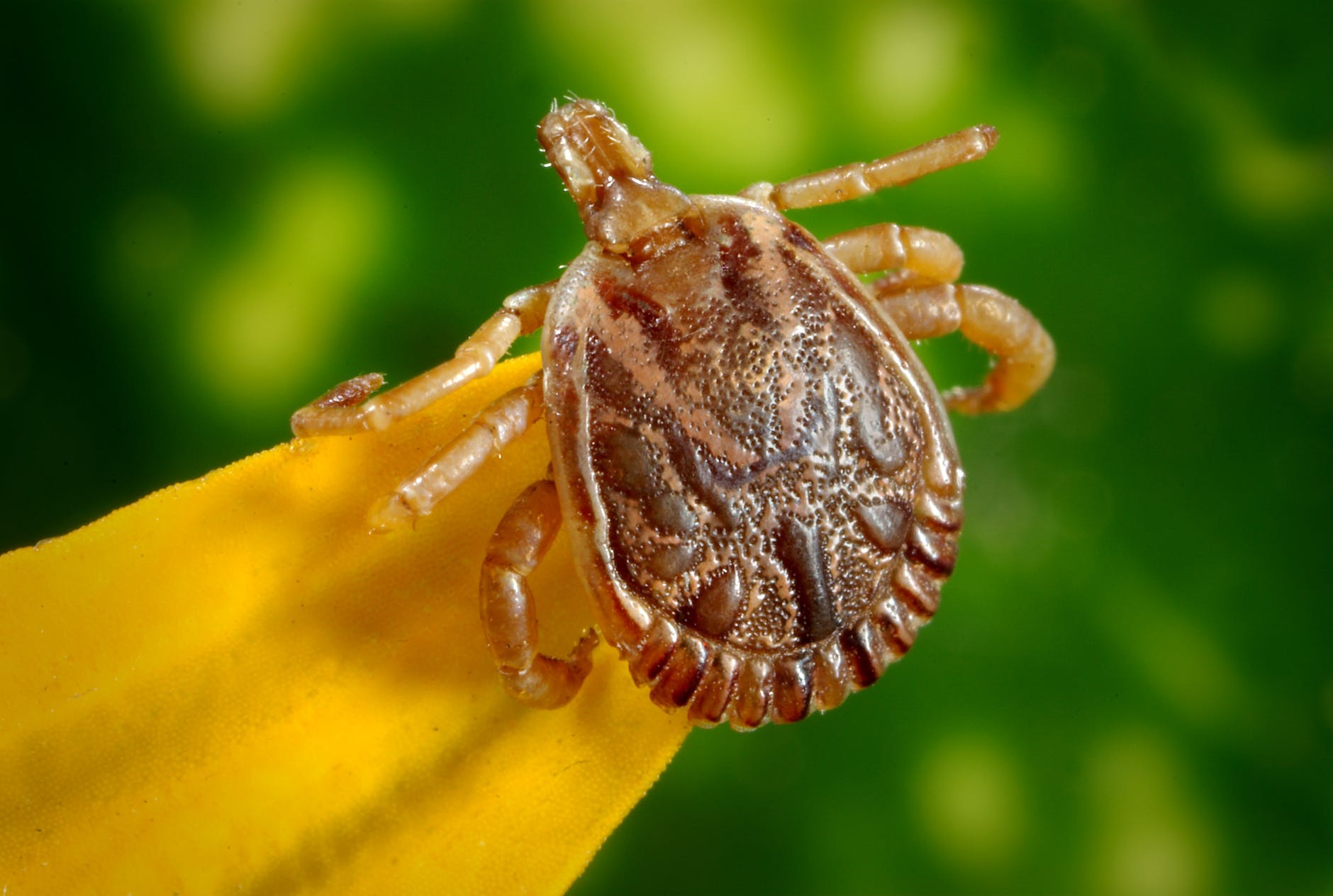
When inspecting a hive, remove each frame of brood, and check for any type of varroa mites or parasites. Adult varroa mites are often oval, flat, and red-brown colored. Although the mites are small, they are still visible through the naked eye.
Don’t forget to look at the larva, capped brood, queen cells, the queen herself, and any signs of stress in the hive. An unhealthy brood can ultimately lead to the death of a hive. Being aware is crucial for the beginning beekeeper.
- Bee a reader
Immerse yourself in a few honeybee books this winter. Biology and the anatomy knowledge of honeybees can be helpful in your beginning days. The knowledge will form your own beliefs and decisions about your colony, not taking the use of poor advice. When understanding the honeybee’s purpose and basic roles in their caste society, you’ll be able to manage them better. Honeybees are the most widely studied insect species by far.
Some exceptionally well explained beginner books include:
- Homegrown Honey Bees: An Absolute Beginner’s Guide to Beekeeping
- The Practical Beekeeper: Beekeeping Naturally
- Top-Bar Beekeeping: Organic Practices for Honeybee Health
- The Bee: A Natural History
- Bee Democracy

5. Consider 2 hives
The more hives a beekeeper has the better. A variety of hives allow the transfer of more resources from a stronger hive to a weaker one. This includes honey, nectar, brood, queen eggs, or even unused frames. It may be challenging with your environment and even expensive for your budget, but it can save you money, while ensuring the long lifespan of all your hives.
6. Use protective gear and necessary supplies
A beekeeper without a protective suit and gear will be a sad beekeeper, to say the least. Don’t take the risk of engaging with bees without any of the following:
–Protective equipment including leather gloves, veiled hats, and partial or full-body suits that bees’ stingers cannot penetrate.
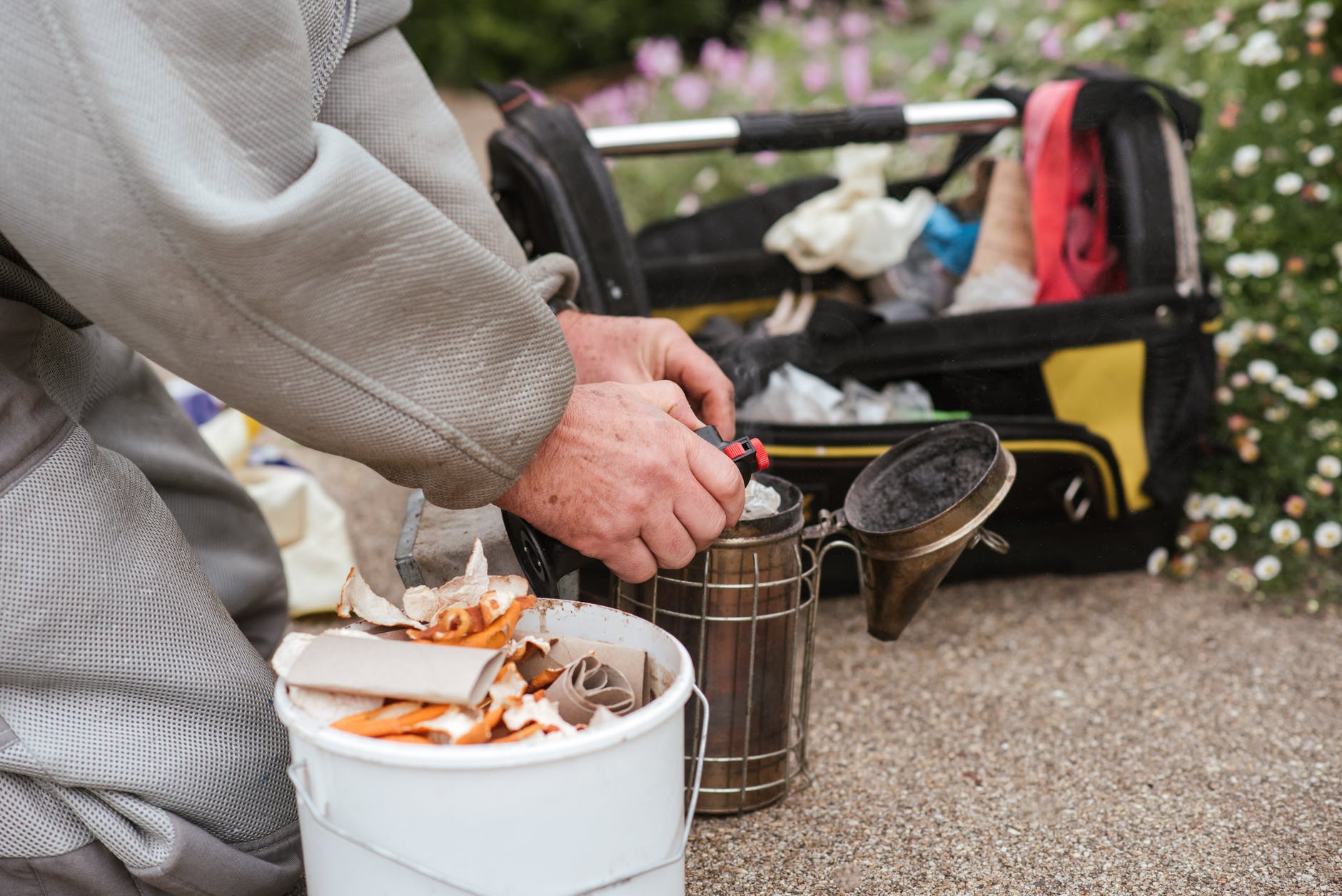
–Smoker to calm the bees when working with the hive. This tool will become your best friend in minimizing stings.
–Hive tool for lifting and moving frames.
These are just the basics but will serve you and your hive happily. Keep in mind that bees don’t like surprises, so be careful when handling them, and especially mindful that they are live creatures as well.
7. Prepare beforehand
A lot of the most challenging tasks of a beginner beekeeper comes before the arrival of bees. Learning about them, purchasing a healthy brood, considering equipment/gear, and constructing your very own beehive are the main tasks for the preparation.
Purchasing from your local state department, or even other experienced local beekeepers, is a great start for advice of the regional bees. You can even order a colony online, finding it the next day at your doorstep.
When getting more experienced, I also suggest starting making your beehives from scratch. This way you know what natural material you construct with, and you can customize the hive based on your colonies.
If you are looking for basic beekeeping supplies, it can be found on Amazon, or even at local honey farms.
8. Set goals for your first year
When you have a goal and write it down, science shows that you are more likely to execute it. Any goals, like qualifying for a bee state membership, or even finishing a honeybee how-to book counts. The bees don’t care about your qualifications or techniques, only if you are putting forth your best effort into the learning process.
Starting slowly with a few hives and later growing them, will enhance your skills. Sometimes a busy schedule doesn’t allow for tremendous time with the bees. Therefore, even a little of your time can lead to a great impact – if you really try.
9. Let them bee
I know some people who check their hives at least 5 times a day. The sad truth is that your protectiveness can lead to their stress. Opening the hive lets all the heat out and discomforts the bees – especially when the temperature is extreme.
Not to add, insulating your hives with excessive wrapping can risk the expense of ventilation. Moisture will build up when the hives are wrapped very tight. Wet bees will become dead bees. Many experts reason that an under-insulated colony will over survive an over-ventilated hive.
10. Bee your own self
The best approach to dealing with any hobby is adding your own self-expression. A how-to video or the state department bee program is not going to explain how to apply your creativity + passion to your bees.
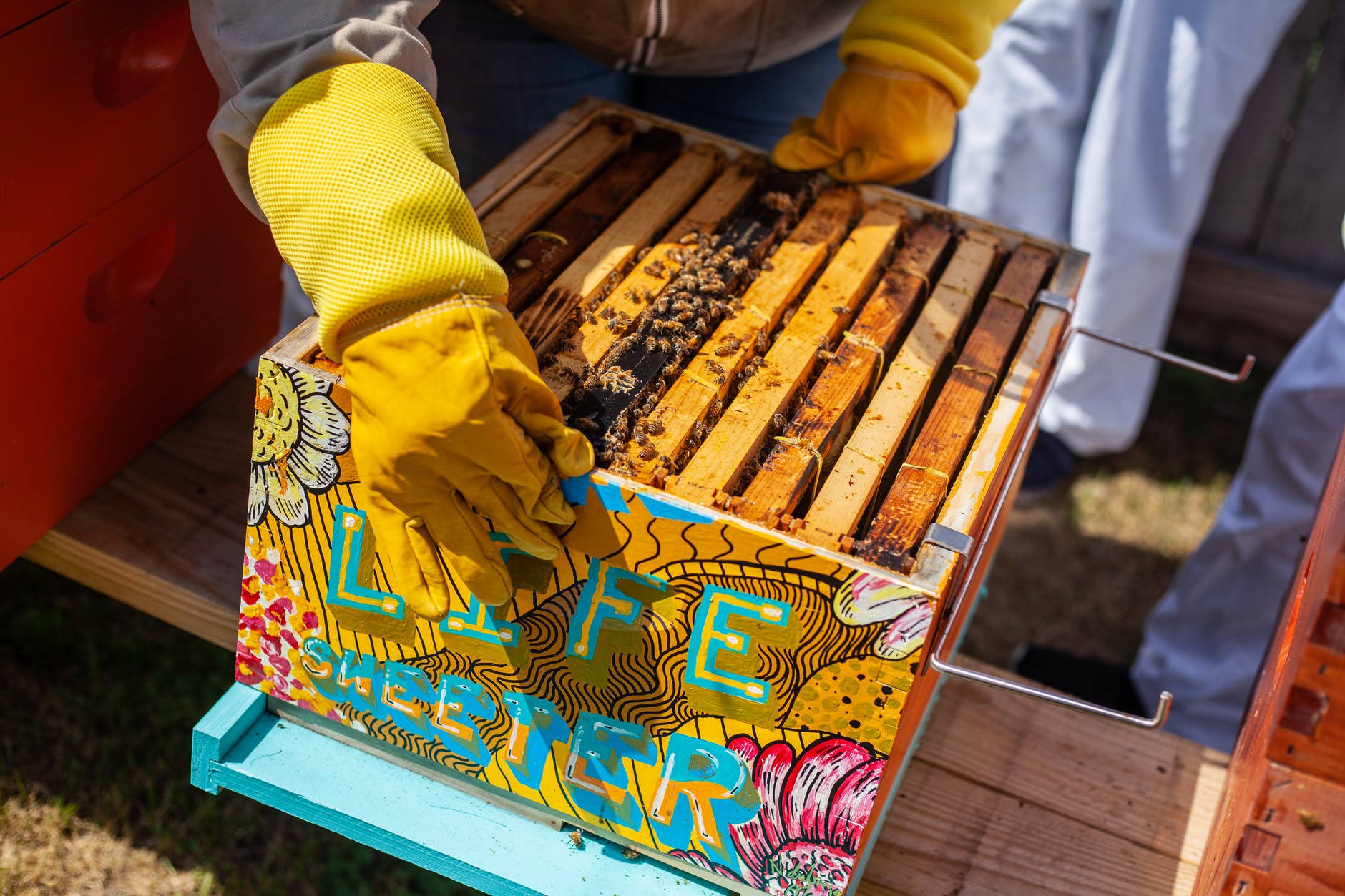
If you are good at art, apply that to decorating your hives. If you have a passion for cooking, start including your colony’s honey into baked goods and treats. The bees can teach you a lot about the environment, but also yourself.
 Bee The Change
Wonderful reading and very educational.
LikeLiked by 1 person
Thank you!
LikeLike