

During the cold winter months, we put on coats, mittens, and hats to keep ourselves warm. Other animals like bears hibernate and some birds fly to the south, in attempts to survive. But what do honeybees do during these months? The outdoors are dead, quiet, but extreme. We don’t hear any buzzing near our gardens, nor the familiar bodies tugging on the flowers. Have you seen any bees foraging during the winter? Probably not.
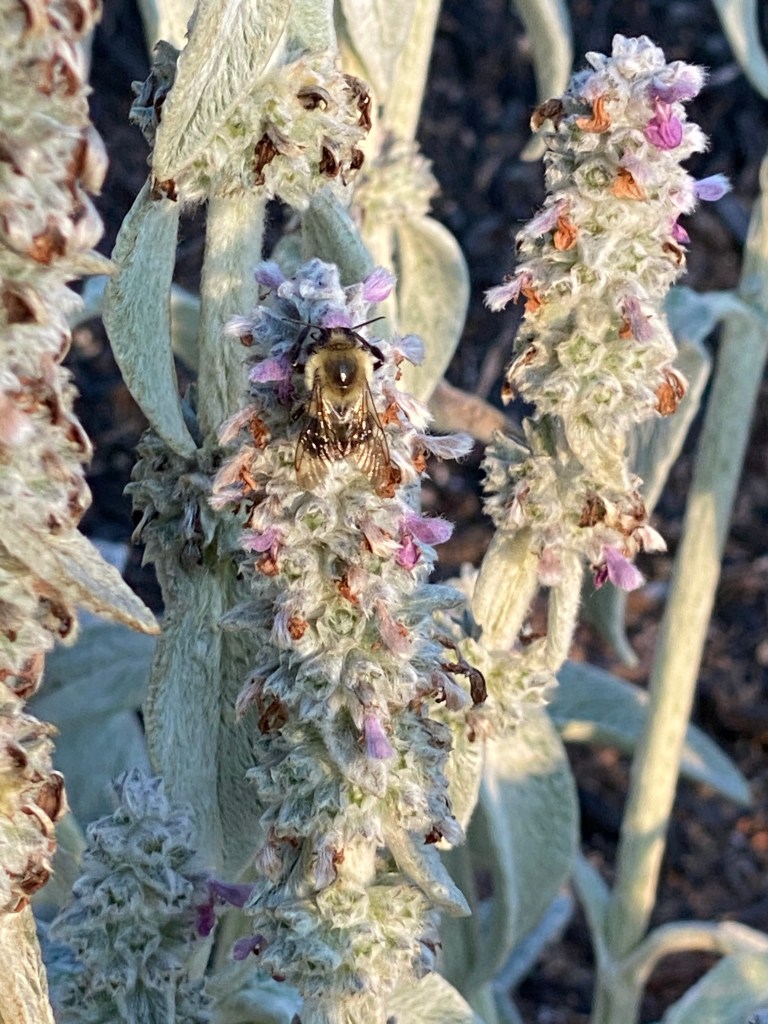
This is because honeybees are hiding. Hiding in their hives. They will retreat to their hives when the temperature drops below 50 °F.
To keep everyone warm, most importantly the queen, they huddle together for three months straight. The enormous group hug and preparation for this season will decide their fate during the upcoming months. They will consume up to 30 lbs. of honey over a single season.
If they did not collect enough honey in the foraging process, it is unlikely the colony will survive. The honey will keep them warm by providing energy. They will use the energy to shiver and flutter their wings. The constant movement ensures the warmth of the hive.
The drones, who do not contribute to the hive in any way, but only consume honey, will either die or be kicked out of their home during this period. The queen and worker bees will be left, forming a tight winter cluster, with the queen at the core section of the group.
The core section will be the warmest as temperatures can reach 90-100 °F. But the worker bees will be located closer to the outside of the cluster, shaking and shivering where the temperatures are 50 °F. Luckily, the bees rotate from outside to inside of the cluster, so no bee will gets too cold. The worker bee’s only job in the winter is to keep their queen alive, and this can be done by providing all of their energy towards her.

When spring days approach, the bees will leave the cluster and the hive for a brief moment in order to eliminate body waste. If colonies are located in warmer climates, this process is not necessary, therefore they will continue working all year round.
Beekeeper Tips:
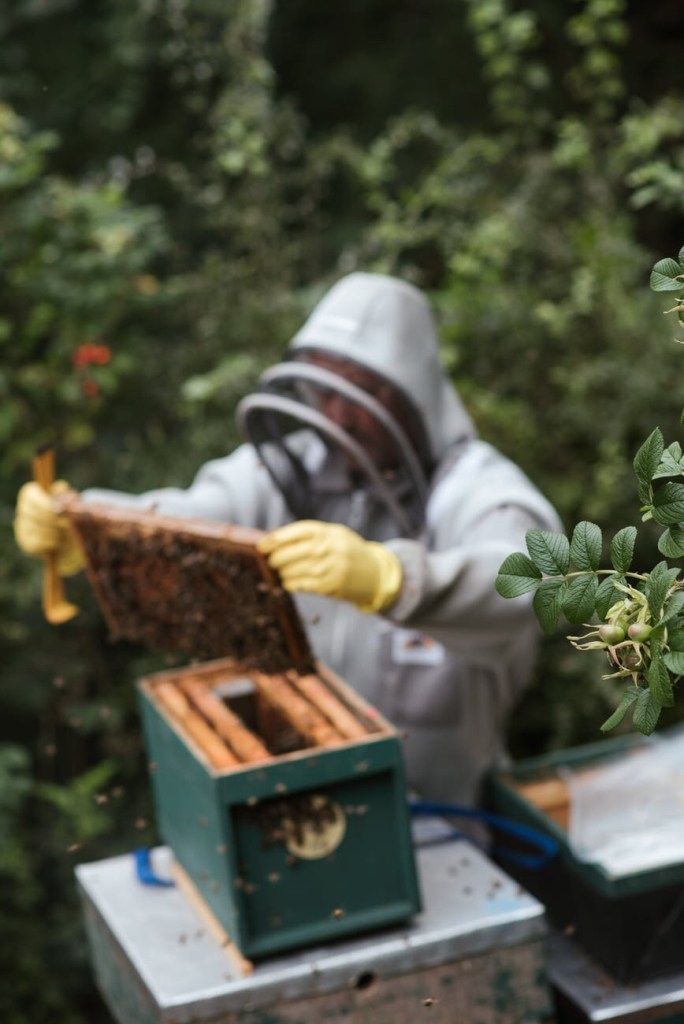
Sometimes a little action from you can help these bees during their hardest season.
- Provide Honey
It is essential that in the winter a beekeeper makes sure the honey supply stays full so the bees can keep shivering. A colony of honey bees needs 30 to 60 pounds of honey stored going into winter. This is the equivalent of 8 to 9 full frames. Provide the bees with as much honey as they can use. If they run out, they may die. At least five- ten lbs. should suffice. Talk with local beekeepers through your state agricultural departments. Or connect with beekeepers from similar climate.
- Inspect the hive
Be aware that CCD is most common during these months and results in high spikes. Not to mention a secure brood pattern is necessary for a colony to survive. A hive with a strong queen and a healthy brood has a better chance of making it through winter. Inspect the hive before the season and after to ensure a healthy hive.
- Wrap your hives
By wrapping the hives with tar paper, this guarantees the warmth and quality of air circulation to breathe from.
- Do not check on the hives (during winter)
It is too risky to think what would happen when exposing the coldness to these bees. Checking on them should be a last resort. It is best to let them “bee”, as they can figure it out on their own.
- Engage yourself in the bee community
Reading various beekeeping books or being apart of a bee membership club can expand your knowledge and perspective about bees.
 Bee The Change