What Are They?
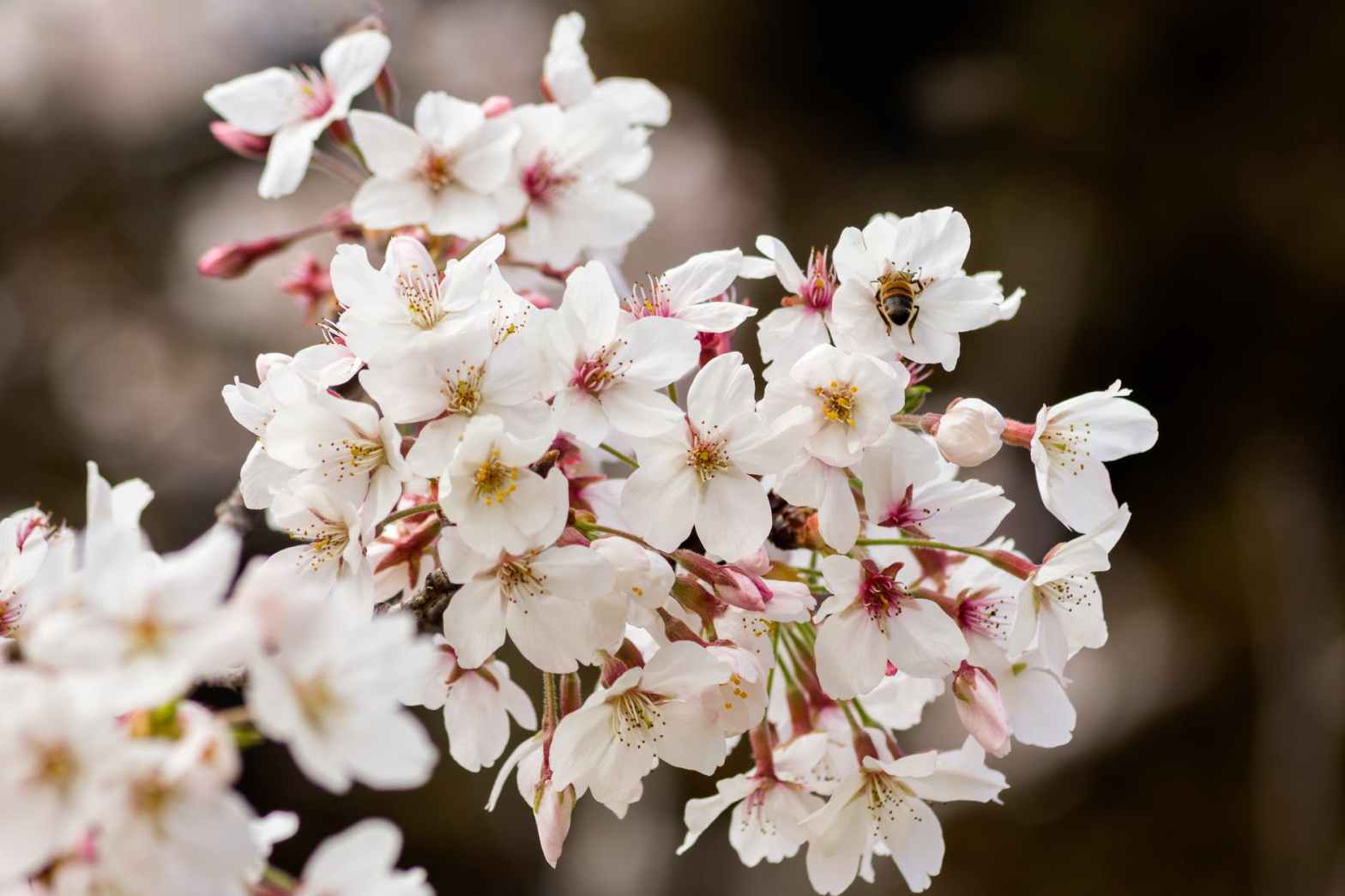
They are not just any type of bee. The Genus Osmia, are the building foundation for the ecosystem as they are extraordinary, productive pollinators. But you can’t compare them to the honeybee, because for starters they don’t make honey. They are typically smaller in size than the honeybee and are a metallic blue/black color. You can find them commonly throughout North America as out of 150 species, mostly are native here. Unlike the honeybee, they are solitary bees, and are not commercialized nor do they rely on others to build a hive for them. Therefore it is not surprising you will find them nesting in a wooden habitat in your backyard. As a matter of fact, they get their name from their habit of nest-building, which is to seal off the cells where they lay their eggs, using a cement-like application of mud. Native bees, such as mason bees, did 100% of the bee pollination before honey bees arrived. Stimulating them into the ecosystem is an important step to progress diverse and various pollinator numbers.
Encourage them into the garden
What makes mason Bees so ideal as a helper in the garden is they pose small to no threat of stinging. The males do not have a stinger, and the females will only sting if trapped or squeezed. When dealing with mason bees, you do not need any kind of protected gear nor construct a house for these misunderstood, yet important pollinators.
Mason bees don’t prefer the lavish lifestyle of the honeybee. It is of convenience to them to use any location they find for a nesting habitat. In the wild, mason bees lay their eggs in small natural round openings, such as woodpecker holes, insect holes and hollow stems. Although, they seem satisfied to lay their eggs in artificial nesting cavities, like cardboard tubes or paper straws that we leave out for them.
They do not like to travel more than a few hundred feet from their nests. This makes them perfect for gardeners and backyard bee enthusiasts. Mason bees make it possible for plants to seed and reproduce, for orchard trees and berry canes to increase in the, and for flower meadows to become colorful landscapes. Compared to honeybees who have a 5% pollination rate, mason bees have a 95% pollination rate. These busy pollinators will not take a day off, as they can work in cool or rainy weather.
Pollination Skills
Mason bees are messy pollinators. But how does that help them with their pollination? If you think about honeybees, they possess a more advanced, organized system to collect pollen. Honey bees carry pollen baskets (these structures can be found on the back legs of worker bees). While gathering nectar, pollen sticks onto them. Then the honey bee moisten the hairs on their front legs and brush the pollen to their back legs. They are very precise not to lose any pollen. The sticky pollen is then compressed into the pollen baskets. Once the baskets become full, the forager bees return to the hive.
The mason bee, in contrast, clumsily lands on a flower. The pollen spreads and sticks all over her velcro-like body. Instead of pollen baskets, masons possess a hairy abdomen that contain specialized hairs, called the “scopa”. She will crawl all over the flower, touching every part with their hairy body. In result, their method has a more successful pollination redistribution. Bryan Danforth, Cornell University Entomology Professor, claims that native bees are three times better pollinators than honeybees. According to Danforth, “Honeybees are more interested in the nectar than pollen. They don’t really want the pollen if they can avoid it. Wild-native bees are mostly pollen collectors… collecting pollen to take back to their nests.”
A Day’s Work
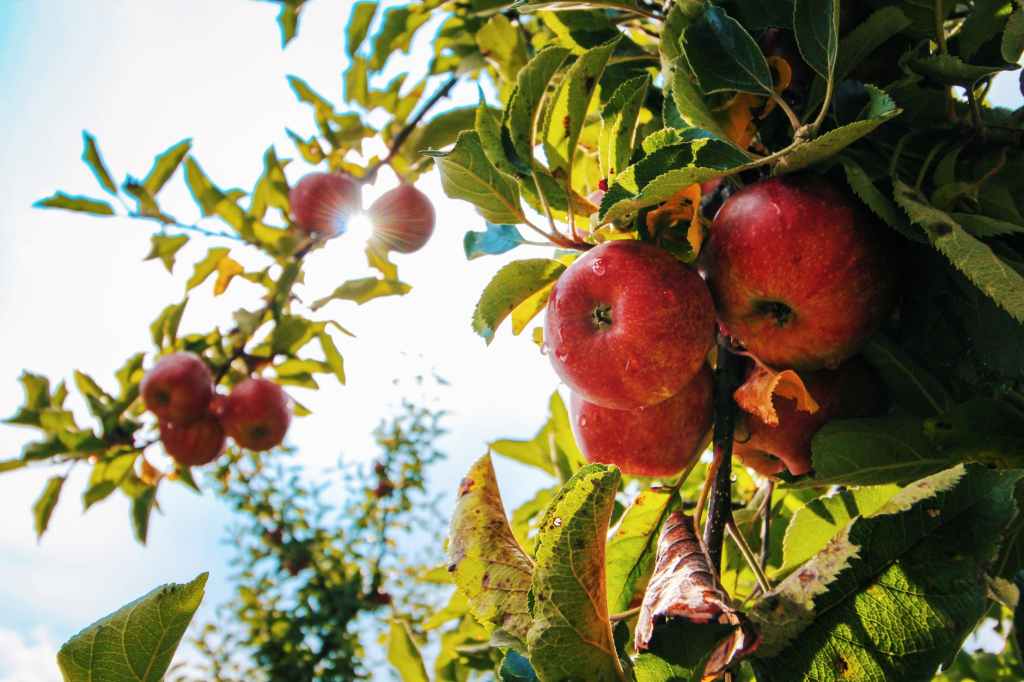
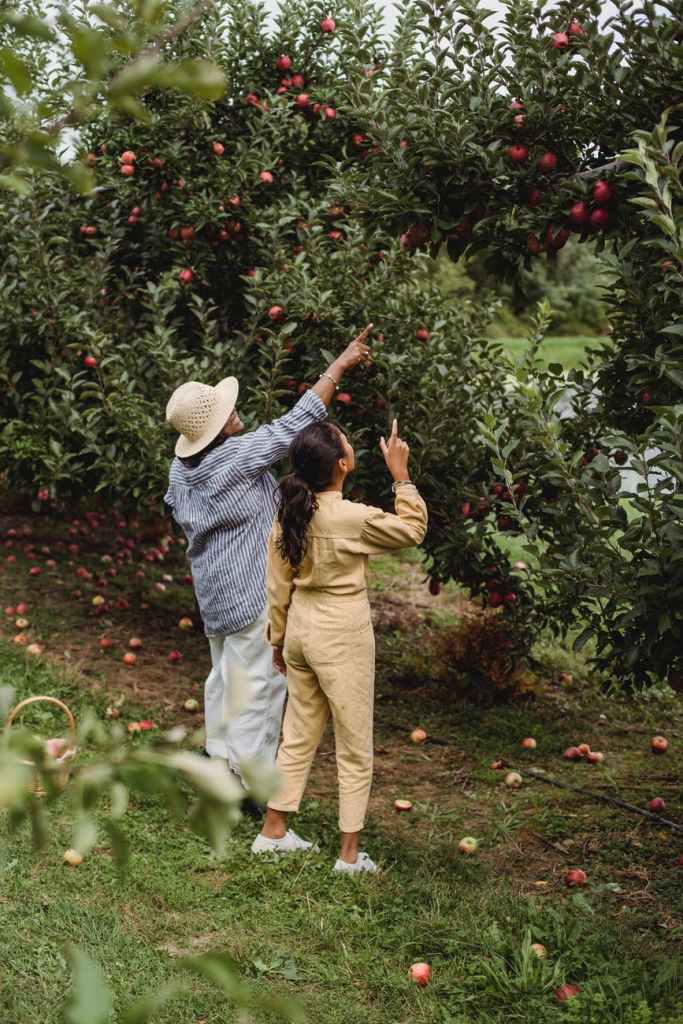
Although mason bees don’t make honey for us, they keep up with the high maintenance of orchards, fruit trees, and berry bushes we harvest from. Just 250-300 females can pollinate an entire acre of apples or cherries. Or in other words, 1-3 female mason bees can pollinate a mature apple tree. Mason bees are not as picky about the type of blossom they will visit.
Mason bees build their nests about 300 feet from the best selection of flowers, whereas honeybees will forage and travel further (up to two miles). They will nest inside tunnels or abandoned habitats from tree-boring insects before them.
Since mason bees are solitary, the females are basically their own queen. They will raise offspring without the support of a highly-organized, social colony. With no hive to worry about, they will spend the rest of their life collecting pollen and laying eggs. In a female’s life span, she will lay about 15 to 20 eggs in two tubes.
Like honeybees, females do ALL the work. Early in the Spring, female mason bees will start searching for pollen and nectar. The food will be collected from berries, flowers, vegetables, and fruit trees. They will return back to their nest with their food and will pack it into the far end of the nesting cavity (until they believe the amount will suffice for a young bee). Then, they will lay an egg and seal up the cell. The process will continue until she fills up the whole chamber with pollen, nectar, and lastly egg cells. After four to six weeks of this series, the bee will die. The larvae will hatch just after a few days after the eggs are laid. They will eat the stored food in the cell, and then they will start to spin a cocoon and pupate. By the August of each year, the next generation of mason bees are fully grown and will hibernate through the winter. In the Spring, during the warmer weather, the next generation will emerge out of their cavities, and the process begins all over again.

How you can help
Mason bees are just as important as any other type of bee. They contribute to much of our favorite produce, and are effective at pollinating wild conservation areas. We should not forget about them, but instead learn about their unique characteristics. Researchers for the United States Department of Agriculture (USDA) Agricultural Research Service (ARS) are studying native bees and other pollinators to help them gain popularity in our gardens and environment. Honeybees are in high demand, pollinating a few of our favorites: almonds, blueberries, raspberries, cranberries, cucumbers, apples, peaches, pears, and many more. Mason bees have the same potential. If we can encourage these mason bees into our climates and gardens, giving honeybees a break, the threats of CCD and deaths would be much less. By leaving a wooden block drilled with holes, or a crate filled with circular nesting cavities (like reeds), your local bees will thank you, and so will your stomach.

Credit: Waldemar Brandt, Unsplash
 Bee The Change
I really enjoyed this article. It is very informative and educational.
LikeLiked by 1 person
Thank you!
LikeLike