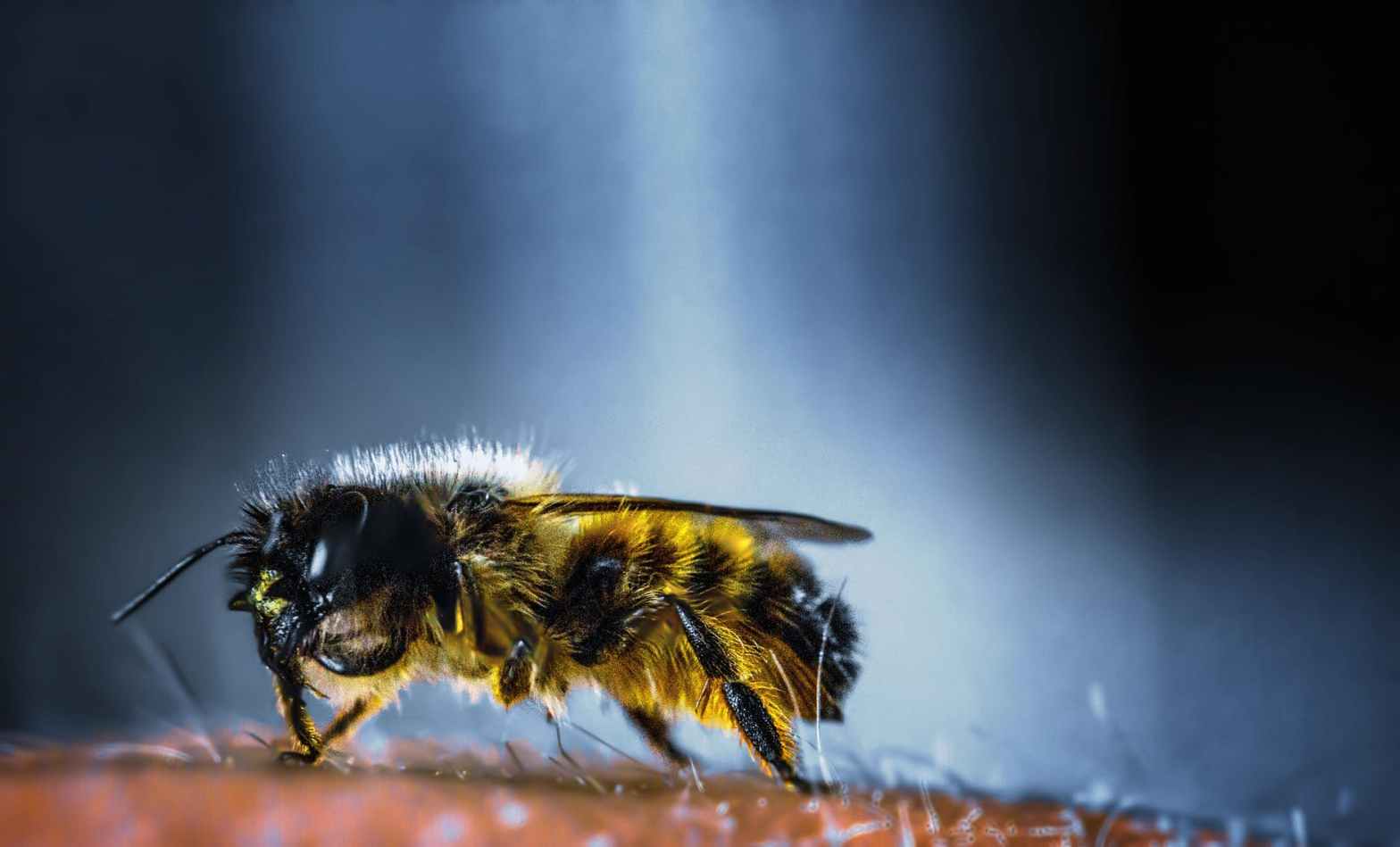
We are not the only one living in the midst of a pandemic outbreak. Between the spring of this year 2020 (April- June), data from the US department of Agriculture was released, concerning an outbreak. Not a human-related flu outbreak, but a bee pandemic.
The data emphasized that commercial honeybee colonies are in decline, more than a quarter million. Thus, our local honey bees are also in danger. ¼ of the North American population is slowly being put on the extinction list. Although many try to blame this concerning act on climate change or chemical pesticides, there is not just one factor contributing, but a combined threat submerging. Parasites, habitat loss, harmful pesticides, and competition in the food web are just a few common factors. This can be compared to a flu: Stuffy nose, dry coughs, sore throat, and a slight fever- all contributing to the horrible experience.
The mischievous virus spreader, is a matter of fact a single cell pathogen. The Nosema apis, the new worry for bees, is causing high spikes in death worldwide. Nosema has been commonly recorded in North America, Europe, Southeast, and Asia. And researches have identified that it is contributing to CCD. Or Colony Collapse disorder (When various worker bees suddenly vanish without reason).
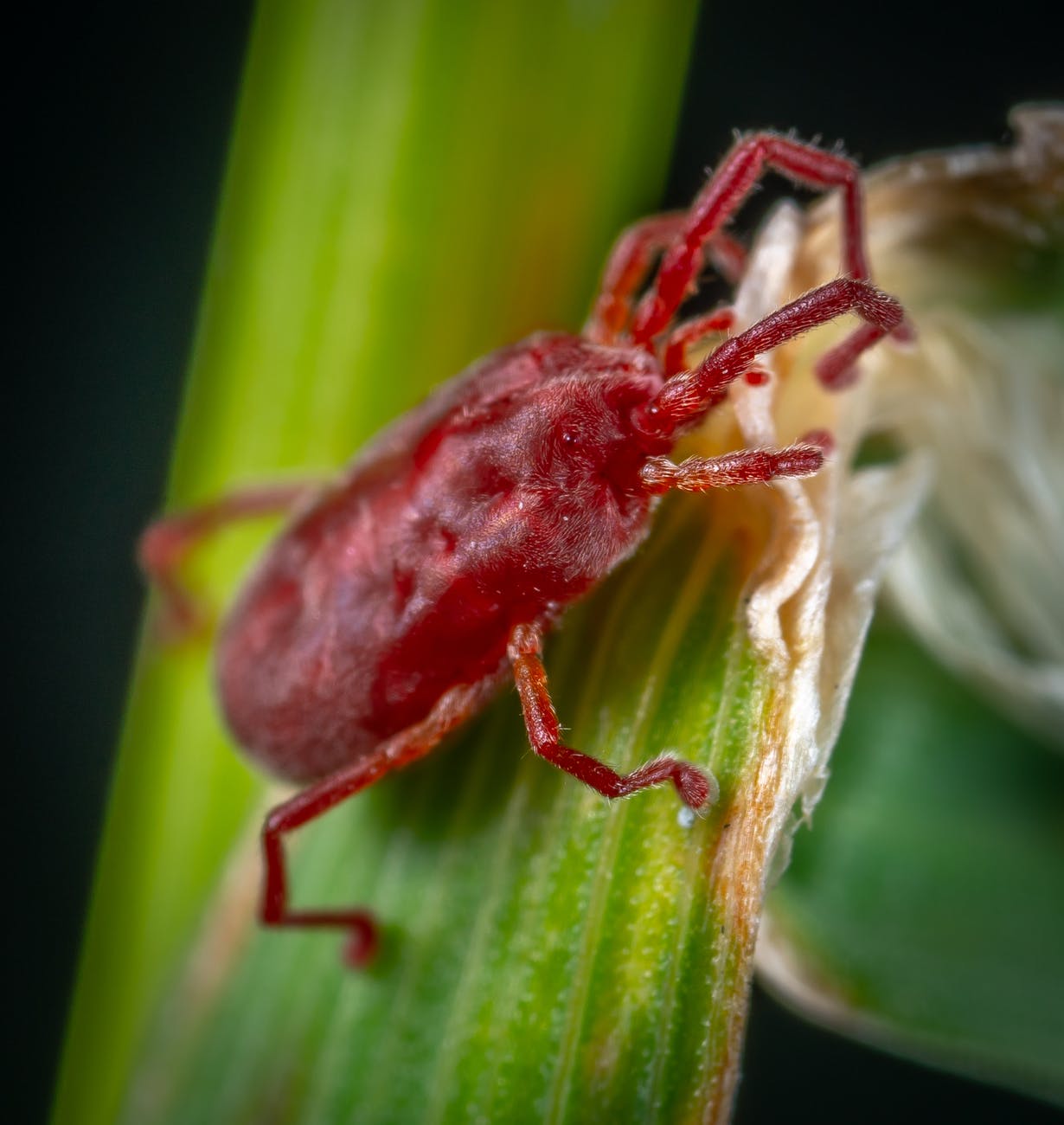
Nosema is believed to have originated from European honeybees and evolve as a pest from Asian honeybees. The varroa mite, a main factor of CCD, is another type of parasitic disease in the hive, as it feeds on the blood of larvae, pupa, and adult bees. Varroa mites jump on bees when they are foraging, and a virus carries, easily spotted in the hive. But the varroa mite is not the same as the Nosema. Nosema is a genus of microsporidian parasites, therefore you can barely see it through the naked eye.
When a honeybee is infected with the disease at a young age, the outcome is having difficulty digesting their food throughout the rest of their life. The infected will not produce royal jelly or brood food, skipping the stage in their life. Then on, at a young age, they will be forager bees. The life cycle is reduced for any infected bee, this also applies to the Queen (who will cease to lay eggs), Drones, and/or Worker Bees. When a majority of a hive becomes infected due to the wide-spreading, the performance, health, and numbers will decrease causing a collapse of a colony.
CCD holds the fate of worldwide economy, food, and resources. The disease has been recognized for roughly 20 years, spreading globally. The varroa mite, or the destructor is a supporting factor for this disease. At first, it ultimately infected Asian honeybees (Apis Cerana), but soon, it infested the Western Honeybees (Apis Mellifera). Honeybees are the most common, commercial recognized bee, moreover pollinator.

So why should we worry now?
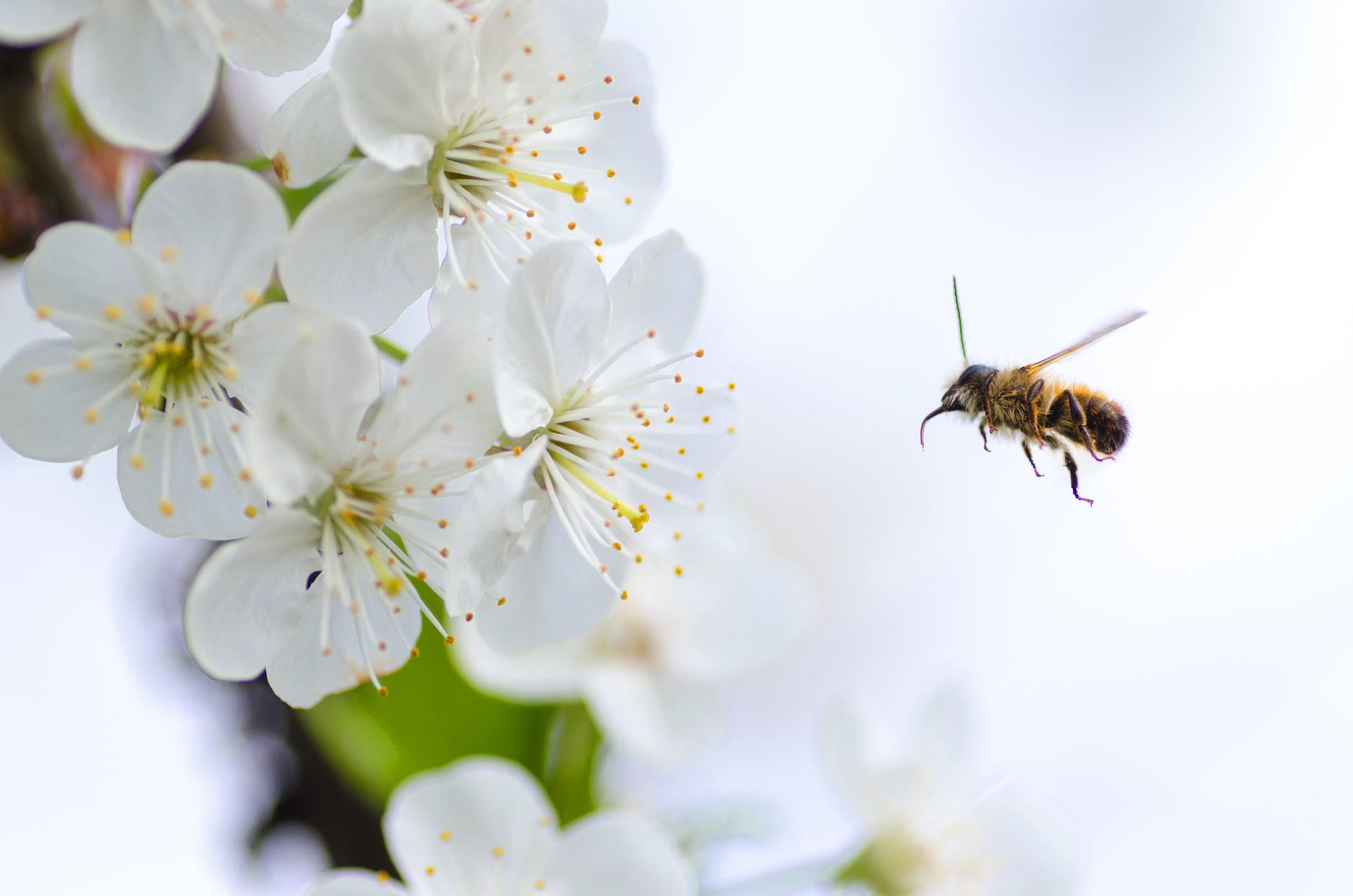
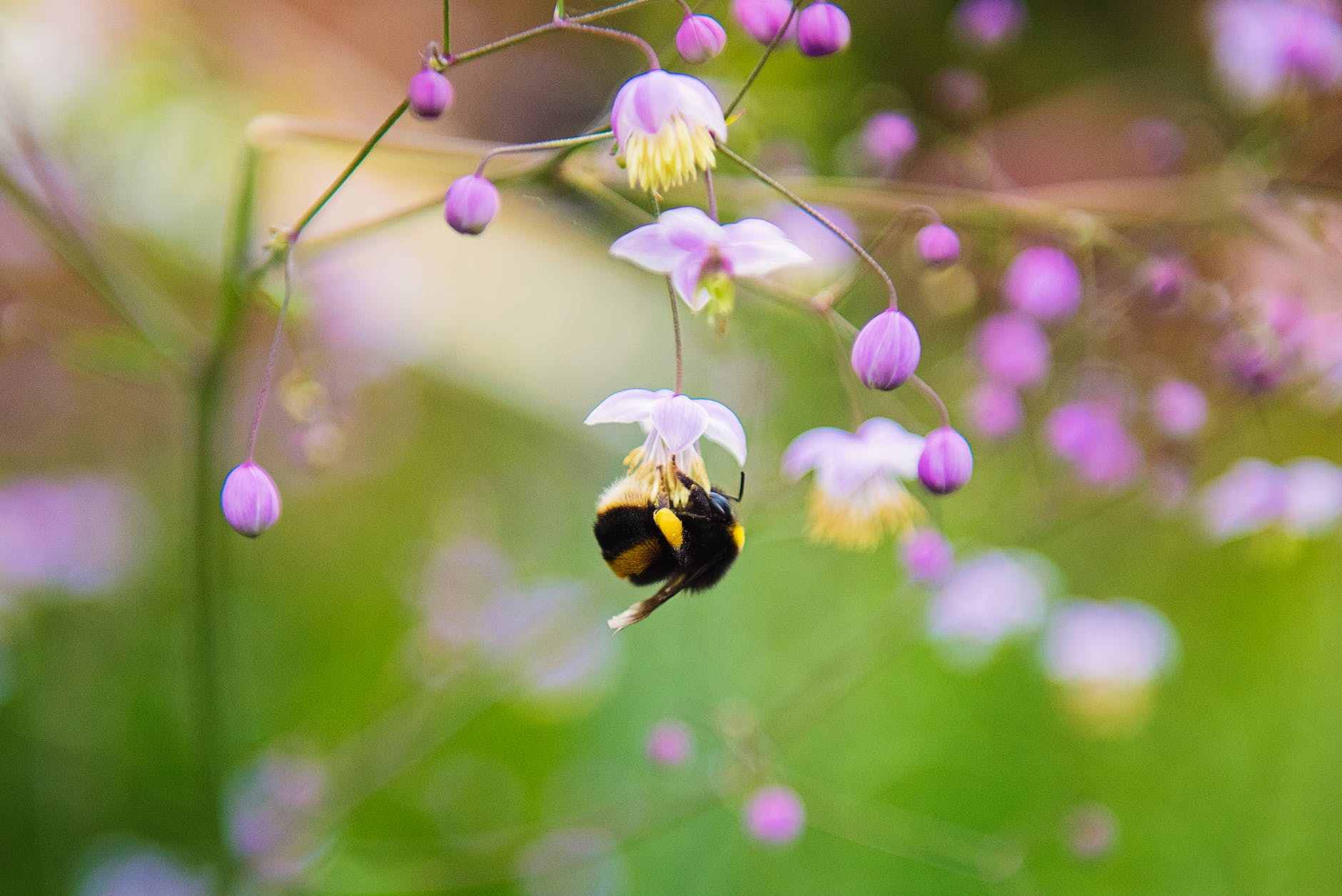
Well, the widespread is raising more than ever. When one infected bee goes to a resource, such as a flower, thousands of other bees visiting the resource will also be infected. The floral resource is now contaminated, and there is no hand sanitizer to disinfect. Pathogen spillovers can lead to extinction events of smaller populations that lack the defense against them. Research published in July has concluded that one in 11 flowers carry the contagious disease. The parasites were all linked to the bee declination, mostly targeting honey bees and bumble bees. Many rare native bees, such as Mason Bees (pollinating acres of orchards a day) will also get infected.
Soon, it could only be imagined that food supply will be limited to starches, overpriced meat, and few produce.
We can only hope that scientists and researchers will get a better understanding of Nosema, and other parasites, or find a ‘cure’ fast for these pollinators, since our fate is depends on them.
In the meantime, doing simple tasks in the garden, like planting a variety of pollinator friendly plants, DIYing your own pollinator ‘hive’, and leaving out a plate of sugar water (for tired pollinators on foraging journeys) can save your local. Or when at the grocery store, support local honey farmers by purchasing their honey. Sometimes, great impact doesn’t always root from greatness. It can come in small actions.
Learn More:
List of diseases of the honey bee – Wikipedia
A Quick Reference Guide to Honey Bee Parasites, Pests, Predators, and Diseases (psu.edu)
 Bee The Change
Amazing article. I love all information
LikeLiked by 1 person